








Summary: In recent years, dental implant treatments have rapidly evolved, offering revolutionary solutions for individuals seeking to restore their smiles and improve their oral health. This article explores the significance of advanced dental implants, emphasizing their role in enhancing patients’ overall well-being and quality of life. We will delve into four major aspects: the technological advancements that make these treatments possible, the psychological benefits of restored dental aesthetics, the impact on long-term oral health, and the accessibility of these procedures in modern dentistry. Each section will highlight how dental implants not only fix physical issues but also positively influence patients’ lives.
1. Technological Advancements in Dental Implants
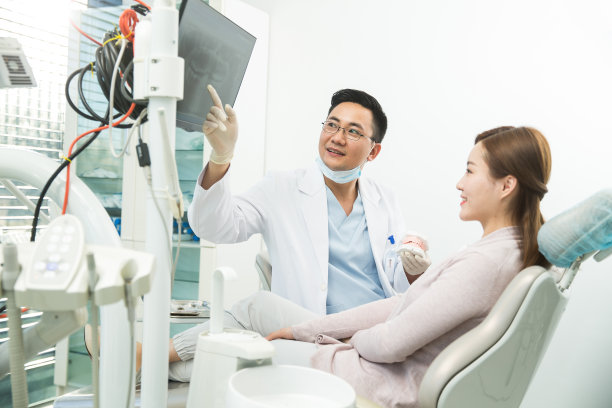
Dental implants have significantly transformed due to various technological innovations. One of the most notable advancements is the use of 3D imaging and computer-aided design (CAD). These technologies allow dentists to create precise models of a patient’s mouth, enabling them to plan the implant placement with exceptional accuracy. This meticulous approach minimizes invasiveness and reduces recovery times, making the procedure more comfortable for patients.
Additionally, the development of biocompatible materials like titanium has played a critical role in the success rates of implants. Titanium, known for its strength and ability to integrate with bone (osseointegration), ensures that implants provide lasting support for dental crowns, bridges, or dentures. This integration is essential for achieving a natural look and feel, encouraging patients to regain confidence in their smiles.
Lastly, guided implant surgery has emerged as a game-changer in the field. Utilizing advanced surgical templates, dentists can perform implant placements with unmatched precision, reducing the margin for error. This not only enhances the overall success rates but also allows for quicker recovery, empowering patients to return to their regular activities sooner.
2. Psychological Benefits of Restored Dental Aesthetics
The impact of a beautiful smile on a person’s self-esteem cannot be overstated. For many individuals who have lost teeth, the psychological burden can be profound. Advanced dental implants restore not just the physical form of teeth, but also the confidence to smile freely. As patients regain their full dental functionality, they often experience a renewed sense of self-worth.
Many studies indicate that individuals with restored teeth report lower levels of social anxiety and increased satisfaction in social interactions. The fear of embarrassment associated with missing teeth can lead to withdrawn behavior, impacting personal relationships and professional opportunities. Dental implants effectively mitigate these issues, allowing individuals to engage more fully in their lives.
Furthermore, the psychological advantages extend beyond just appearance. The ability to chew and eat comfortably contributes to improved dietary habits, positively affecting mental health. The connection between nutrition and mental well-being highlights how dental implants can enhance overall life satisfaction and happiness.
3. Impact on Long-Term Oral Health
Advanced dental implants are not just a cosmetic solution; they play an integral role in maintaining long-term oral health. Unlike traditional dentures, which can lead to bone loss in the jaw over time, dental implants stimulate the jawbone during chewing, promoting healthy bone density. This preservation of bone structure is crucial for maintaining facial features and preventing changes in one’s appearance as they age.
Moreover, dental implants are designed to be a permanent solution, eliminating the need for frequent replacements that can accompany other dental solutions like bridges or dentures. With proper care and oral hygiene, implants can last a lifetime, providing both aesthetic and functional durability.
In addition, the ease of cleaning dental implants compared to dentures reduces the risk of oral issues such as gum disease. Patients can maintain their oral hygiene routines without the added complications that dentures often bring, leading to overall better health outcomes.
4. Accessibility of Modern Dental Procedures
While advanced dental implants have provided revolutionary solutions, their accessibility is equally essential. Many modern dental practices now offer financing options and flexible payment plans, making it easier for individuals to afford high-quality dental care. This increase in accessibility ensures that more people can benefit from these transformative treatments.
Additionally, advancements in telehealth have made consultations and follow-ups more convenient than ever. Patients can now discuss their options and receive guidance from professionals without needing to travel, streamlining the entire process. As the stigma around dental health issues decreases, more individuals are seeking the help they need to restore their smiles.
Lastly, ongoing research and improvements in implant technologies continue to lower costs and enhance efficacy across demographics. This evolution signifies a commitment within the dental community to ensure that high-quality solutions are available to all patients, regardless of their socioeconomic status.
Summary:
The advancements in dental implant technology have shifted the paradigm of restorative dentistry, positively influencing oral health and individual quality of life. Through technological innovation, improved psychological well-being, enhanced long-term health benefits, and increased accessibility, individuals can reclaim their smiles and fundamentally transform their lives.
This article is compiled by Vickong Dental and the content is for reference only.
















