





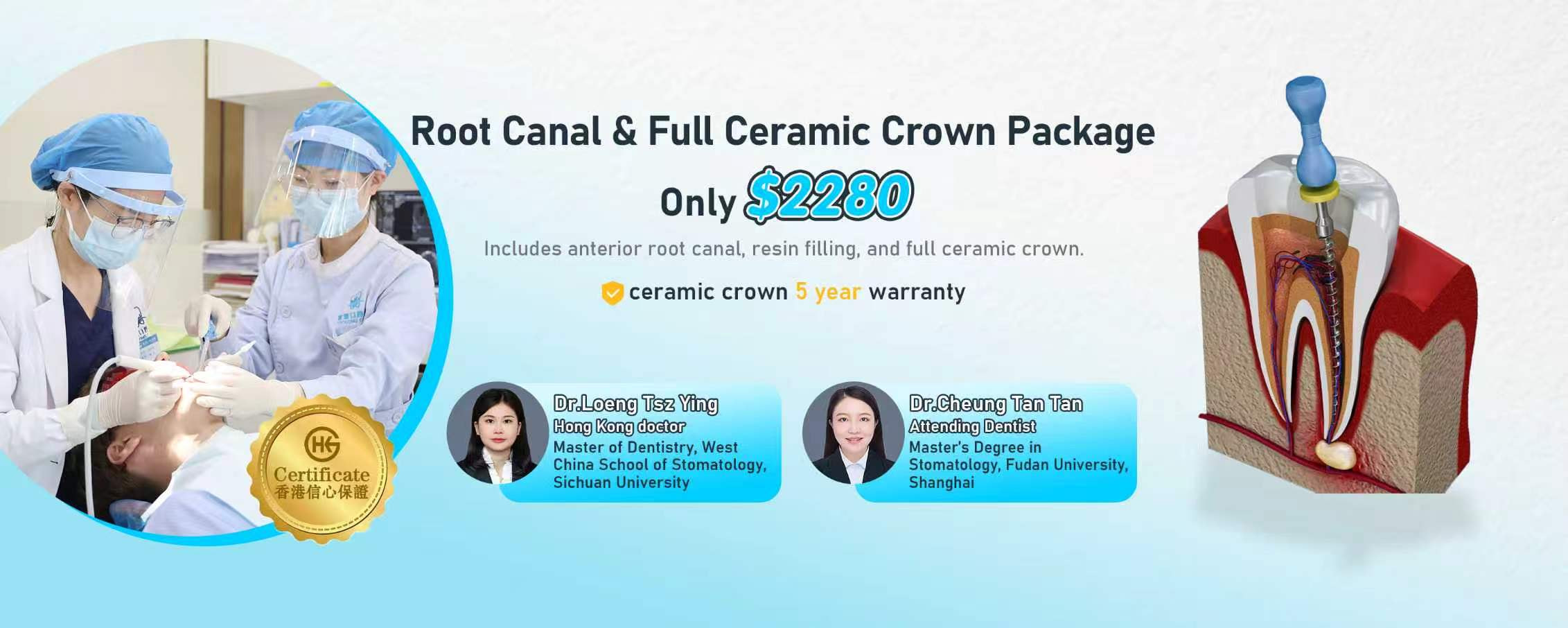


Summary: Dental implant treatments offer transformative benefits for individuals seeking to restore their smiles. This comprehensive guide explores the advantages of dental implants, outlines the treatment procedures involved, and provides essential recovery tips to ensure a smooth healing process. With a focus on achieving a perfect smile, readers will gain insights into the long-lasting impacts and considerations of dental implants, making informed decisions about their oral health and aesthetic desires.
1. Advantages of Dental Implants

Dental implants are a revolutionary solution for tooth loss, providing numerous advantages over traditional dentures and bridges. One significant benefit is their ability to restore functionality, allowing individuals to chew and speak with confidence. Unlike removable dentures, dental implants are securely anchored in the jawbone, offering stability that enhances the everyday experience of eating and communicating.
Furthermore, dental implants help maintain bone density. When a tooth is lost, the jawbone begins to deteriorate over time due to lack of stimulation. Dental implants act as artificial tooth roots, stimulating the jawbone and preventing atrophy, which is crucial for a healthy facial structure.
Another advantage is the aesthetic appeal of dental implants. They are designed to look and feel like natural teeth, ensuring that individuals can enjoy a seamless smile. This natural appearance significantly boosts self-esteem and enhances one’s overall quality of life, making dental implants a popular choice for those seeking cosmetic improvement.
2. Treatment Procedures for Dental Implants
The process of receiving dental implants generally involves several distinct stages, beginning with an initial consultation. During this appointment, a dental professional assesses the patient’s oral health through X-rays and exams to determine the proper treatment plan. This foundational step ensures that all factors, including bone density and gum health, are adequately addressed.
Once deemed suitable for the procedure, the surgical phase follows. The dentist will surgically insert a titanium post into the jawbone, which serves as the foundation for the new tooth. This part of the process may sound intimidating, but it is performed under local anesthesia, ensuring the patient’s comfort.
After the posts are placed, a healing period of several months is typically required for the bone to fuse with the implant, a process known as osseointegration. Once healed, the final step involves attaching a custom-made crown that matches the surrounding teeth, completing the dental restoration.
3. Recovery Tips Following Dental Implant Surgery
After undergoing dental implant surgery, proper recovery tips can significantly influence the healing process. First and foremost, adhering closely to post-operative instructions provided by the dentist is crucial. Patients are often advised to rest and avoid strenuous physical activities to facilitate optimal healing.
Managing pain and discomfort is another essential aspect of recovery. Dentists usually prescribe pain relief medications to help patients cope with any discomfort during the initial healing phase. Additionally, applying ice packs to the outside of the face can reduce swelling and aid in overall comfort.
Finally, maintaining oral hygiene while allowing the surgical site to heal is vital. Gentle brushing and careful rinsing with saltwater can help keep the area clean while avoiding irritation. Keeping follow-up appointments with the dentist will ensure that the healing process is monitored and any issues are promptly addressed.
4. Long-term Care for Dental Implants
The longevity of dental implants primarily depends on the care they receive after placement. Regular dental check-ups and professional cleanings are crucial for monitoring the health of the implants and surrounding gums. A consistent oral hygiene routine that includes brushing and flossing is equally important for preventing infection and ensuring the longevity of the implant.
Avoiding harmful habits such as smoking can also positively impact the success rate of dental implants. Smoking has been linked to a higher risk of implant failure and complications. By eliminating tobacco use, patients can significantly enhance their chances of long-term success.
Moreover, maintaining a balanced diet rich in nutrients can reinforce the overall health of teeth and gums. Foods high in calcium and vitamin D contribute to bone density, which is essential for supporting dental implants over time. Staying hydrated and maintaining a healthy lifestyle further supports the efficacy of dental implant treatments.
Summary: In conclusion, dental implants provide a wealth of benefits that go beyond aesthetic appeal, enhancing functionality, and promoting oral health. The treatment process, though multi-faceted, is designed to ensure successful outcomes and patient satisfaction. Embracing proper recovery and long-term care practices contributes to the durability of implants, making them a worthwhile investment for anyone seeking a perfect smile. Understanding the full spectrum of dental implant treatments empowers individuals to make informed decisions about their oral health needs.
This article is compiled by Vickong Dental and the content is for reference only.
















