





Summary: Dental implants have revolutionized the field of dentistry by offering a durable solution for tooth loss. This article delves into the myriad benefits associated with dental implants, showcasing how innovations in technology and procedures have transformed patient experiences. By examining enhancements in implant design, the use of 3D imaging, the significance of biocompatible materials, and the evolution of minimally invasive techniques, we unveil how these advancements are paving the way for brighter, healthier smiles. Understanding these elements equips potential patients with the knowledge to make informed decisions about their dental health, illustrating that a confident smile is now more achievable than ever before.
1. Advantages of Dental Implants
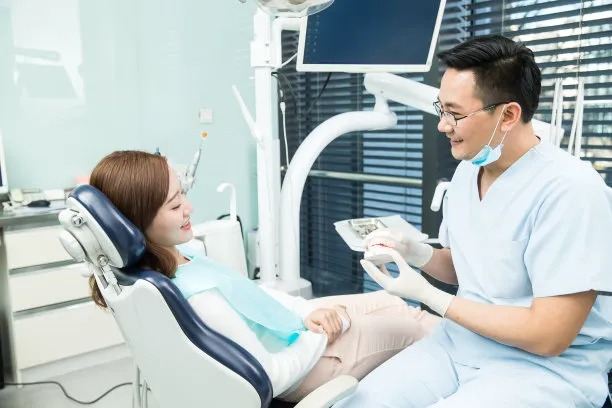
One of the primary benefits of dental implants is their unparalleled durability. Unlike traditional dentures or bridges that may require frequent replacements, dental implants are designed to last a lifetime with proper care. The implant integrates with the jawbone, providing a solid foundation that mimics the natural tooths strength. Patients can enjoy their favorite foods without concerns about their dental appliances slipping or causing discomfort.
Another significant advantage is the preservation of jawbone health. When a tooth is lost, the jawbone can start to deteriorate due to lack of stimulation. Dental implants act much like the roots of natural teeth, helping to maintain the bone structure and prevent further loss. This means that not only does the patient keep their smile, but they also maintain the integrity of their facial structure, avoiding the sunken look often associated with tooth loss.
Moreover, dental implants enhance oral hygiene. Unlike other tooth replacement options that can make cleaning more challenging, implants function like natural teeth, allowing for easy brushing and flossing. This facilitates better oral health and reduces the risk of gum disease, contributing to overall wellness.
2. Innovations in Implant Design and Technology
The landscape of dental implants has dramatically evolved with advanced technology. The introduction of tapered implants has noticeably improved the success rate by allowing for better placement in areas with limited bone density. These implants are designed to anchor more firmly into the jawbone, acting as a superior option for patients with previous tooth loss scenarios.
Using 3D imaging and scanning technologies, dental professionals can now plan implant procedures with impressive precision. This innovative approach allows for a comprehensive understanding of the patients unique anatomy, thereby enhancing the accuracy of implant placement. The result is not only a quicker recovery time but also a higher success rate.
Another exciting advancement in implant technology is the development of immediate-load implants. Traditionally, patients faced a waiting period before receiving their final restoration. Now, with immediate-load solutions, patients can have their temporary teeth placed on the same day as the surgery, reducing waiting times and allowing individuals to enjoy a full smile almost instantly.
3. The Role of Biocompatible Materials
Biocompatible materials play a pivotal role in the success of dental implants. The most commonly used material is titanium, known for its strength and ability to fuse with bone through a process called osseointegration. This integration is crucial for the longevity and stability of the implant, effectively reducing the risk of rejection.
Beyond titanium, researchers are also exploring alternative materials like zirconia, a ceramic that offers aesthetic benefits without compromising strength. Zirconia implants are incredibly popular among patients who prioritize a natural-looking appearance, providing an effective solution for those with metal allergies or sensitivities.
The innovation in coatings and surface textures of implants further enhances patient compatibility. Advanced surface treatments create a rougher texture that promotes faster bone integration. These enhancements not only improve the stability of implants but also significantly contribute to the overall success rate of dental procedures.
4. The Shift Toward Minimally Invasive Procedures
Minimally invasive techniques have transformed dental implant procedures, greatly benefiting patient experience and recovery times. Techniques such as flapless implant surgery allow for the implant to be inserted with less soft tissue disruption. This results in reduced swelling, faster healing, and less discomfort post-operation.
Additionally, many dental offices now utilize sedation dentistry for patients undergoing implant procedures. Sedation options range from nitrous oxide to IV sedation, providing a relaxed environment where patients can undergo treatments without anxiety or discomfort. This focus on patient comfort significantly enhances the overall experience.
Furthermore, advances in regenerative techniques now allow dentists to restore lost bone tissue through grafting materials or growth factors before implants are placed. This progressive approach not only enhances the likelihood of implant success but also furthers minimizes the invasiveness of the procedure.
Summary:
The exploration into the benefits and latest innovations in dental implant treatments reveals a wealth of advantages for individuals seeking to restore their smiles. Most notably, the durability, jawbone preservation, and ease of maintenance make dental implants a favorable choice over traditional alternatives. Significant innovations in technology and design—such as 3D imaging, biocompatible materials, and minimally invasive procedures—further elevate patient outcomes, making comfortable and effective dental care more accessible than ever. With the right knowledge, potential patients can confidently pursue dental implants as a path to their brighter smiles.
This article is compiled by Vickong Dental and the content is for reference only
















