








Summary: Dental implants represent a revolutionary advancement in restorative dentistry, offering a long-lasting solution for missing teeth while significantly enhancing the quality of life for individuals. In this comprehensive examination, we will delve into the multifaceted benefits that dental implant treatments provide, discuss the intricate process involved in the procedure, explore how implants improve both oral health and functionality, and lastly, highlight their positive impact on mental and emotional well-being. Understanding these aspects equips you with the knowledge to make informed decisions about your dental health.
1. Understanding the Benefits of Dental Implants
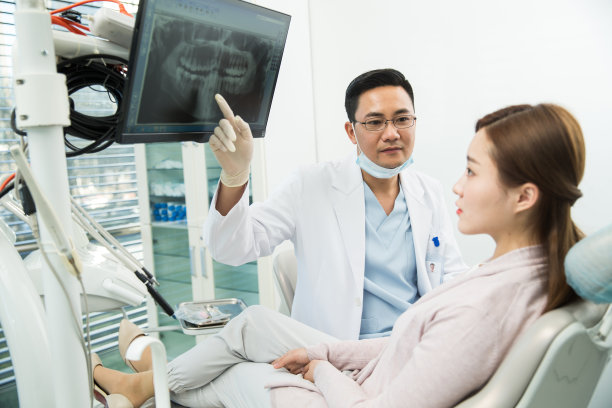
Dental implants offer numerous benefits that extend far beyond aesthetics. Firstly, they provide a permanent solution for missing teeth, making them a preferable alternative to traditional dentures or bridges. Unlike removable options, implants are rooted in the jawbone, allowing for a stable and secure fit that closely resembles natural teeth. This permanency not only enhances appearance but also boosts confidence in social interactions.
Secondly, dental implants contribute to better oral health. They help preserve jawbone mass, preventing bone loss that typically occurs after tooth loss. By maintaining the integrity of the jawbone, implants reduce the risk of facial sagging and other complications associated with tooth loss. This preservation of bone structure is crucial for maintaining the natural shape of the face.
Furthermore, dental implants facilitate improved oral functionality. Patients experience an easier chewing process and can enjoy a broader range of foods without fear of discomfort or embarrassment. Enhanced chewing efficiency contributes to better nutrition and overall health, highlighting the importance of functional restorations in restorative dentistry.
2. The Dental Implant Procedure Explained
The dental implant procedure involves several key steps, beginning with a thorough examination and treatment planning. Dental professionals will assess oral health, bone density, and establish a tailored treatment plan to ensure that the implants are placed optimally. This initial assessment is crucial as it lays the foundation for a successful procedure.
Following the assessment, the surgical phase begins, which involves the placement of the titanium implant into the jawbone. This phase is often performed under local anesthesia, ensuring the patients comfort and minimizing any potential discomfort. After placement, a healing period is necessary, allowing the implant to fuse with the bone—a process known as osseointegration. This fusion is vital to the stability and longevity of the implant.
Finally, once healing is complete, the dentist will attach a custom-made crown to the implant, resulting in a natural-looking tooth replacement. This step not only restores functionality but also enhances aesthetic appeal, marking the culmination of the dental implant process.
3. Enhancing Oral Health and Functionality
One of the most significant advantages of dental implants is their positive impact on oral health. Implants facilitate proper jaw alignment, preventing issues such as TMJ disorders that can occur with missing teeth. By providing a stable foundation for replacement teeth, they help maintain correct positioning of adjacent teeth and prevent shifts that can lead to further dental complications.
Moreover, dental implants encourage healthy habits. Individuals with implants tend to be more diligent in their oral hygiene routines, motivated by the investment made in their dental health. This commitment to maintenance ensures that both the implants and surrounding teeth remain healthy, reducing the risk of gum disease and cavities.
Functionality is another critical aspect bolstered by dental implants. Patients regain their ability to speak clearly and laugh without hesitation, which can significantly enhance social confidence. The restored functionality of implants positively influences day-to-day activities, contributing to an overall improved quality of life.
4. Mental and Emotional Well-Being
Beyond physical health, dental implants offer remarkable psychological benefits. Individuals who replace missing teeth with implants often experience a boost in self-esteem and confidence. The ability to smile freely, eat comfortably, and engage in social situations without worry can have profound effects on mental well-being.
Moreover, the improvement in oral health and functionality often leads to a more active lifestyle. With restored teeth, patients may find themselves participating in activities they previously avoided due to embarrassment over their dental appearance. This return to a more active social life can foster positive emotional health and overall satisfaction.
Lastly, the long-term reliability of dental implants contributes to peace of mind. Unlike other dental solutions that may require frequent replacements, implants are built to last, which provides reassurance and stability for many individuals. This confidence can lead to a more fulfilling and enjoyable life overall.
Summary:
In conclusion, dental implants represent a crucial advancement in modern dentistry, addressing both functional and aesthetic concerns associated with missing teeth. From improved oral health and restored functionality to enhanced mental well-being, the comprehensive benefits of dental implants are transformative. Their procedure, while intricate, lays the foundation for long-lasting solutions that greatly improve quality of life.
This article is compiled by Vickong Dental and the content is for reference only.
















