








Summary: Dental implants have revolutionized dentistry, offering a practical and aesthetic solution for missing teeth. This guide delves into the numerous benefits associated with dental implant treatments, examines the comprehensive process involved, and discusses their role in achieving a healthy and confident smile. By understanding why dental implants might be the optimal choice for tooth replacement, patients can make informed decisions. Additionally, this guide emphasizes the importance of seeking professional assistance, ensuring a fulfilling and successful experience in the journey toward oral health.
1. Benefits of Dental Implants for Oral Health
Dental implants provide a solid foundation for replacement teeth, ensuring enhanced comfort and functionality. Unlike traditional dentures that may shift in the mouth, implants are surgically placed into the jawbone, which allows for stable and permanent tooth restoration. This stability translates into improved chewing ability, making it easier for patients to enjoy their favorite foods without worry.
Moreover, dental implants play a crucial role in maintaining bone structure in the jaw. When a tooth is lost, the jawbone can deteriorate over time since it no longer receives stimulation through chewing. Dental implants integrate with the bone, preventing this loss and thereby maintaining facial structure and appearance.
Additionally, dental implants boost oral health by facilitating easier oral hygiene practices. Unlike bridges, which require special cleaning tools and techniques, implant-supported restorations allow patients to floss and brush as they would with natural teeth. This simplicity in maintaining oral hygiene can lead to better overall dental health.
2. The Process of Dental Implant Surgery
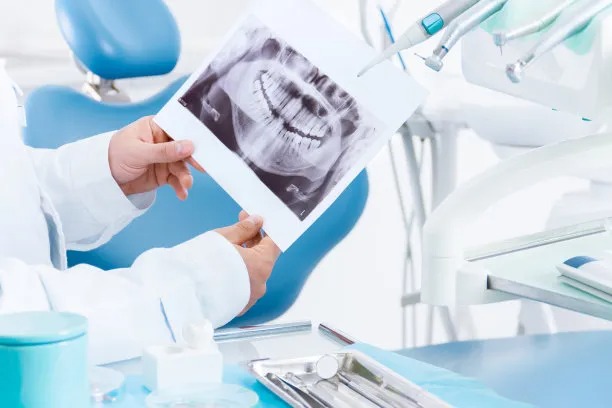
The dental implant process begins with a comprehensive examination and treatment planning. Initial evaluations typically include clinical assessments and imaging studies, such as X-rays or CT scans, to determine the state of the jawbone and ensure its suitable for implants. Following this, a personalized treatment plan is tailored to the patients needs, including timelines and expected outcomes.
After the planning phase, the implant placement surgery occurs, a procedure conducted under local anesthesia or sedation. The dentist places the implant into the jawbone, allowing it to integrate over several months. This healing process, known as osseointegration, is vital for the implants success, as it enables the implant to become a stable and functional part of the jaw.
Once healing is complete, an abutment is attached to the implant, followed by the placement of a custom-made crown that mimics the appearance of natural teeth. The entire process may take several months, but each stage is essential to ensure optimal results and longevity of the implant.
3. Cost and Longevity of Dental Implants
The cost of dental implants can vary widely based on numerous factors, including the complexity of the case, the need for bone grafts, and the materials used. While they may require a higher initial investment compared to dentures or bridges, it is important to consider their long-term value. With proper care, implants are designed to last many years—often a lifetime—making them a cost-effective solution in the long run.
Additionally, the longevity of dental implants depends heavily on the patients oral hygiene practices and regular dental visits. Maintaining a routine of brushing, flossing, and professional cleanings will not only preserve the implants but also enhance overall oral health.
Insurance coverage for dental implants can also vary. Some plans may provide partial coverage, while others may not include them at all. Patients are encouraged to explore their options and, if necessary, discuss financing plans with their dental provider to make this investment more manageable.
4. Impact on Quality of Life
Dental implants significantly enhance the quality of life for individuals suffering from tooth loss. The psychological benefits are palpable; many patients report improvements in self-esteem and confidence. With the aesthetic and functional restoration that implants provide, individuals can partake in social situations without the embarrassment of missing teeth.
Furthermore, the restoration of dental function allows for a better diet and improved health. Eating a varied and nutritious diet can play a vital role in overall well-being, which is accessible to those who have regained their ability to comfortably chew and enjoy food.
Ultimately, the positive impact of dental implants extends beyond oral health. Stronger jawbones, improved speech, and heightened self-confidence together contribute to a more fulfilling life. Patients with implants can experience a sense of normalcy and satisfaction that enhances their overall lifestyle.
Summary:
In conclusion, dental implants are a beneficial solution for those facing tooth loss, from improved oral health to enhanced quality of life. The process, while it may seem lengthy, is meticulously designed to ensure successful integration and long-term results. Investing in dental implants not only restores functionality but also dramatically boosts confidence and well-being.
This article is compiled by Vickong Dental and the content is for reference only.
















