





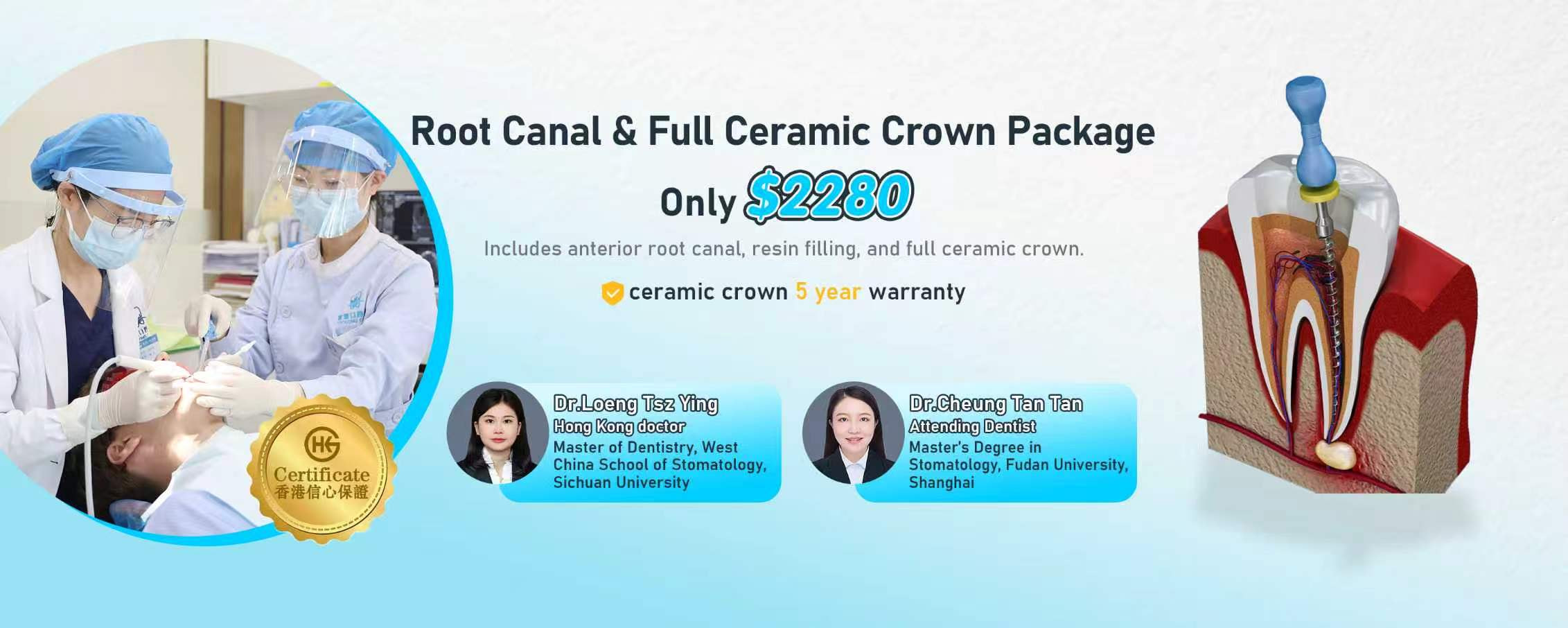


Summary: Dental implant treatments have revolutionized the field of dentistry, providing effective solutions for individuals seeking to restore their smile and maintain optimal oral health. This comprehensive guide explores the essential aspects involved in understanding and choosing dental implant treatments. From understanding how implants work and the various types available, to assessing the benefits and costs associated with them, readers will gain valuable insights. This guide serves as a crucial resource for anyone considering dental implants, aiming to enhance both functionality and aesthetics in their oral health journey.
1. Understanding How Dental Implants Work

Dental implants are artificial tooth roots, typically made of titanium, which are surgically placed into the jawbone. They act as sturdy anchors for replacement teeth or bridges. The process begins with an initial consultation where the dentist evaluates the patient’s oral health and overall medical history. After determining suitability, a tailored treatment plan is developed to align with the patients needs.
Following the placement of the implant, a healing process called osseointegration occurs, where the bone integrates with the titanium post. This process takes several months but is critical for ensuring the enduring stability of the implant. Once healed, an abutment is placed on the implant, serving as a connector between the implant and the replacement tooth.
Understanding this foundational process is essential for patients considering dental implants, as it sets realistic expectations regarding healing time, potential discomfort, and overall treatment duration.
2. Different Types of Dental Implants Available
There are several types of dental implants, each suited for different needs and conditions. The most commonly used type is the endosteal implant, which is placed directly into the jawbone. Another option is the subperiosteal implant, which is placed under the gum but above the jawbone. This choice is often recommended for patients who have minimal bone height.
In addition to traditional implants, advancements in technology have led to the development of mini implants, which are smaller and require less invasive surgery. These are typically used for patients needing stabilization for dentures or those who have a narrower jawbone.
Understanding the variety of implant options is crucial for patients as it ensures that they can work with their dentist to choose the best type based on their specific dental needs and lifestyle preferences.
3. Benefits of Dental Implants for Oral Health
One of the primary benefits of dental implants is their ability to improve oral health and function. Unlike dentures, which can slip and require adhesives, dental implants offer a permanent solution that functions like natural teeth. This stability allows patients to enjoy their favorite foods without worry, thereby enhancing their overall quality of life.
Additionally, dental implants prevent bone loss that typically occurs when teeth are missing. The titanium implant stimulates the jawbone, promoting bone health and stability in the long run. This can result in a more youthful appearance, as missing teeth can cause facial structures to sag over time.
Furthermore, dental implants can boost self-confidence and self-esteem. Patients often report feeling more comfortable smiling and engaging socially, knowing they have a permanent and aesthetically pleasing solution to tooth loss. This emotional benefit plays a significant role in the overall impact of dental implants.
4. Costs and Considerations for Dental Implants
While dental implants offer numerous advantages, it’s important to consider the costs involved. The price of implants can vary widely based on factors such as the number of teeth to be replaced, the type of implant chosen, and the expertise of the dental professional. Additionally, some patients may require preparatory procedures, like bone grafting, which can add to the overall cost.
Patients should also consider insurance coverage, as many plans offer partial coverage for dental implants. It’s advisable to consult with the dental office and insurance provider to understand financial obligations fully. Moreover, many dental practices offer financing options to help spread out costs.
Lastly, it’s essential to choose an experienced dentist who specializes in dental implants. Doing adequate research, reading reviews, and seeking recommendations can help ensure that patients receive the best care possible during their treatment journey.
Summary:
This guide has explored the fundamental aspects of dental implant treatments, emphasizing the importance of understanding the procedure, types available, and benefits associated with them. Moreover, it has highlighted the costs and considerations that need to be taken into account before embarking on this journey.
By following this guide, prospective patients can make informed decisions regarding dental implants, ensuring optimal oral health and functionality for years to come.
This article is compiled by Vickong Dental and the content is for reference only
















