





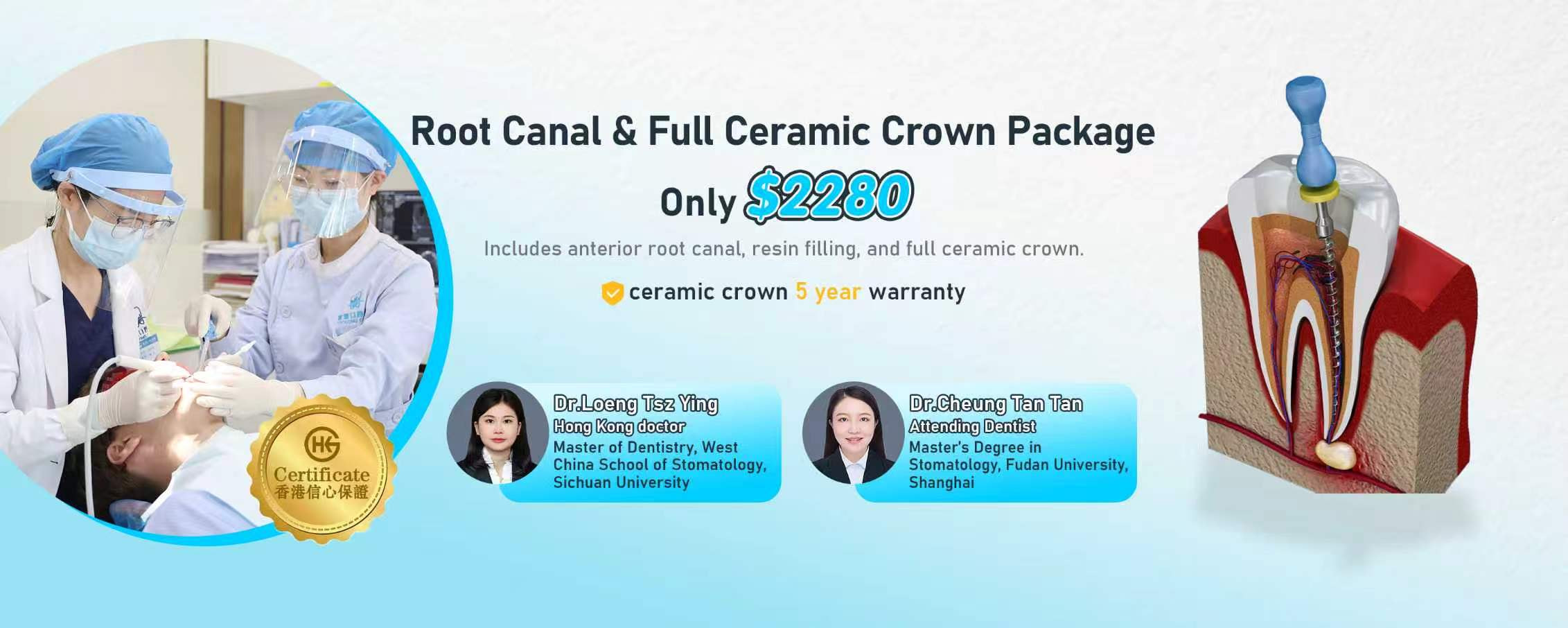


Summary: Dental implant treatment has revolutionized the way dental professionals approach missing teeth, offering a permanent and aesthetically pleasing solution. This comprehensive guide delves into the multifaceted benefits of dental implants, which not only restore functionality but also enhance the overall quality of life. We will explore the step-by-step procedures involved in the treatment, shedding light on what patients can expect during each stage. Long-term care is equally crucial; proper maintenance can significantly extend the lifespan of dental implants. By the end of this guide, readers will have a well-rounded understanding of dental implants, from the initial consultation to long-term care practices.
1. Understanding the Benefits of Dental Implants

Dental implants offer numerous benefits that make them a preferred choice for replacing missing teeth. Firstly, they restore the functionality of natural teeth. Unlike dentures, implants provide stability and allow individuals to eat, chew, and speak without discomfort. Patients do not have to worry about their teeth slipping while eating or talking, which is a common concern with removable dentures.
In addition to functional benefits, dental implants have significant aesthetic advantages. They mimic the appearance of natural teeth closely, offering a more pleasing smile. Patients often feel more confident and self-assured with implants, positively affecting their social interactions and overall mental well-being.
Another considerable advantage of dental implants is their durability and longevity. When properly cared for, implants can last a lifetime. Unlike bridges or dentures that may need to be replaced every few years, implants can become a permanent solution to tooth loss, making them a worthwhile investment in ones oral health.
2. The Step-by-Step Dental Implant Procedure
The dental implant procedure is a multi-step process designed to ensure the success of the implant. The first step typically involves a comprehensive dental examination and imaging studies. The dentist assesses the patients oral health, the condition of the jawbone, and devises a personalized treatment plan. This stage is crucial, as it lays the groundwork for successful implementation.
Once the preliminary evaluations are completed, the next phase is the placement of the implant. This involves surgically inserting a titanium post into the jawbone, which acts as the root for the new tooth. After placement, a healing period is required—usually between three to six months—during which the implant fuses with the bone in a process called osseointegration. This is a critical phase that ensures long-term stability of the implant.
Once the healing process is complete, the final step involves placing a custom-made crown on the implant. This crown is designed to match the color and shape of the surrounding teeth, providing a seamless look. After the crown is attached, the individual can begin enjoying their restored smile and enhanced functionality.
3. Long-Term Care for Dental Implants
Long-term care is vital for maintaining the health and longevity of dental implants. Patients are encouraged to practice good oral hygiene, which includes brushing at least twice a day and flossing daily. Additionally, using an antibacterial mouthwash can help reduce the risk of infection around the implant site.
Regular dental check-ups are essential for monitoring the health of the implant and surrounding tissues. Dentists will assess the condition of the implants and may perform professional cleanings to ensure plaque does not build up, which can lead to complications.
Moreover, patients should be mindful of their dietary choices. Avoiding overly hard or sticky foods can prevent unnecessary stress on the implants and minimize the likelihood of damage. Staying away from tobacco and limiting alcohol consumption can also promote a healthier oral environment, which is crucial for the longevity of dental implants.
4. Costs and Considerations for Dental Implant Treatment
While dental implants are often more expensive upfront than other tooth replacement options, their longevity can make them a cost-effective choice in the long run. Initial costs typically include the surgical procedure, the implant itself, and the custom crown. Many dental insurance plans offer partial coverage for implants, alleviating some financial burden.
Patiens should also consider the time commitment involved. The entire process can take several months, including healing and waiting periods. Hence, it’s important for patients to have realistic expectations regarding the treatment timeline. Adequate planning and consultations can help align treatment goals with patients’ personal schedules.
Lastly, patients health status can influence candidacy for implants. Those with chronic conditions or who take certain medications may need to consult their healthcare provider before proceeding. Ultimately, an informed decision made in collaboration with dental professionals leads to satisfactory outcomes for patients.
Summary:
This guide outlines the transformative benefits of dental implants while laying out the procedural steps involved in their placement and long-term care. Through patient education and comprehensive care, individuals can enjoy the life-enhancing advantages of dental implants, making a significant impact on their oral health and vitality.
This article is compiled by Vickong Dental and the content is for reference only.
















