





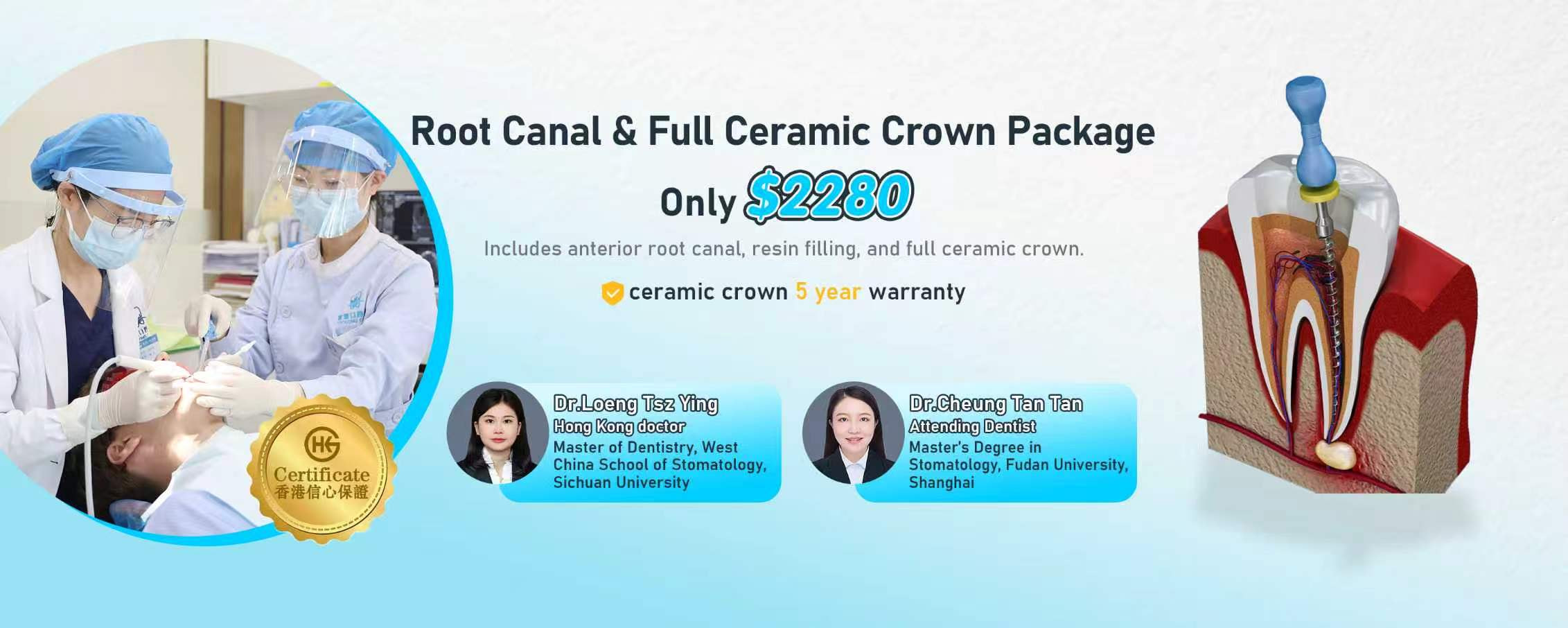


Summary: Advanced dental implant treatments have transformed the realm of dentistry, offering patients exceptional solutions for their missing teeth. This article explores four critical aspects of these innovations: enhanced aesthetics, improved functionality, long-term oral health benefits, and the role of technology in modern procedures. By examining how these advancements contribute to patient satisfaction and confidence, we illustrate their importance in contemporary dental practices. Ultimately, dental implants not only restore smiles but also significantly enhance the quality of life for individuals seeking effective and lasting oral health solutions.
1. Enhanced Aesthetics of Dental Implants

One of the most compelling reasons patients opt for dental implants is the aesthetic improvement they offer. Traditional dentures can often look unnatural and can shift out of place, causing embarrassment. In contrast, dental implants closely resemble the look and feel of natural teeth, which allows for a seamless blend with the existing dentition.
With advancements in materials, dental implants can now be crafted from high-quality materials, such as titanium and ceramic, mimicking the translucency and color of natural teeth. This attention to detail enhances the overall appearance, making implants more appealing to individuals concerned with their smile.
The successful integration of implants not only improves the physical appearance of a patients smile but also contributes to a boost in self-esteem. Patients who have undergone the procedure often report feeling more confident when smiling, leading to positive social interactions and better psychological well-being.
2. Improved Functionality with Advanced Techniques
Dental implants provide a level of functionality comparable to that of natural teeth, which is a significant advantage over traditional tooth replacement methods. Unlike dentures that may slip and slide, dental implants are anchored securely in the jawbone, allowing for normal function when eating, speaking, and laughing.
This stability means that patients can enjoy a wider variety of foods without fear of dislodging their artificial teeth. Having reliable chewing ability restores the joy of eating, which is essential for maintaining a balanced diet and overall health.
Moreover, dental implants can prevent bone loss in the jaw. When a tooth is lost, the underlying bone can begin to deteriorate. Implants stimulate the bone through osseointegration, which helps to maintain its density and ultimately preserve facial structure. This aspect adds another layer of functionality that benefits patients in the long run.
3. Long-Term Oral Health Benefits
Investing in dental implants also offers significant long-term health benefits. Beyond improving aesthetics and functionality, they play a crucial role in long-lasting oral health. Unlike bridges that require adjacent teeth to be filed down, implants replace the tooth root and do not compromise the integrity of neighboring teeth.
Another health concern is the risk of gum disease, which is a more common issue with traditional dentures. The design of dental implants allows for easier cleaning and maintenance, thereby decreasing the likelihood of plaque buildup and gum issues over time. Patients tend to have healthier gums and reduced risks of periodontal disease with proper oral hygiene.
Long-term studies indicate that dental implants can last for many years, often a lifetime, with proper care. This durability makes them a cost-effective solution for many patients, as they do not require frequent replacements like other dental appliances.
4. The Role of Technology in Implant Procedures
The evolution of dental implant treatments is significantly influenced by advancements in technology, which enhance both the precision and efficiency of procedures. The introduction of 3D imaging and computer-assisted design has transformed the mapping of dental anatomy, allowing for highly customized implant placements.
Moreover, minimally invasive surgical techniques have made the implantation process less traumatic for patients. With the help of guided surgery, dentists can now place implants with greater accuracy, leading to faster recovery times and reduced post-operative discomfort.
The use of laser technology and advanced anesthetic options further streamlines the process, allowing patients to undergo treatments with minimal pain and anxiety. This tech-driven approach not only results in improved outcomes but also enhances the overall patient experience in dental care.
Summary:
The advancements in dental implant treatments mark a revolutionary shift in how dental professionals address tooth loss. The benefits of enhanced aesthetics, improved functionality, and long-term oral health, combined with cutting-edge technology, position dental implants as a leading choice for effective tooth replacement.
Overall, these innovations provide patients not only with beautiful smiles but with a foundation for lasting oral health that can significantly enhance their lives.
This article is compiled by Vickong Dental and the content is for reference only
















