







Summary: Dental implants are a widely recognized solution for individuals suffering from tooth loss. This comprehensive guide delves into the essential aspects of dental implant treatment, examining its benefits, the associated risks, and the recovery process involved. By understanding the significance of dental implants in restoring oral health, patients can make informed decisions about their oral care. The article aims to demystify common misconceptions, provide insights into the procedures, and ultimately highlight the importance of consulting dental professionals to ensure an optimal treatment experience.
1. Understanding the Procedure of Dental Implants
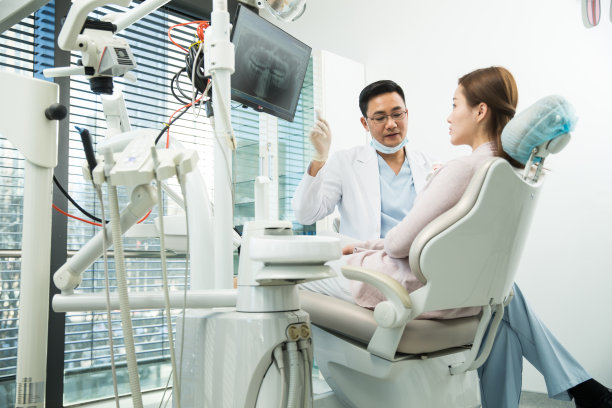
The process of getting dental implants typically involves several steps, beginning with a thorough evaluation by a dentist. This is crucial for determining the patient’s oral health status and suitability for implants. Dentists will often take X-rays and impressions of the mouth to create a tailored treatment plan that addresses the unique anatomical needs of the patient.
Once deemed suitable, the next step is the surgical placement of the dental implant. This involves inserting a titanium post into the jawbone, which serves as a root for the artificial tooth. This procedure is usually performed under local anesthesia, ensuring that patients experience minimal discomfort. The surgical site is then left to heal, allowing the jawbone to fuse with the implant in a process known as osseointegration, which is vital for a stable and durable outcome.
The final phase involves attaching a custom-made crown that matches the patient’s natural teeth. This crown is designed for both aesthetic appeal and functional efficiency. Once the crown is placed, patients can enjoy a fully restored smile, functioning similarly to natural teeth.
2. Benefits of Dental Implants for Oral Health
One of the most significant benefits of dental implants is their ability to restore oral functionality. Unlike traditional dentures or bridges, implants provide a stable and secure fit, allowing individuals to eat, speak, and smile with confidence. This reliability promotes better nutrition and enhances the overall quality of life.
Another key advantage is the preservation of jawbone health. When teeth are lost, the underlying bone can begin to deteriorate due to lack of stimulation. Dental implants help maintain bone density and prevent further bone loss, preserving natural facial contours. This preventive aspect is crucial for long-term oral health.
Additionally, dental implants can significantly improve self-esteem. The aesthetic improvements achieved through implants help individuals feel more confident in their appearance, positively impacting their social interactions and emotional well-being. Having a complete smile can lead to a more fulfilling life overall.
3. Risks Associated with Dental Implant Surgery
While dental implants have a high success rate, there are potential risks and complications that patients should be aware of. An infection at the implant site is one of the primary concerns. Maintaining excellent oral hygiene during the recovery process is vital to minimize this risk. Patients should follow their dentist’s aftercare instructions to ensure proper healing.
Another risk involves nerve damage or injury to surrounding tissues. This can lead to discomfort or altered sensation in the area. To mitigate this risk, thorough imaging and planning before surgery are essential steps in the process.
Lastly, there is also the possibility of implant failure, which can occur due to issues with osseointegration or biomechanical stress. Its critical for patients to have realistic expectations and to engage in open discussions with their dental professional regarding the likelihood of success based on individual health conditions.
4. Recovery Process After Implant Surgery
The recovery process after dental implant surgery varies depending on individual circumstances but typically involves a healing period of several months. During this time, patients should be mindful of their diet and choose soft foods to avoid putting excess pressure on the site.
Pain and swelling are common post-operative symptoms, but these can usually be managed with prescribed medications or over-the-counter pain relief options. Patients are encouraged to maintain follow-up appointments with their dentist to monitor healing progress and address any concerns that may arise.
Ultimately, successful recovery hinges on adherence to aftercare protocols. This includes regular oral hygiene practices and avoiding habits like smoking, which can jeopardize healing. By taking these precautions, patients can enhance their chances for long-lasting results and satisfactory implant performance.
Summary:
The journey through understanding dental implant treatment illuminates its multifaceted benefits, procedural intricacies, and necessary precautions. With informed guidance, patients can appreciate the life-changing potential of dental implants, ensuring a significant enhancement to both oral health and quality of life.
This article is compiled by Vickong Dental and the content is for reference only.
















