






Summary: Dental implants have revolutionized the field of restorative dentistry, providing patients with a viable solution not only for aesthetics but also for functionality. This article explores the significant advancements in dental implant treatment techniques and technologies that contribute to transforming smiles and restoring confidence. By examining innovations in implant materials, improved surgical techniques, digital planning, and patient-centered care, we underline the profound impact these developments have on patients lives. As we delve deeper, we’ll unravel how such progress not only enhances outcomes but also enriches the overall dental experience, making it more efficient and less daunting for individuals seeking dental restoration.
1. Innovations in Implant Materials
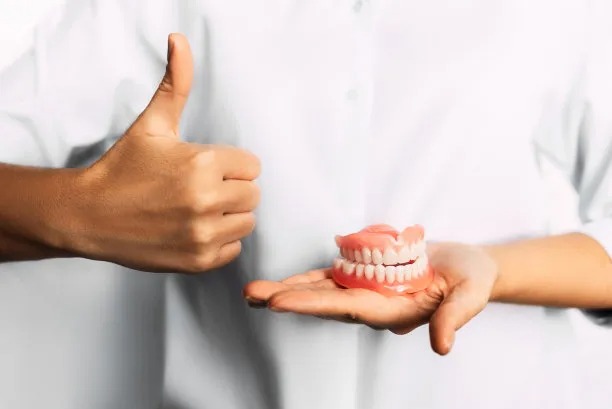
The materials used in dental implants have seen remarkable advancements over the past few decades. Traditionally, titanium was the gold standard due to its biocompatibility and strength. However, todays innovation has expanded to include zirconia implants, which are aesthetically pleasing and more compatible with the surrounding gum tissues.
These materials not only enhance the aesthetic appeal of prosthetics but also promote better osseointegration—the process through which the implant fuses with the jawbone. This increased integration reduces the chances of implant failure and supports the longevity of the restoration.
Moreover, advancements in surface technology have allowed for the creation of implants with treated surfaces that facilitate faster healing. Cells attached to these specialized surfaces can multiply more rapidly, leading to improved success rates for implants.
2. Improved Surgical Techniques
Surgical techniques for placing dental implants have greatly improved, benefiting from enhanced training and technology. The introduction of minimally invasive procedures has transformed how implant surgery is performed, reducing patient recovery times and discomfort.
An example of this is the use of guided implant surgery, which utilizes 3D imaging and precise surgical templates to ensure implants are placed in the optimal position. This not only enhances the precision of the procedure but also increases the odds of successful implant integration.
Additionally, techniques such as immediate loading allow practitioners to fit temporary crowns on the same day as the implant placement. This method not only improves patient satisfaction by providing immediate aesthetic restoration but also shortens the overall treatment timeline.
3. The Role of Digital Planning
Digital technology has profoundly changed dental implant planning and execution, introducing tools such as cone beam computed tomography (CBCT) and computer-aided design (CAD) software. CBCT allows for detailed imaging of the patients oral structures, facilitating precise planning of the implant path and placement.
Computational methods can further simulate the implantation process, enabling dental professionals to visualize and rehearse the procedure. This digital approach contributes significantly to reducing surgical errors and enhances overall patient outcomes.
Moreover, the data obtained from digital planning can be used to customize implants and surgical guides tailored to the specific anatomical features of the patient. This personalized planning minimizes invasiveness and enhances the fit of the implants, leading to quicker recovery and better results.
4. Patient-Centered Care Approaches
In recent years, there has been a notable shift towards more patient-centered care in dentistry, particularly in implantology. This approach emphasizes understanding the patients concerns, preferences, and emotional well-being, which is crucial for successful treatment.
Effective communication between the dentist and patient fosters trust and alleviates anxiety surrounding procedures. This not only improves the patients experience but also encourages informed decision-making and compliance with post-operative care.
Furthermore, utilizing advanced sedation and pain management techniques during surgery ensures that the procedure is as comfortable as possible. Patients are now more likely to approach dental implants with confidence rather than fear, knowing they will be supported through the process.
Summary:
The advancements in dental implant techniques and technologies are continuously transforming smiles and restoring individual confidence. From innovative materials and improved surgical methods to digital planning and a patient-centered approach, these developments are making dental restoration more accessible and efficient.
As we progress further into the future of dental care, it is clear that such advancements are aiding in improving overall patient satisfaction and outcomes. Effective restorative techniques not only enhance physical appearance but also play a crucial role in rebuilding self-esteem and promoting healthier lifestyles.
This article is compiled by Vickong Dental and the content is for reference only.
















