







Summary: This article delves into the transformative realm of advanced dental implant treatments, highlighting their remarkable impact on oral health and overall life quality. With the ability to restore stunning smiles and enhance functionality, these innovative solutions offer unparalleled benefits to individuals with missing teeth. We will explore four key aspects: the technological advancements in dental implants, their benefits for improved oral health, the emotional and psychological uplift they provide, and the long-term cost-effectiveness. By understanding these facets, we can appreciate how dental implants are revolutionizing the way we view oral health and personal well-being.
1. Technological Advancements in Dental Implants
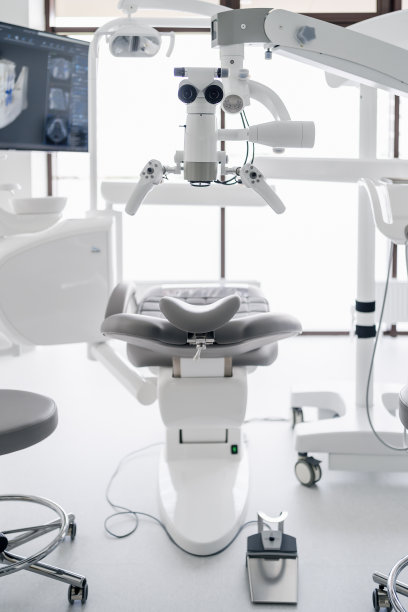
Over the past few decades, the field of dental implants has witnessed significant technological breakthroughs. Contemporary materials such as titanium and zirconium offer remarkable strength and biocompatibility, allowing implants to integrate seamlessly with natural bone. This means that patients have a reliable foundation for their artificial teeth, enhancing durability and longevity.
The introduction of 3D imaging and computer-aided design (CAD) has revolutionized the planning process for dental implant procedures. Surgeons now use precise, individualized models of patients mouths to ensure optimal placement and alignment of implants. This technological sophistication results in shorter surgery times, reduced discomfort, and faster recovery periods, which greatly benefit patients.
Moreover, techniques such as guided implant surgery enable dentists to place implants with exceptional accuracy, minimizing invasiveness and maximizing aesthetic outcomes. By continuously innovating and refining these technologies, dental professionals are making treatments more accessible and efficient, appealing to a broader range of patients.
2. Enhanced Oral Health Benefits
Dental implants play a crucial role in maintaining oral health by preventing bone loss in the jaw. When a tooth is lost, the lack of stimulation from a root leads to deterioration of the jawbone over time. Dental implants serve as artificial roots, promoting bone regeneration and preserving facial structure, which contributes to oral health as well as overall appearance.
Another essential benefit lies in the prevention of shifting teeth. Missing teeth can cause adjacent teeth to tilt or move out of alignment, leading to bite problems and further dental complications. Implants not only fill these gaps but also provide support for surrounding teeth, thus maintaining proper dental alignment and function.
Furthermore, dental implants improve oral hygiene. Unlike removable dentures, which may trap food particles and bacteria, implants can be cared for just like natural teeth. Regular brushing, flossing, and dental check-ups become easier, encouraging improved oral health habits among patients.
3. Emotional and Psychological Well-Being
The decision to undergo dental implant treatment can significantly enhance a persons emotional and psychological well-being. A confident smile has the power to transform ones self-image, allowing individuals to engage more freely in social situations without fear of judgment or embarrassment.
Many patients report a boost in self-esteem following their implant procedures. Renewed functionality enables them to eat a variety of foods they previously avoided, enhancing both their social interactions and overall quality of life. This renewed sense of freedom is invaluable, as it fosters a more active and fulfilling lifestyle.
Moreover, the psychological benefits extend beyond individual feelings of confidence. The ability to smile openly and without restraint affects interpersonal relationships positively, often leading to stronger bonds and improved professional opportunities. As patients reclaim their natural smiles through implants, they are also reclaiming a part of their life that may have been hindered by dental issues.
4. Long-Term Cost-Effectiveness of Implants
While the initial investment in dental implants may appear significant, they prove to be more cost-effective than alternative tooth replacement options in the long run. Traditional dentures or bridges may require frequent repairs and replacements or even adjustments, leading to cumulative costs that surpass that of implants.
Dental implants are designed for durability and, when cared for properly, can last a lifetime. This longevity takes the financial burden off individuals over time, as they do not need to worry about the recurring costs associated with maintaining alternative solutions. As a result, many patients find that implants are not only a sound health decision but also a wise financial investment.
Additionally, the reduction in oral health issues linked to missing teeth, such as gum disease or jawbone loss, leads to decreased healthcare expenses. By preventing further complications, dental implants support a more comprehensive approach to both dental and overall health.
Summary: In conclusion, advanced dental implant treatments are revolutionizing smiles, promoting lasting oral health, and enhancing personal quality of life. Their technological advancements, health benefits, emotional boosts, and long-term cost-effectiveness highlight the significant role they play in modern dentistry. Embracing these innovations ensures that individuals can lead healthier, happier lives enriched by the confidence of a beautiful smile.
This article is compiled by Vickong Dental and the content is for reference only
















