





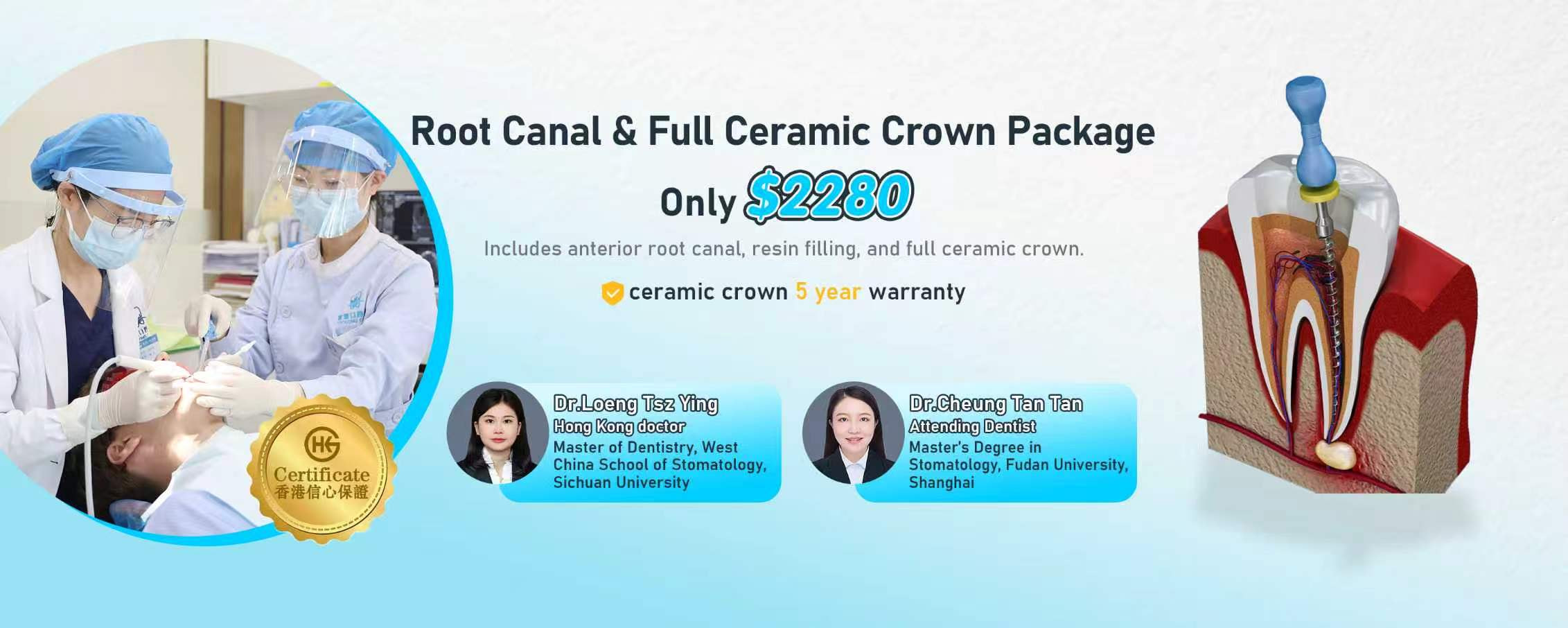


Summary: Dental implant treatment offers an effective solution for those suffering from missing teeth, significantly enhancing both functionality and aesthetics. This comprehensive guide dives into the various aspects of dental implants, including their advantages, procedural details, aftercare, and how to choose the right dentist. Through a well-rounded exploration of these elements, readers will gain valuable insight into the transformative effects dental implants can bring to a persons smile, as well as practical tips for ensuring a successful outcome. The journey to a renewed smile begins with understanding these crucial components of dental implant treatment.
1. Understanding Dental Implants and Their Benefits

Dental implants serve as artificial tooth roots, providing the foundation for fixed or removable replacement teeth. They are surgically inserted into the jawbone, where they fuse over time, mimicking the functionality of natural teeth. One of the standout benefits of dental implants is their durability. Unlike bridges or dentures, implants can last a lifetime with proper care, making them a worthwhile investment.
Another significant advantage is improved oral health. Unlike traditional options that may require altering adjacent teeth, dental implants do not compromise surrounding structures. They help preserve jawbone integrity, preventing further bone loss that often occurs with missing teeth. This feature is crucial for maintaining a natural facial structure.
Moreover, dental implants significantly enhance quality of life. They restore the ability to chew comfortably and speak clearly, eliminating the discomfort associated with loose or ill-fitting dentures. Patients often report boosted self-esteem and confidence in social situations, highlighting how impactful a healthy smile can be.
2. The Dental Implant Procedure Explained
The dental implant procedure typically consists of several phases, starting with an initial consultation. During this visit, the dentist evaluates the patient’s oral health, reviews medical history, and discusses the best treatment options. Imaging techniques such as X-rays or CT scans may be utilized to assess bone density and structure, ensuring that implants can be successfully placed.
The next phase involves the actual surgical placement of the implant. This procedure is performed under local anesthesia, ensuring the patient’s comfort. The dentist will place the titanium post into the jawbone, which will act as a root for the replacement tooth. Following this, a healing period of several months is required for osseointegration, where the implant fuses with the bone.
Once the implant has integrated adequately, the final phase begins, which involves attaching a custom-made crown to the implant. This crown is designed to match the color, shape, and size of the surrounding teeth, ensuring a natural appearance. Finally, regular follow-ups are necessary to monitor oral health and the condition of the implant.
3. Post-Operative Care and Maintenance
Caring for dental implants is crucial for their longevity and overall success. After the procedure, patients will receive specific guidelines on how to manage their oral hygiene effectively. It is essential to maintain rigorous oral care, including brushing twice a day and flossing regularly to keep the surrounding gums and implants healthy.
Additionally, patients should schedule routine dental check-ups. These visits allow the dentist to assess the implants condition and ensure there are no signs of complications, such as infection or bone loss. Regular professional cleanings are equally important in preventing plaque buildup that can lead to gum disease.
Dietary considerations also play a vital role in post-operative care. Patients are advised to avoid hard or chewy foods immediately following surgery, gradually reintroducing them as healing progresses. Staying hydrated and consuming a balanced diet will promote healing and support the longevity of the implants.
4. Selecting the Right Dentist for Implants
Choosing the right dentist for dental implants is critical to a successful treatment experience. It is advisable to seek a dental professional with extensive experience and specialized training in implantology. Potential patients should ask about the dentists qualifications, including any certifications related to implant procedures.
Patients should also consider the technology and techniques used in the practice. A clinic equipped with advanced tools such as digital imaging and 3D planning software can enhance the accuracy of implant placement, increasing the likelihood of success.
Lastly, patient reviews and testimonials can provide insight into the dentist’s reputation and the quality of care offered. Engaging in consultations with potential dentists allows patients to gauge their comfort levels and communication style, ensuring they make an informed decision about who will perform their treatment.
Summary:
Dental implant treatment is a transformative option for individuals dealing with the challenges of missing teeth. Throughout this guide, weve explored the numerous benefits of implants, the procedural steps involved, post-operative care, and how to select the right dental professional for the best outcomes. By understanding these aspects, potential patients can confidently embark on their journey toward a revitalized smile.
This article is compiled by Vickong Dental and the content is for reference only.
















