







Summary: Dental implant treatment has revolutionized the field of dentistry by providing an effective solution for restoring lost teeth. This article delves into the multifaceted benefits of dental implants, focusing on their ability to enhance aesthetic appearance, improve oral health, provide durability and stability, and incorporate the latest technological innovations. Each section will explore how dental implants not only restore smiles but also improve the overall well-being of patients, leading to a boost in self-confidence and quality of life. As we unravel the profound impacts of dental implants, we aim to highlight their significance in modern dentistry and the transformative potential they hold for individuals seeking to regain their smile.
1. Enhancing Aesthetic Appearance with Implants
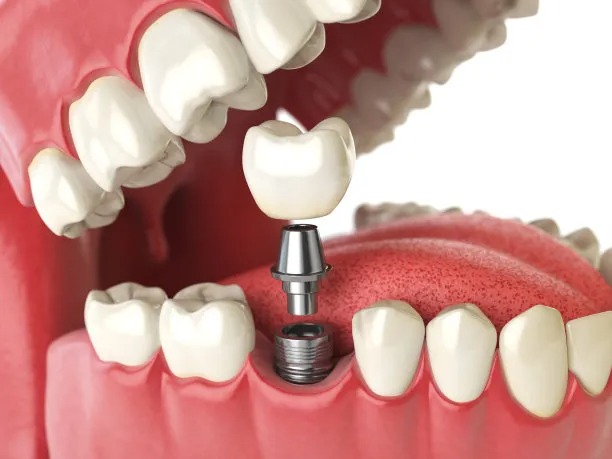
The primary benefit of dental implants is their ability to restore the aesthetic aspects of a patient’s smile. Unlike traditional dentures or bridges, which may appear artificial, dental implants are designed to look and feel like natural teeth. The ability to customize the color, shape, and size of the implants ensures that they blend seamlessly with existing teeth, resulting in a more natural appearance.
Furthermore, the psychological impact of restored aesthetics cannot be understated. Many patients experience a significant boost in self-esteem after receiving implants, as they can smile, eat, and speak with confidence. This aesthetic enhancement fosters better social interactions, leading to improved mental well-being.
Moreover, dental implants can prevent the facial sagging that often occurs due to missing teeth. By preserving the structure of the jawbone and stimulating its growth, implants help maintain a youthful appearance, making them an ideal choice for those concerned about the long-term effects of tooth loss on their looks.
2. Improving Overall Oral Health
In addition to aesthetic benefits, dental implants play a crucial role in improving overall oral health. Unlike bridges that require the alteration of adjacent teeth, implants do not negatively impact neighboring teeth. This preservation of surrounding dental structures is vital in maintaining a healthy mouth.
Furthermore, dental implants help prevent bone loss in the jaw, which is a common consequence of losing teeth. The titanium post of the implant acts as a tooth root, stimulating the bone beneath it. This stimulation not only supports the jawbone but also ensures the integrity of facial structure and function.
Regular oral hygiene practices are simpler with dental implants compared to traditional dentures. Patients can brush and floss their implants like natural teeth, making it easier to maintain optimal oral hygiene and reduce the risk of gum disease and oral infections.
3. Durability and Stability of Dental Implants
One of the standout features of dental implants is their durability and stability. Made from robust materials such as titanium, implants are designed to last for many years, often a lifetime with proper care. This longevity is a significant advantage over other tooth replacement options, which may need replacement or adjustment over time.
The stability provided by dental implants is particularly beneficial during eating and speaking. Unlike dentures, which can slip or become loose, implants are securely anchored into the jawbone, allowing patients to enjoy their favorite foods without fear of discomfort or embarrassment.
Additionally, the ease of maintenance associated with implants contributes to their appealing nature. Patients can avoid the complexities of adhesive applications or frequent adjustments, making implants a hassle-free tooth replacement solution.
4. Innovations in Dental Implant Technology
The field of dental implants has not remained stagnant; rather, it has experienced several innovations that enhance treatment efficacy and patient experience. For instance, 3D imaging technology has transformed the planning and placement of implants, ensuring precise alignment and placement tailored to individual anatomical needs.
Another significant innovation is the development of mini implants, which provide alternatives for patients with limited bone structure. These mini implants require less invasive procedures and can often be placed with minimal discomfort, expanding access to dental implant treatments for a broader range of individuals.
Moreover, advancements in implant materials and surface technology have improved the integration of dental implants with jawbone. This osseointegration process ensures a solid foundation for the implants, thereby enhancing their longevity and effectiveness. As these technologies continue to evolve, they promise even greater outcomes in the future for those opting for dental implants.
Summary:
Dental implants represent a monumental advancement in dental care, offering numerous benefits that enhance both appearance and health. From their ability to improve aesthetics by providing a natural-looking smile to their role in maintaining oral health and jaw integrity, implants have proven to be an invaluable solution for tooth loss. Innovations in dental technology further ensure that these procedures remain effective and accessible, answering the diverse needs of patients seeking restoration.
This article is compiled by Vickong Dental and the content is for reference only.
















