





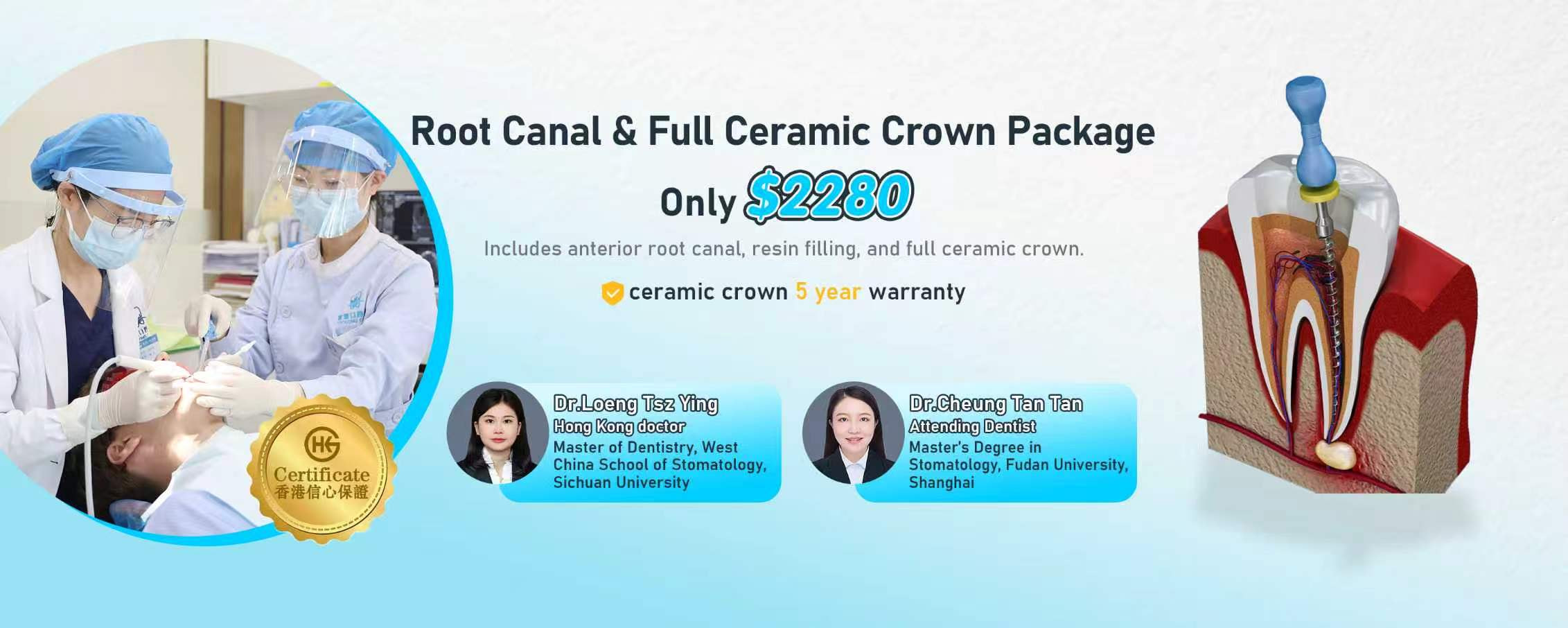


Summary: Dental implant treatment has emerged as an essential solution for restoring missing teeth and enhancing oral health. This article delves into the myriad benefits of dental implants, including their aesthetic appeal, improved functionality, and long-term health advantages. Furthermore, we will explore the comprehensive process involved in dental implant treatment, addressing the necessary steps from initial consultation to post-operative care, along with potential risks and aftercare tips. By understanding the benefits and detailed process, individuals can make informed decisions regarding their oral health and overall well-being.
1. Aesthetic Appeal of Dental Implants

One of the most significant advantages of dental implants is their ability to restore the natural appearance of a persons smile. Unlike dentures, which may shift and appear artificial, dental implants are designed to look and feel just like natural teeth. This aesthetic similarity is due to the tooth-colored crowns that are placed on top of the implants, providing a seamless integration with the surrounding teeth.
Moreover, dental implants can help maintain facial structure by preventing bone loss in the jaw. Missing teeth can lead to sunken cheeks and an aged appearance, which can adversely affect self-esteem. By replacing missing teeth with implants, patients can enjoy a youthful, vibrant smile.
Additionally, the enhancement of aesthetics through dental implants contributes to a persons overall confidence. Whether at work or social events, individuals with restored smiles tend to feel more comfortable and self-assured when interacting with others.
2. Functional Advantages of Dental Implants
Beyond aesthetics, dental implants play a vital role in restoring proper dental function. They provide a strong foundation for replacement teeth, allowing individuals to chew, bite, and speak naturally without the discomfort associated with dentures. The stability of dental implants ensures that activities such as eating tough foods become effortless, enhancing overall quality of life.
Furthermore, dental implants can facilitate improved oral hygiene practices. Unlike bridges, which require special cleaning techniques, implants can be maintained just like natural teeth. This ease of care encourages individuals to take better care of their oral health, reducing the likelihood of gum disease and other dental issues.
Moreover, dental implants help distribute the forces of chewing evenly across the jawbone. This distribution mitigates the risk of damage to surrounding teeth and ensures that the occlusion (bite) remains balanced, an essential aspect for overall dental health.
3. Long-Term Oral Health Benefits
Dental implants offer significant long-term benefits for oral health. They are designed to be a permanent solution for missing teeth, potentially lasting a lifetime with proper care. This lasting nature means patients will not need to worry about frequent replacements or adjustments, which can be common with other forms of tooth restoration.
Additionally, implants stimulate natural bone growth by integrating with the jawbone through a process called osseointegration. This integration helps maintain the integrity of the bone structure, preventing the bone loss that typically occurs after tooth loss, thereby preserving overall oral health.
Furthermore, dental implants can enhance the likelihood of maintaining surrounding natural teeth. By filling the gaps left by missing teeth, implants prevent adjacent teeth from shifting out of alignment, reducing the risk of additional dental complications and ensuring a healthier mouth overall.
4. The Process of Dental Implant Treatment
The process of dental implant treatment is detailed and involves several key stages. Initially, the journey begins with a comprehensive dental evaluation, where the dentist examines the patients oral health and bone density to determine candidacy for implants.
Once approved, the next step involves the surgical placement of the implant itself, which is anchored into the jawbone. Post-surgery, a healing period is essential to allow the implant to fuse securely with the bone. This period may range from several weeks to a few months, depending on the individual.
Finally, after the healing has completed, an abutment is attached to the implant, followed by the placement of the custom-made crown. Post-operative care is crucial, and patients are advised on maintaining their oral hygiene and attending follow-up appointments to monitor the implants success and longevity.
Summary:
In conclusion, the benefits and process of dental implant treatments are significant in restoring missing teeth and enhancing oral health. From aesthetic improvements and functional advantages to long-term health benefits, dental implants provide comprehensive solutions for those struggling with tooth loss. Understanding the thorough and detailed process allows individuals to make informed decisions that positively impact their overall well-being.
This article is compiled by Vickong Dental and the content is for reference only.
















