





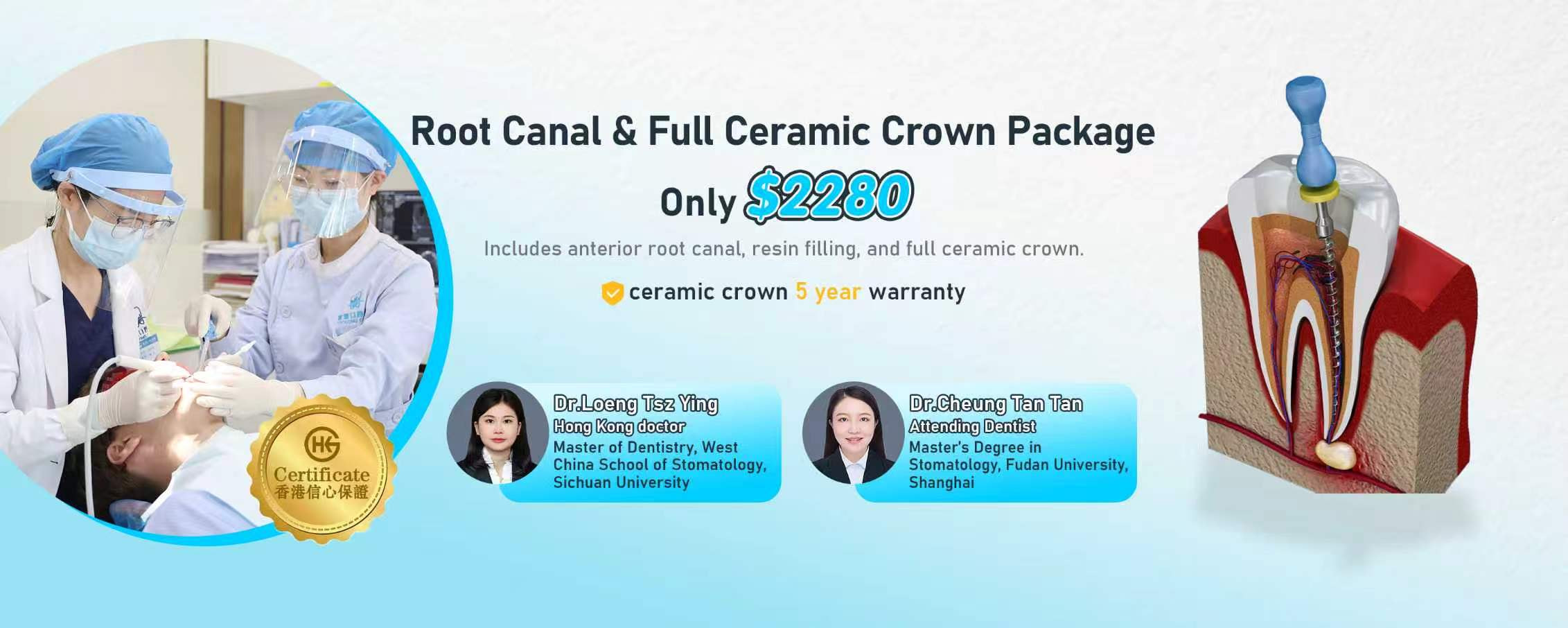


Summary: Dental implant treatment has revolutionized the field of restorative dentistry, offering patients a permanent solution for missing teeth. This comprehensive guide aims to illuminate the benefits of dental implants, detailing the procedure and recovery process while underscoring the importance of maintaining a healthy smile. With insights into patient experiences and expert advice, readers will gain a thorough understanding of how dental implants can enhance quality of life, improve aesthetics, and provide long-lasting functionality. From candid discussions about the procedure to practical tips for recovery, this article serves as an essential resource for anyone considering dental implants as a viable option for tooth restoration.
1. Benefits of Dental Implant Treatment

One of the primary reasons individuals opt for dental implants is the permanent solution they offer for missing teeth. Unlike dentures or bridges, dental implants fuse with the jawbone, creating a strong foundation that mimics natural teeth. This integration supports daily activities such as eating and speaking, providing a level of stability that is hard to achieve with removable options.
Moreover, dental implants help in preserving the jawbone. When a tooth is lost, the jawbone can deteriorate over time due to lack of stimulation. Implants prevent bone loss by redistributing the pressure applied during chewing, ultimately helping maintain facial structure and preventing a sunken appearance.
Furthermore, dental implants contribute to better oral health. They do not compromise the integrity of neighboring teeth since they stand alone rather than relying on adjacent teeth for support. This independence makes it easier to maintain oral hygiene, reducing the risk of cavities and gum disease in the surrounding areas.
2. Overview of the Dental Implant Procedure
The dental implant procedure begins with a detailed consultation, where the dentist assesses the patients oral health and discusses their specific needs and expectations. Imaging studies such as X-rays or CT scans may be performed to create a comprehensive treatment plan tailored to the individuals anatomy.
Once the planning phase is complete, the next step involves the actual implantation of the titanium post into the jawbone, which serves as the root for the new tooth. During this stage, local anesthesia is typically administered to ensure the patient remains comfortable.
After the post is secured in place, a healing period follows, allowing the bone to integrate with the implant. This phase can take anywhere from a few weeks to several months, depending on individual healing rates. During this time, temporary restorations may be provided if necessary to ensure aesthetic appeal and functionality.
3. Post-Procedure Recovery Essentials
Recovery following dental implant surgery is crucial for the success of the treatment. While most patients experience only mild discomfort, it is beneficial to adhere to aftercare instructions provided by the dentist. These typically include avoiding hard or crunchy foods for a few days and managing swelling with ice packs.
Maintaining oral hygiene during the recovery phase is also critical. Patients are advised to brush gently around the implant area and to keep the rest of their mouth clean to prevent infection. This can be a bit challenging initially, but following a dentist-recommended oral care routine will facilitate healing.
Regular follow-ups with the dentist are essential to monitor the healing process. During these visits, the dentist will check for appropriate integration and may take additional imaging to ensure everything is progressing as planned. Being proactive in attending these appointments can lead to successful recovery outcomes.
4. Long-term Impact on Oral Health
The long-term impact of dental implants on oral health is significant. Many patients report improved confidence and quality of life due to the aesthetic and functional benefits of implants. A natural-looking smile enhances social interactions and promotes self-esteem, allowing individuals to engage freely without the worry of uncomfortable dental appliances.
Additionally, the durability and resilience of dental implants mean they can last for many years when properly cared for. Unlike traditional bridges that require replacement every 10 to 15 years, dental implants can be seen as a one-time investment, simplifying the long-term dental care regimen.
Moreover, by maintaining dental implants with routine dental care, patients can minimize the risk of further tooth loss. This preventive measure contributes to overall oral health and presents a more holistic approach to dental well-being, making dental implants a comprehensive solution for missing teeth.
Summary:
In conclusion, dental implants stand out as a transformative solution for individuals dealing with tooth loss, offering a range of benefits such as improved functionality, aesthetic appeal, and long-term oral health. Understanding the procedure and recovery process can empower patients to make informed decisions about their dental care. This knowledge equips them to embark on their journey toward a healthier, more confident smile.
This article is compiled by Vickong Dental and the content is for reference only.
















