




Summary: Dental implant treatment has seen significant advancements with the implementation of innovative solutions, enhancing the overall experience for both patients and dental professionals. This article explores four key aspects of these innovative solutions and their impact on dental implant treatment.
1. Advanced Technology Integration
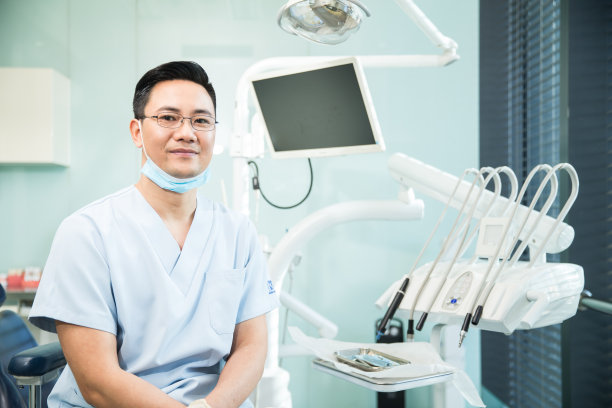
Integrating cutting-edge technology such as 3D imaging and computer-aided design (CAD) has revolutionized the planning and placement of dental implants. These advancements allow for precise measurements, virtual simulations, and improved customization, leading to more accurate and efficient procedures.
The use of intraoral scanners and digital impressions streamlines the process, eliminating the need for messy traditional impressions and reducing patient discomfort. Additionally, virtual reality tools offer a visual representation of the final outcome, enhancing patient communication and satisfaction.
Furthermore, robotic-assisted surgery has emerged as a game-changer in dental implant placement, providing high precision and reduced human error. These technological innovations ensure better treatment outcomes and patient experiences.
2. Biomaterial Development
Ongoing research in biomaterials has paved the way for the development of biocompatible materials that enhance osseointegration and promote long-term implant success. Innovations such as nano-coatings and bioactive materials stimulate bone growth and reduce the risk of implant failure.
The use of advanced materials like zirconia and titanium alloys offers improved strength, durability, and aesthetics, making them ideal for dental implant restorations. These advancements in biomaterials contribute to the longevity and stability of dental implants, ensuring better patient comfort and function.
Moreover, bioresorbable scaffolds and growth factors have shown promising results in tissue regeneration around implants, further improving the overall treatment outcomes and patient satisfaction.
3. Minimally Invasive Techniques
The adoption of minimally invasive techniques has transformed the surgical approach to dental implant placement, reducing trauma, post-operative pain, and recovery time. Techniques such as flapless surgery and guided implant placement enable precise implant positioning and preservation of surrounding tissues.
Computer-guided navigation systems provide real-time feedback during surgery, ensuring optimal placement accuracy and enhancing predictability. The use of lasers for soft tissue modification and sterilization minimizes discomfort and accelerates healing, improving the overall treatment experience for patients.
These minimally invasive approaches not only enhance patient comfort and satisfaction but also contribute to the long-term success and stability of dental implants.
4. Personalized Treatment Planning
The shift towards personalized treatment planning considers each patients unique anatomical and functional needs, leading to customized implant solutions. Advanced diagnostic techniques, such as cone beam computed tomography (CBCT) and virtual implant planning software, enable comprehensive assessment and individualized treatment plans.
Virtual surgical simulations allow for preoperative visualization of the implant placement, ensuring precise execution and optimal esthetic outcomes. Tailored prosthetic designs and digital workflow integration streamline the restoration process, resulting in efficient and patient-specific implant restorations.
By prioritizing personalized treatment approaches, dental professionals can achieve optimal functional and esthetic results while meeting the diverse needs and expectations of their patients.
Summary: Innovative solutions in dental implant treatment have revolutionized the field, offering enhanced precision, efficiency, and patient satisfaction. From advanced technology integration to personalized treatment planning, these advancements continue to shape the future of implant dentistry, providing better outcomes for both patients and practitioners.
This article is compiled by Vickong Dental and the content is for reference only.
















