



Summary: Dental implants represent a groundbreaking solution for individuals facing tooth loss, providing not only aesthetic benefits but also significant functional improvements. This comprehensive guide delves into the various advantages of dental implant treatment, including enhanced oral health, improved quality of life, and high success rates. By examining the procedures involved, potential risks, and post-treatment care, readers will gain a thorough understanding of why dental implants are revolutionizing smiles. We will also discuss case studies demonstrating the success of dental implants, ultimately reinforcing their value in dental care.
1. The Advantages of Dental Implants Explained
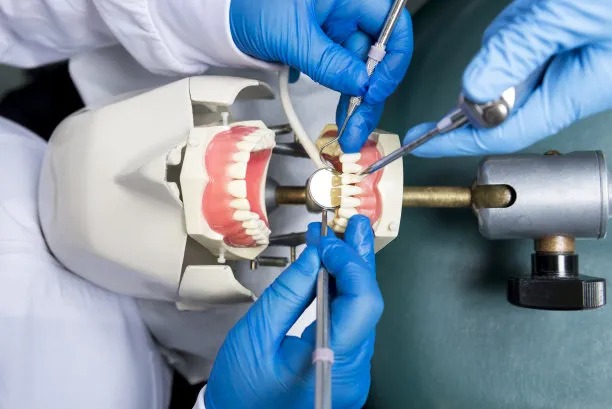
Dental implants serve as a long-lasting solution for replacing missing teeth, boasting several advantages over traditional dentures and bridges. Primarily, they offer superior stability and comfort. Unlike dentures that may shift or cause discomfort, implants are securely anchored in the jawbone, allowing patients to eat, speak, and smile without hesitation. This stability is crucial for preserving confidence in social interactions.
Another significant benefit is the preservation of jawbone health. When a tooth is lost, the jawbone can deteriorate over time due to a lack of stimulation. Dental implants stimulate the jawbone much like natural teeth, thereby preventing bone loss and maintaining facial structure. This aspect contributes greatly to preventing the sunken appearance often associated with missing teeth.
Moreover, dental implants facilitate better oral hygiene. Unlike bridges that require altering surrounding teeth, implants can be cared for just like natural teeth, making oral maintenance easier. Patients can brush and floss with ease, significantly reducing the risk of cavities and gum disease.
2. Understanding the Dental Implant Procedure
The dental implant procedure involves several steps, beginning with a comprehensive consultation and evaluation. In this initial appointment, the dentist examines the patients oral health and employs imaging technology to plan the implant placement accurately. This personalized approach ensures a successful outcome while addressing any specific concerns that the patient may have.
Following the planning stage, the actual implantation process occurs in phases. The first phase involves the surgical placement of the titanium post into the jawbone, acting as the root of the tooth. Following this procedure, patients typically spend several months allowing the post to integrate with the bone, promoting stability and strength. This healing stage is vital for the success of the implant.
Finally, once osseointegration is complete, the last step involves placing a custom-made crown atop the implant. This prosthetic tooth is designed to match the appearance and function of natural teeth, thereby restoring the patients ability to chew and speak without issue. The entire process, while lengthy, is meticulously designed to ensure optimal results.
3. Evaluating Success Rates of Dental Implants
Success rates for dental implants are impressively high, typically ranging from 90% to 95% depending on various factors such as location, bone health, and patient lifestyle. Research indicates that implants appear to have nearly the same longevity as natural teeth, making them an attractive option for those seeking a lasting solution for tooth loss.
Several predictive factors contribute to the success of dental implants. Patients who maintain good oral hygiene and avoid tobacco use tend to have higher success rates. Additionally, pre-existing health conditions like diabetes or osteoporosis can affect healing, so managing these conditions is crucial for individuals considering implants.
Moreover, advancements in dental technologies continue to improve success rates. Innovations such as 3D imaging and guided implant surgery provide enhanced precision during placement, further increasing the likelihood of successful outcomes. As techniques evolve, success rates are expected to rise, reinforcing dental implants as a reliable solution for tooth restoration.
4. Post-Treatment Care and Considerations
Post-treatment care is vital in ensuring the longevity and success of dental implants. Immediately following the procedure, patients should adhere to their dentist’s guidelines regarding diet and activity to promote healing. Soft foods are usually recommended initially, along with regular follow-up appointments to monitor the healing process.
Long-term care also entails routine dental check-ups and excellent oral hygiene practices. Patients should brush and floss daily, using products recommended by their dentist to keep the implant area clean and free from plaque buildup. Regular professional cleanings are also crucial in maintaining oral health.
Additionally, it’s important for patients to remain aware of the signs of complications, such as swelling or pain, and to contact their dentist promptly should any issues arise. Early intervention is key to addressing potential problems, safeguarding the investment made in their smile.
Summary:
In conclusion, dental implants have transformed the landscape of restorative dentistry, offering countless benefits that enhance both appearance and functionality. Patients can expect a life-changing experience through a comprehensive treatment approach that prioritizes both health and aesthetic outcomes. With high success rates and ongoing advancements in dental technology, dental implants are indeed revolutionizing smiles, making them a perfect choice for anyone seeking dental restoration.
This article is compiled by Vickong Dental and the content is for reference only.
















