



Summary: Dental implants have emerged as a transformative solution for those seeking to restore their smiles and oral health. This comprehensive guide delves into the numerous benefits of dental implant treatments, outlines the step-by-step process involved, and discusses the recovery journey to achieve a radiant smile. From aesthetic improvements to enhanced functionality, dental implants offer long-term advantages that significantly affect patients quality of life. Understanding the treatment process and what to expect during recovery is vital for prospective patients. This guide aims to provide insight and clarity, ensuring individuals feel informed and confident as they embark on their journey towards a healthier, more beautiful smile.
1. Benefits of Dental Implant Treatments
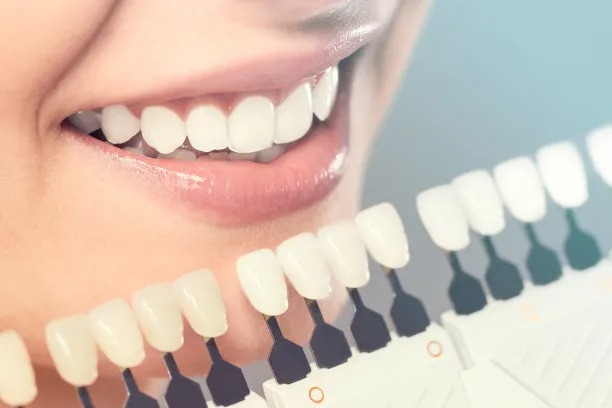
Dental implants offer a plethora of benefits that significantly enhance both oral health and overall well-being. Firstly, they provide a permanent solution to missing teeth, preventing further dental complications such as bone loss and shifting of adjacent teeth. Unlike dentures, implants are anchored firmly in the jaw, providing a stable foundation for artificial teeth that look and feel like natural ones.
Another significant advantage is the improvement in speech and functionality. Patients no longer need to worry about slipping dentures or awkward sounds while speaking. Dental implants restore normal chewing capabilities, allowing for a broader diet and better nutrition, which is essential for maintaining overall health.
Aesthetically, dental implants restore confidence. With artificial teeth that resemble natural ones, individuals can enjoy social interactions without embarrassment, improving self-esteem and fostering a more positive outlook on life. The perfect aesthetics of dental implants pave the way to achieving a radiant smile.
2. Overview of the Dental Implant Process
The dental implant process begins with a comprehensive consultation, during which the dentist evaluates the patient’s oral health and creates a tailored treatment plan. This initial step is crucial for understanding the specific needs of the patient and developing a strategy for successful implantation.
Following the assessment, the next stage is surgical placement. The dentist places the titanium implant into the jawbone, acting as a root for the artificial tooth. This procedure may vary in duration based on the individual case but typically requires local anesthesia or sedation for patient comfort.
After the implant is placed, a healing period follows, allowing the implant to fuse with the jawbone in a process known as osseointegration. This phase can last several months. Once adequately healed, the dentist continues with the placement of the abutment and final restoration, completing the dental implant process. This multi-step approach ensures a durable and aesthetically pleasing solution unmatched by conventional dental restorations.
3. Recovery After Dental Implant Surgery
Recovery from dental implant surgery can vary depending on the individual, but there are common experiences shared among patients. Post-operative instructions typically include rest and the use of prescribed medications to manage discomfort. Ice packs can also be applied to reduce swelling during the initial days.
During the recovery phase, a soft diet is often recommended to minimize the strain on the surgical sites. Foods like yogurt, smoothies, and mashed potatoes can be excellent choices while the implants heal. Patients should avoid hard or crunchy foods that could disrupt the healing process.
It’s crucial for patients to attend follow-up appointments with their dentist to monitor the healing process. Regular check-ups allow for timely interventions if any issues arise, helping patients remain on track for a successful recovery and ultimately enjoying their new smile.
4. Long-term Care for Dental Implants
Long-term care of dental implants is essential for ensuring their longevity and functionality. Good oral hygiene practices, including regular brushing and flossing, are paramount. Patients should treat their implants as they would natural teeth to prevent gum disease and other complications.
Regular dental check-ups and professional cleanings are also important aspects of long-term care. These appointments allow dentists to assess the condition of both the implants and the surrounding gums, ensuring any issues are addressed promptly.
Finally, lifestyle choices can significantly impact the durability of dental implants. Avoiding smoking and excessive alcohol consumption can promote better oral health and prolong the life of dental implants. By following these guidelines, patients can enjoy the benefits of their dental implants for many years to come.
In summary, dental implants offer a unique combination of aesthetic and functional benefits that can significantly improve one’s quality of life. Understanding the entire process—from initial benefits evaluation to surgical placement and recovery—equips prospective patients with the necessary knowledge to make informed decisions regarding their dental health. Long-term care emphasizes the importance of maintenance for lasting results. Ultimately, dental implants not only aim to restore smiles but also instill confidence and well-being in those who choose this transformative procedure.
This article is compiled by Vickong Dental and the content is for reference only.
















