



Summary: Dental implants have transformed dental care, offering solutions for patients of all ages. This comprehensive guide delves into the intricacies of dental implant treatments, the technologies behind them, their benefits, and their impact on restoring smiles. It further explores the procedures involved, the array of implant types available, and personalized care approaches that create a unique experience for each patient. By understanding this extensive process, patients can regain confidence and enjoy a restored quality of life. Ultimately, the guide serves as both an educational resource and a motivational tool for those considering this life-changing dental solution.
1. Understanding Dental Implant Procedures
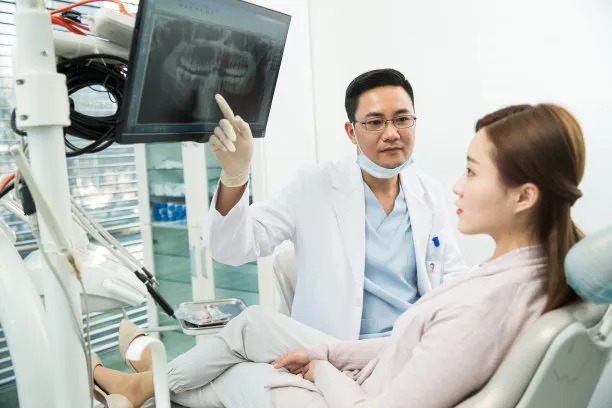
Dental implant procedures have gained popularity as a reliable solution for those missing teeth. The process generally begins with a thorough evaluation, where dental professionals assess the patients oral health and bone density. Proper planning is crucial as it lays the foundation for a successful implant treatment.
After the initial evaluation, the next step often involves the surgical placement of the implants. Titanium posts are inserted into the jawbone, acting as sturdy roots for artificial teeth. This phase may vary in complexity based on individual cases, including the need for bone grafting in patients with insufficient bone mass.
Following the placement, a healing period ensues, allowing the implants to integrate with the jawbone, a process known as osseointegration. This period is vital, as it ensures the long-term stability and functionality of the dental implants. Once healed, the final restoration phase involves placing crowns that match the patients natural teeth, resulting in a beautiful new smile.
2. Advantages of Dental Implants
The benefits of dental implants extend far beyond aesthetics. One significant advantage is their ability to preserve jawbone health. When teeth are lost, the underlying bone can deteriorate over time, leading to facial changes. Dental implants stimulate the jawbone, similar to natural teeth, thus preventing bone loss.
Moreover, dental implants provide superior functionality compared to traditional dentures or bridges. They offer enhanced chewing ability and improve speech, allowing patients to enjoy their favorite foods without worry. This improved quality of life is a significant factor in the growing preference for implants among patients.
Furthermore, implants offer remarkable longevity with minimal maintenance. With proper care, including regular dental check-ups and good oral hygiene, they can last a lifetime. This long-term investment, over time, can also be cost-effective, especially compared to other prosthetic options that may require frequent replacements.
3. Types of Dental Implants Available
Several types of dental implants cater to different patient needs and preferences. Endosteal implants are the most commonly used and involve placing the implant directly into the jawbone. They come in various shapes, allowing for personalization based on the patient’s dental structure.
Subperiosteal implants, on the other hand, are placed beneath the gum but above the jawbone. This type is particularly beneficial for patients with less jawbone density who may not qualify for endosteal implants. Each implant type aims to solve specific challenges regarding tooth loss.
Additionally, there are zygomatic implants, a more complex option utilized for severe bone loss cases. These implants anchor into the zygomatic bone (cheekbone) instead of the maxilla or mandible. Such innovations in implant technology demonstrate the adaptability of dental solutions to diverse patient conditions.
4. Personalized Care and Support
Personalized care is a cornerstone of dental implant treatments. Specialists work closely with patients to consider their medical history, lifestyle, and preferences during the treatment planning process. This tailored approach ensures that each patient receives the attention and solutions unique to their situation.
Moreover, post-treatment care is crucial for the success of dental implants. Follow-up appointments allow dental professionals to monitor healing and address any concerns that may arise. Such ongoing support helps strengthen the patient-dentist relationship, fostering trust and collaboration.
Lastly, the emotional support provided during the journey can significantly impact the patient’s confidence and expectations. Professionals strive to educate and motivate patients throughout the process, making them active participants in their dental care and reinforcing their confidence in their new smiles.
Summary:
In summary, the comprehensive guide to dental implant treatments illuminates a crucial aspect of modern dentistry that transforms lives. Patients not only achieve enhanced aesthetics through beautifully restored smiles but also experience functional benefits that contribute to their overall well-being. Emphasizing personalized care, the guide encourages individuals across all age groups to consider dental implants as a path to renewed confidence and improved quality of life.
This article is compiled by Vickong Dental and the content is for reference only.
















