



Summary: Dental implants have emerged as a transformative solution in modern dentistry, offering numerous benefits that significantly enhance long-term oral health and overall quality of life. This article delves into the multiple advantages of dental implant treatments, including their role in promoting oral health, improving aesthetic appearance, boosting self-esteem, and increasing functional capabilities. By understanding these benefits, individuals can make informed decisions about their dental care. Ultimately, dental implants are not just a means to replace missing teeth; they serve as a pathway to a healthier, more fulfilling life.
1. Promoting Long-Term Oral Health
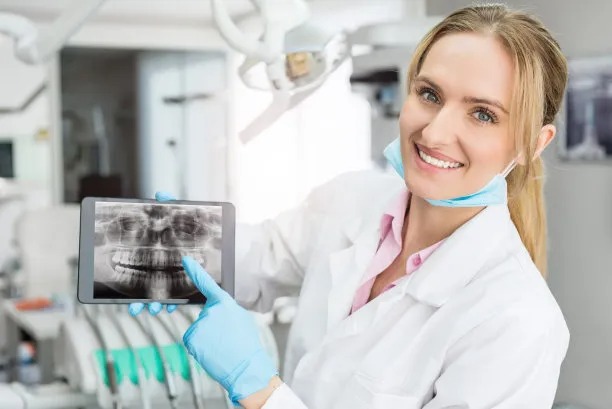
Dental implants play a crucial role in maintaining long-term oral health. One primary benefit is that they help preserve natural bone structure. When teeth are lost, the underlying jawbone can deteriorate due to lack of stimulation. Dental implants provide that necessary stimulation, preventing further bone loss and maintaining facial structure.
Moreover, dental implants are designed to be integrated into the jawbone, creating a stable foundation for artificial teeth. This integration allows for better transmission of bite force which can help protect surrounding teeth and maintain their health. A healthy jawbone also contributes to the longevity of any remaining natural teeth.
Additionally, dental implants reduce the risk of gum disease. Unlike traditional dentures, which can trap food particles, implants are easier to clean. Improved hygiene leads to healthier gums and a reduced risk of infections, which are pivotal for maintaining overall oral health.
2. Enhancing Aesthetic Appearance
One of the most immediately visible benefits of dental implants is the enhancement of a person’s aesthetic appearance. Implants are designed to look, feel, and function like natural teeth, leading to a more authentic smile. Patients often experience a boost in self-confidence due to this aesthetic improvement.
Furthermore, dental implants can effectively fill gaps left by missing teeth, which can be detrimental to one’s facial structure. When teeth are lost, the surrounding soft tissues can sag, causing changes in face shape. Implants provide support to these structures, maintaining a youthful appearance and facial symmetry.
Finally, the versatility of dental implants means that they can be customized to match the color, shape, and size of existing teeth, making them nearly indistinguishable from natural dentition. Such personalization enhances individual confidence, encouraging people to smile freely and engage socially without the concern of unsightly gaps.
3. Boosting Self-Esteem and Confidence
The psychological benefits of dental implants extend beyond aesthetics. The restoration of a complete smile significantly boosts self-esteem and self-worth. Many individuals who have experienced tooth loss struggle with feelings of embarrassment and social anxiety, which can be alleviated through dental implants.
Successful treatment results in a functional and appealing smile, allowing individuals to engage in social situations without the fear of judgment. Enhanced self-esteem can lead to improved overall mental health, fostering more opportunities in both personal and professional aspects of life.
Additionally, the feeling of security that comes from knowing dental implants won’t slip or cause discomfort, as might occur with removable dentures, contributes to a higher quality of life. This security empowers individuals to interact confidently, laugh heartily, and engage in activities that they may have avoided previously due to embarrassment about their dental health.
4. Improving Functional Capabilities
Functional capabilities are significantly improved with the use of dental implants. Unlike dentures, which may slip or cause discomfort when eating, implants provide a stable solution that allows individuals to enjoy a wider variety of foods. This stability enables users to bite and chew effectively, which is essential for nutritional health.
A key benefit of this functionality is the reduced dietary restrictions that often accompany tooth loss. Improved chewing ability facilitates better food choices, potentially leading to enhanced overall health. Nutritious diets contribute to better immune function and reduced risks of chronic illnesses.
Moreover, dental implants can improve speech clarity. Missing teeth can often lead to slurred speech or difficulty pronouncing certain sounds. With implants in place, individuals can speak more clearly and confidently, eliminating concerns about verbal communication.
Summary:
In conclusion, dental implants are a revolutionary solution that not only addresses the issue of missing teeth but also promotes long-term oral health and enhances overall quality of life. From maintaining bone structure and oral hygiene to boosting self-esteem and facilitating improved functionality, the benefits are far-reaching.
As such, individuals considering dental implants should recognize the significant positive impact this treatment can have on their lives. Making an informed decision about dental care can lead to a healthier, more satisfying future.
This article is compiled by Vickong Dental and the content is for reference only
















