



Summary: Dental implants represent a revolutionary advancement in restorative dentistry, offering a lasting solution for individuals experiencing tooth loss. This article delves into the multifaceted benefits of dental implants, highlighting their role in restoring both function and aesthetics, improving oral health, and enhancing overall quality of life. By exploring the surgical procedure, the advantages over traditional dentures, and the importance of post-operative care, readers will gain a comprehensive understanding of how dental implants can transform smiles and foster a healthier, more confident existence.
1. Understanding Dental Implants and Their Benefits
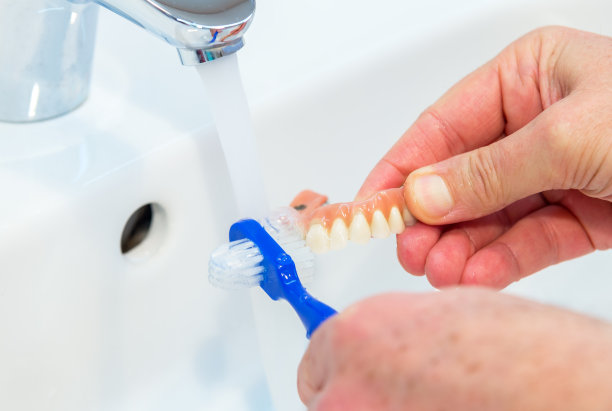
Dental implants are artificial tooth roots made of biocompatible materials, usually titanium, that are surgically implanted into the jawbone. This innovative solution provides a sturdy foundation for replacement teeth, often referred to as crowns. The primary benefit of dental implants is their ability to closely mimic the structure and function of natural teeth, which enables patients to chew, speak, and smile with confidence.
One of the key advantages of dental implants is their durability. Unlike traditional dentures, which can slip and require periodic replacement, implants are designed to last a lifetime with proper care. This durability contributes significantly to their popularity among patients seeking long-term solutions for tooth loss.
Furthermore, dental implants prevent bone loss in the jaw, a common issue after tooth extraction. By stimulating the jawbone similar to natural teeth, implants help maintain facial structure and prevent the sunken appearance that can occur with missing teeth. This not only enhances aesthetics but also supports overall oral health.
2. The Surgical Procedure for Dental Implants
The process of obtaining dental implants typically involves multiple stages, starting with an initial consultation to assess the patients oral health and determine the feasibility of the procedure. During this consultation, dentists may perform imaging tests, such as X-rays or CT scans, to evaluate bone density and plan the surgery appropriately.
The surgical procedure typically involves the placement of the implant into the jawbone, which is usually performed under local anesthesia. Once the implant is placed, a healing period of several months is required to allow osseointegration—the process by which the bone grows around the implant, securing it firmly in place.
After osseointegration is complete, a custom-made crown is attached to the implant, which serves as the visible part of the tooth. This final restoration is crafted to match the patients natural teeth in shape, size, and color, ensuring a seamless smile that enhances the individuals appearance.
3. Advantages of Dental Implants Over Traditional Dentures
Compared to traditional dentures, dental implants provide a more stable and secure solution for tooth loss. Dentures can slip, move, or cause discomfort while eating or speaking, while implants remain fixed in place. This stability allows for a greater range of foods to be enjoyed without the worry of denture mishaps.
Another notable advantage of implants is their ease of care. Unlike dentures, which require special cleaning solutions and removal at night, dental implants can be maintained through routine oral hygiene practices—brushing and flossing—just like natural teeth. This simplicity contributes to better overall dental health and hygiene.
Additionally, dental implants do not require the alteration of surrounding teeth, a common practice with bridgework. Implants serve as standalone replacements, helping to preserve the integrity of the adjacent teeth and promoting overall oral health in the long run.
4. Ensuring Long-Term Success with Aftercare
Post-operative care is crucial for the long-term success of dental implants. Patients should adhere to guidelines provided by their dental professionals, which include avoiding hard foods during the initial healing phase and maintaining excellent oral hygiene practices. Daily brushing and flossing are essential to prevent infection and ensure the longevity of the implants.
Regular follow-up visits to the dentist are also important, as these appointments allow for the monitoring of the implants stability and overall oral health. Any potential issues can be addressed early, leading to better outcomes for patients.
Moreover, adopting a healthy lifestyle, including a balanced diet and abstaining from tobacco products, can significantly enhance the success of dental implants. Such lifestyle changes not only benefit the mouth but also contribute to overall health, reinforcing the impact of dental implants on a patients quality of life.
Summary: Dental implants are a transformative solution for many individuals suffering from tooth loss, offering unparalleled benefits in function and aesthetics. With a clear understanding of the process, advantages over traditional options, and the importance of aftercare, patients can make informed choices about their oral health. Dental implants not only restore smiles but also play a vital role in enhancing overall well-being.
This article is compiled by Vickong Dental and the content is for reference only.
















