



Summary: Dental implants offer an effective long-term solution for tooth loss, significantly enhancing oral health and restoring ones smile. This comprehensive guide explores the intricacies of dental implant treatment, from understanding the procedure and its various types, to the benefits it provides and the essential steps for proper aftercare. We delve into the entire journey of obtaining dental implants, equipping readers with knowledge to make informed decisions about their oral health. Whether youre considering this treatment for the first time or looking to refine your understanding, this guide serves as a valuable resource.
1. Understanding the Dental Implant Procedure
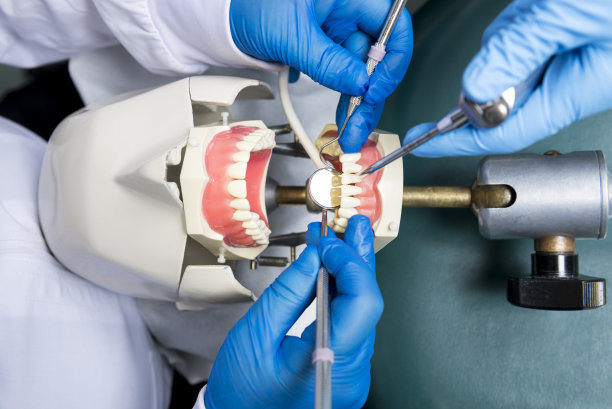
The dental implant procedure involves several steps, starting with a thorough assessment by your dentist or oral surgeon. X-rays and 3D imaging may be used to evaluate the condition of your jawbone and plan for the implant placement accurately. This preparation is crucial for ensuring a successful outcome and involves discussing various factors, including your oral health history and personal expectations.
Once the assessment is complete, the actual procedure is initiated. It often begins with the implantation of a titanium post into the jawbone, serving as the root of the lost tooth. Patients typically undergo a local anesthetic, ensuring they feel minimal discomfort throughout the surgery. Post-implantation, a healing period is required for the jawbone to fuse with the titanium post—this process is known as osseointegration, which is vital for the implants stability.
After the implant fully integrates with the bone, an abutment is attached to the post, which will hold the custom-made crown. This final step not only enhances functionality but also restores aesthetics, allowing patients to eat and smile with confidence. Understanding these stages helps dispel any anxiety about the procedure and emphasizes the importance of careful planning and expert handling during the treatment.
2. Different Types of Dental Implants Explained
Dental implants come in various forms, each designed to meet specific patient needs. The most common type is the endosteal implant, which is surgically placed directly into the jawbone. This type is suitable for most patients who possess sufficient bone density. Another option is the subperiosteal implant, which is placed under the gum but above the jawbone. This is typically recommended for individuals who have minimal jawbone height.
Additionally, mini dental implants have gained popularity due to their smaller size, making them less invasive. They are often used for stabilizing dentures and can be a viable option for patients with limited bone density. Each type of implant has its unique advantages and potential drawbacks, emphasizing the importance of a tailored approach when planning treatment.
Consultation with dental professionals will provide insight into which type of implant is best suited for individual needs. As patients research, they can better understand the differences and be more engaged in the decision-making process, thereby aligning their expectations with the reality of each implant types capabilities.
3. Benefits of Dental Implants for Oral Health
One of the primary advantages of dental implants is the significant improvement in oral health. Unlike dentures, which can slip or shift, implants provide a stable and secure solution, ensuring better comfort and functionality in daily eating and speaking. This stability encourages patients to maintain a healthier diet, promoting overall well-being.
Furthermore, implants help preserve jawbone density. When teeth are lost, the underlying bone can deteriorate over time due to lack of stimulation. However, the presence of an implant mimics the root of a natural tooth, stimulating the bone and preventing its degradation. This is crucial not only for aesthetics but also for maintaining the facial structure.
Lastly, dental implants reduce the risk of adjacent teeth shifting or misalignment, which can occur when there are gaps in the mouth. By filling these spaces, patients can ensure better alignment and prevent further dental complications. Therefore, the long-term benefits of dental implants extend far beyond restoring a smile—they play a critical role in enhancing overall oral health.
4. Essential Aftercare for Dental Implants
The journey doesn’t end once dental implants are placed; proper aftercare is key to ensuring their longevity. Patients are advised to follow their dentists instructions closely, including maintaining good oral hygiene through brushing and flossing. It is crucial to keep the implant site clean to avoid infection.
Regular follow-up visits with the dental professional are essential for monitoring the implant’s health and ensuring it integrates correctly with the bone. These visits allow for early identification of any issues, supporting ongoing oral health. In addition, dentists may recommend specific care products designed for implant maintenance.
Lastly, lifestyle factors such as avoiding tobacco products and minimizing alcohol intake contribute significantly to the success of dental implants. By actively participating in their aftercare and maintaining healthy habits, patients can maximize their investment in dental implants and enjoy a restored, confident smile for years to come.
Summary:
In conclusion, dental implants represent a transformative solution for those facing tooth loss. Through understanding the procedure, exploring the types available, recognizing the benefits, and embracing essential aftercare, patients can navigate their dental journey with confidence. Knowledge is empowering; informed patients are better equipped to make decisions that positively impact their oral health.
This article is compiled by Vickong Dental and the content is for reference only
















