








Summary: Dental implant treatment is a transformative solution for individuals with missing teeth, significantly enhancing oral health, functionality, and aesthetics. This comprehensive guide delves into the numerous benefits associated with dental implants, including improved quality of life, a natural appearance, and increased confidence. Additionally, it outlines the recovery process, ensuring prospective patients understand what to expect and how to manage their healing. By exploring the long-term advantages of dental implants, this guide aims to educate readers on making informed decisions regarding their dental health, ultimately leading to a healthier smile and enhanced overall well-being.
1. Benefits of Dental Implants for Oral Health
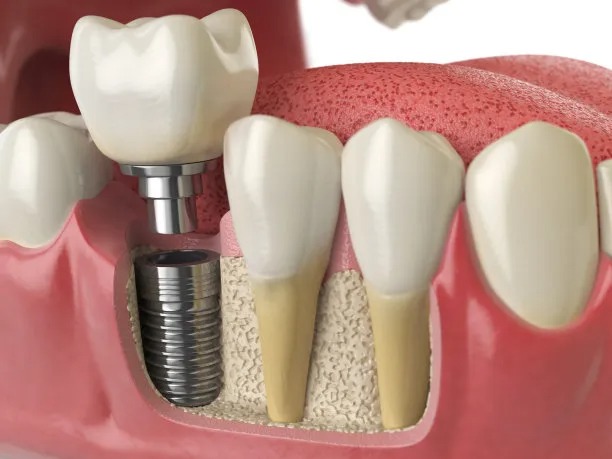
Dental implants serve as a solid foundation for replacement teeth, offering significant improvements to oral health. Unlike dentures that can slip and cause discomfort, implants are securely anchored in the jawbone, providing stability and preventing bone loss. This process stimulates the jawbone similarly to how natural teeth do, reducing the risk of further dental complications.
Moreover, dental implants preserve the integrity of surrounding teeth. When a tooth is lost, adjacent teeth often shift to fill the gap, which can lead to misalignment and further dental issues. Implants maintain the proper alignment of the remaining teeth, promoting better oral hygiene and decreasing the likelihood of decay and gum disease.
Additionally, dental implants require no special adhesives or cleaning routines, simplifying oral hygiene practices. Patients can care for them just like natural teeth—through regular brushing, flossing, and professional dental check-ups—thereby contributing to overall health and well-being.
2. Improved Functionality and Quality of Life
One of the most significant advantages of dental implants is the restoration of functionality. Patients with missing teeth often experience difficulty in chewing, eating, and speaking. Dental implants function like natural teeth, which allows users to enjoy their favorite foods without fear of discomfort or embarrassment.
The confidence boost that accompanies a restored smile is profound. Individuals with dental implants report major improvements in self-esteem and social interactions. A complete smile enhances personal and professional relationships, contributing positively to ones quality of life.
Beyond aesthetics, dental implants support overall health. Improved chewing ability encourages a more varied and healthier diet. This dietary enhancement can lead to better nutrition, weight management, and overall physical health. Thus, dental implants are not only a cosmetic solution but a significant upgrade in one’s lifestyle.
3. Understanding the Recovery Process
Recovery from dental implant surgery typically involves several stages and requires patient cooperation. Initially, after the surgery, patients may experience some swelling and discomfort. It’s essential to follow post-operative care instructions carefully, including taking prescribed pain medications and applying ice packs to minimize swelling.
The healing process may take several months as the implants integrate with the jawbone, a process known as osseointegration. During this period, patients should maintain a soft diet and practice meticulous oral hygiene to avoid complications. Regular follow-ups with the dentist ensure that the healing is progressing as expected.
Once recovery is complete, patients can expect a seamless transition to their new teeth. The final stages include the placement of abutments and crowns, which further enhance the appearance and functionality of the dental implants. This commitment to the recovery phase is crucial for achieving the best long-term results.
4. Long-term Considerations for Success
Dental implants are designed to last, but their longevity depends on several factors, including oral hygiene practices and regular dental visits. Patients must be diligent in caring for their implants, brushing and flossing just as they would with natural teeth to prevent any potential issues.
Additionally, lifestyle choices play a critical role in the success of dental implants. Avoiding tobacco products and maintaining a balanced diet can significantly impact the implants’ longevity. Patients should also be aware of potential wear and tear and consult their dentist regarding any concerns promptly.
Its essential to foster a partnership with the dental care team. Communication regarding any changes in dental health or concerns about the implant is crucial to maintain success. Adhering to follow-up appointments ensures long-term satisfaction and the continued health of one’s smile.
Summary:
The exploration of dental implant treatment illustrates its myriad benefits, from enhancing oral health to improving overall quality of life. As individuals navigate the recovery process, understanding the importance of aftercare and long-term maintenance will ensure lasting results. With proper guidance and commitment, dental implants pave the way for a healthier smile and brighter future.
This article is compiled by Vickong Dental and the content is for reference only.
















