







Summary: Dental implants have transformed the field of restorative dentistry, offering a reliable solution for individuals with missing teeth. This comprehensive guide delves into the benefits and procedures associated with dental implant treatment. We will explore four essential aspects: the advantages of dental implants, the procedure involved, post-treatment care, and common misconceptions. Each of these elements will be examined in detail to provide readers with a thorough understanding of how dental implants can revolutionize smiles and restore confidence. Whether you are considering implants for the first time or seeking to deepen your knowledge, this guide will provide invaluable insights.
1. The Advantages of Dental Implants
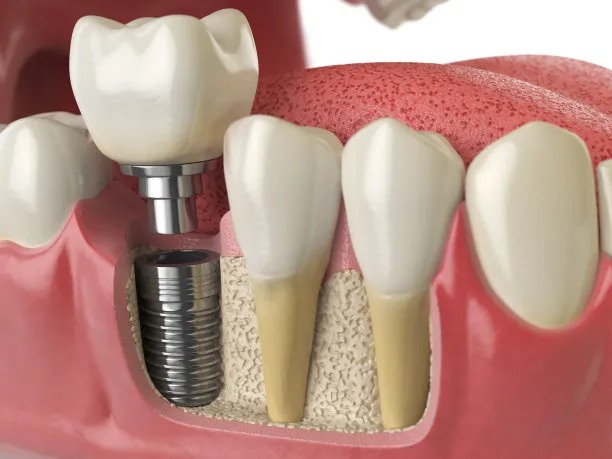
Dental implants offer numerous advantages over traditional tooth replacement options such as dentures and bridges. Firstly, they provide a permanent solution for missing teeth, enhancing the patients quality of life for years. Unlike dentures, which can shift and cause discomfort, implants are securely anchored in the jawbone, mimicking the function of natural teeth.
Secondly, dental implants support bone health. When a tooth is lost, the jawbone can deteriorate over time, leading to a sunken face and further dental issues. Implants stimulate the bone, preventing loss and maintaining facial structure, which is crucial for a youthful appearance.
Finally, dental implants improve functionality. They allow individuals to eat and speak without restrictions, offering a level of confidence and comfort that is difficult to achieve with removable dentures. This leads to a significant improvement in overall well-being and social interactions.
2. The Comprehensive Procedure of Implantation
The dental implant procedure generally occurs in several stages, starting with a thorough evaluation by a dental professional. This initial assessment often includes imaging techniques, such as X-rays or CT scans, to determine the appropriate course of action and to assess jawbone health.
Once the evaluation is complete, the first surgical stage involves the placement of the biocompatible titanium implant into the jawbone. This process is usually done under local anesthesia, ensuring patient comfort. After this, a healing period of several months is necessary for the implant to fuse with the bone, a process known as osseointegration.
After the healing phase, an abutment is placed on the implant, which will hold the final restoration. Finally, impressions are taken for creating a custom crown that matches the surrounding teeth, ensuring a natural appearance. The entire process can span several months, but the results are lasting and life-changing.
3. Essential Post-Treatment Care Tips
Post-treatment care is crucial for the success of dental implants. Proper oral hygiene is the first step in maintaining the health of both the implant and surrounding tissues. Patients are encouraged to brush and floss daily while incorporating an antibacterial mouthwash to reduce plaque build-up.
Regular dental check-ups are also vital. Routine visits allow dental professionals to monitor the condition of the implants and ensure that they remain stable and healthy. During these appointments, any early signs of complications can be addressed swiftly.
Additionally, lifestyle choices play an integral role in the longevity of dental implants. Avoiding tobacco products is significant, as smoking can impair healing and increase the risk of implant failure. A balanced diet rich in nutrients also supports oral health.
4. Debunking Common Misconceptions
Despite the many advantages of dental implants, several misconceptions exist that can deter potential candidates. One common myth is that the procedure is excessively painful. However, advances in dental technologies and anesthesia make the procedure much more comfortable than many anticipate.
Another misconception is that dental implants are only for older adults. In reality, younger patients can also benefit from implants, provided they have completed jaw development and are in good health. Age should not be a deciding factor in seeking this restorative treatment.
Lastly, some believe that dental implants require excessive maintenance. In fact, with proper care, dental implants can last a lifetime, making them a cost-effective solution compared to other restorative options that may require regular replacement or adjustments.
Summary: In conclusion, dental implants offer revolutionary benefits for individuals seeking to restore their smiles. The advantages, comprehensive procedures, essential post-treatment care, and common misconceptions have been thoroughly discussed to provide a well-rounded understanding of this treatment. For anyone considering dental implants, its essential to consult with a professional to ensure the best possible outcomes and embrace the confidence that comes with a healthy smile.
This article is compiled by Vickong Dental and the content is for reference only.
















