





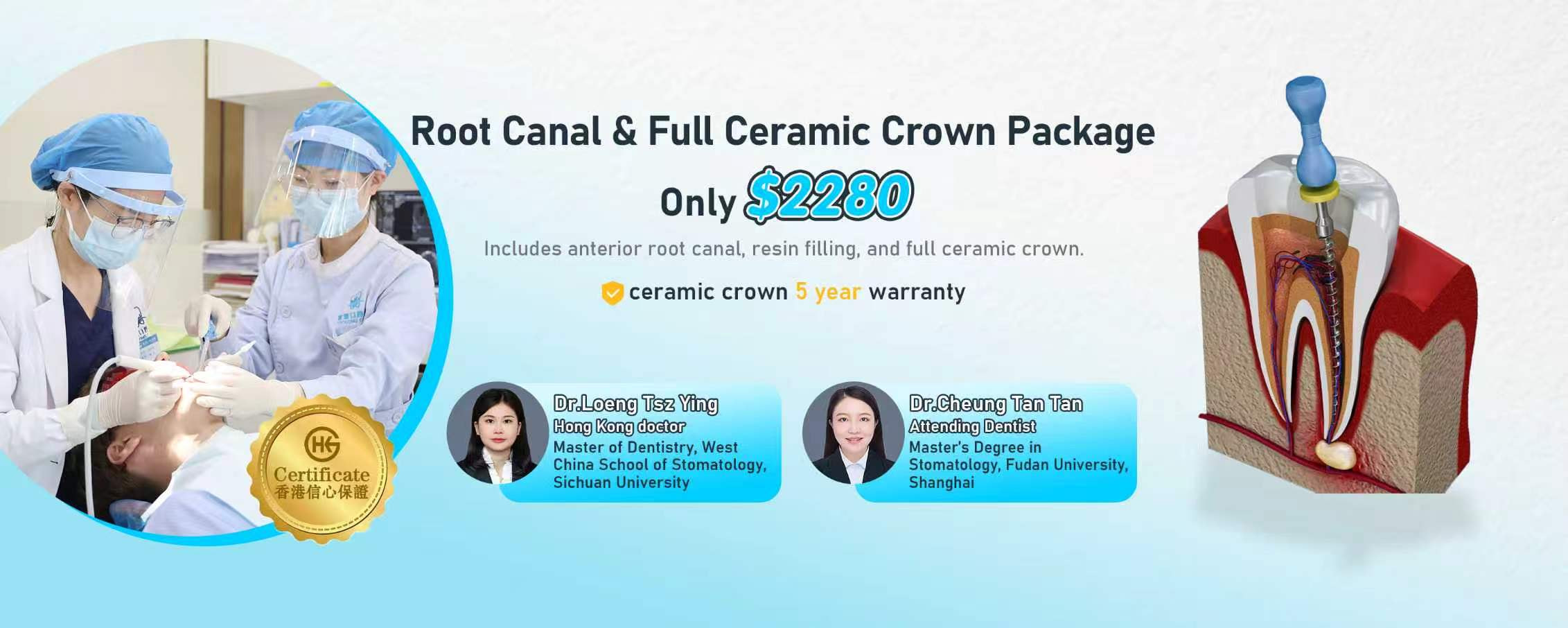


Summary: Dental implants are revolutionizing the field of smile restoration, offering unparalleled benefits and advanced techniques that enhance patient confidence and quality of life. This article delves into four critical aspects of dental implant treatments: their disruptive advantages, the innovative technologies behind them, the comprehensive steps involved in the procedure, and the importance of aftercare. Each section will explore how dental implants can provide a long-lasting solution for those seeking to regain their smile, eliminate discomfort associated with traditional dentures, and ultimately, boost their self-esteem. By understanding these elements, patients can make informed decisions about their dental health and enjoy the transformative impact of implants.
1. Enhanced Functionality and Aesthetic Appeal

One of the most significant advantages of dental implants is the restoration of both functionality and aesthetics. Unlike traditional dentures, which can slip and cause discomfort, implants are securely anchored in the jawbone. This stability allows patients to speak, eat, and engage in social activities without the fear of their teeth shifting out of place.
Moreover, dental implants are designed to closely resemble natural teeth. They come in various shapes and shades, allowing for a personalized fit that enhances one’s appearance. Patients no longer need to hide their smiles due to missing teeth; instead, they can display confident, natural-looking grins that boost self-esteem and social interactions.
Additionally, dental implants help maintain facial structure by preventing bone loss that often accompanies tooth loss. This benefit keeps the face looking youthful and prevents the sunken appearance common among individuals who wear traditional dentures.
2. Innovative Technologies in Dental Implant Treatments
The success of dental implant treatments hinges on advanced technologies that have been developed in recent years. One notable innovation is 3D imaging, which allows dentists to accurately assess the condition of the jaw and plan the surgical placement of implants precisely. This technology minimizes risks and maximizes the success rate of the procedure.
Another groundbreaking technique is guided implant surgery, where templates are used to ensure that implants are placed in the optimal position. This precision not only leads to improved aesthetic outcomes but also enhances dental function, contributing to the overall effectiveness of the treatment.
Additionally, the advent of implant materials like titanium, known for their biocompatibility, has revolutionized the field. These materials integrate seamlessly with bone tissue, providing a strong foundation for the implants and significantly increasing longevity and durability.
3. The Comprehensive Steps of the Procedure
Understanding the typical steps involved in dental implant procedures can help alleviate any concerns prospective patients may have. Initially, a thorough consultation is conducted, including an oral examination and imaging studies to assess whether implants are a suitable option. During this stage, the dentist will address any questions and discuss the patient’s expectations.
The actual procedure is completed in several stages. First, the implant is surgically placed into the jawbone, where it will gradually fuse with the bone over several months in a process known as osseointegration. After sufficient healing, an abutment is placed on the implant, which acts as a connector for the artificial tooth.
Finally, a crown, fabricated to match the patient’s natural teeth, is attached to the abutment. Patients typically experience minimal discomfort during each stage, thanks to advancements in anesthesia and pain management techniques.
4. The Importance of Aftercare and Maintenance
Post-procedure care is crucial to the long-term success of dental implants. Patients are advised to follow their dentists post-operative instructions meticulously, including guidelines on oral hygiene and dietary restrictions. Effective oral care helps prevent infections and ensures the implants remain secure.
Regular dental check-ups play a vital role in monitoring the condition of the implants. Dentists will evaluate the surrounding gum tissues and the stability of the implants during these visits. Early identification of any potential issues can lead to prompt intervention, thus safeguarding the investment made in one’s smile.
Furthermore, avoiding harmful habits such as smoking can significantly impact implant longevity. Patients should be educated about these risks and encouraged to adopt healthier lifestyles to prolong the success of their dental treatments.
Summary: Dental implants are an innovative solution for smile restoration, providing patients with enhanced aesthetics, improved function, and lasting confidence. The integration of modern technologies, thorough understanding of procedural steps, and diligent aftercare collectively ensure successful outcomes. As more individuals discover the transformative effects of dental implants, they are empowered to reclaim their smiles and self-assurance.
This article is compiled by Vickong Dental and the content is for reference only.
















