








Summary: The advent of dental implants has fundamentally transformed dentistry, providing revolutionary solutions for individuals struggling with tooth loss. This article delves into the latest advancements in dental implant technology, including enhanced materials, innovative procedures, and the growing prevalence of minimally invasive techniques. We will explore the myriad benefits of dental implants for lasting oral health, encompassing functionality, aesthetics, and psychological well-being. Additionally, we will discuss the importance of proper maintenance and how these advances contribute to overall health, making dental implants a valuable investment for patients seeking a confident and healthy smile.
1. Innovative Materials in Dental Implants
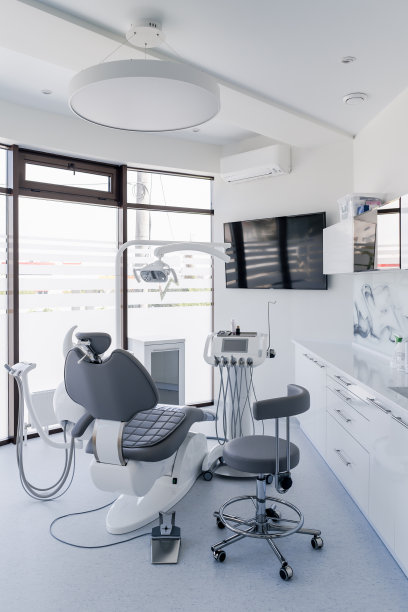
Recent advancements in materials science have greatly improved the efficacy and longevity of dental implants. Traditional implants were primarily composed of titanium, but today, a multitude of biocompatible materials is used to enhance integration with the body. Zirconia, for example, has gained popularity due to its aesthetic appeal and bio-compatibility, providing a metal-free option for patients concerned about allergies or metallic appearances.
Furthermore, the introduction of surface modifications has optimized osseointegration, which is crucial for the implants success. Textured surfaces and coatings, such as calcium phosphate, significantly enhance the bonding between the implant and the jawbone, ensuring stability and durability over time. These innovations not only offer a higher success rate but also minimize the risk of complications.
As research continues to evolve, the integration of nanotechnology and regenerative medicine stands to redefine dental implant procedures. These developments promise even better outcomes, making implants more accessible and effective for a broader range of patients.
2. Minimally Invasive Implant Procedures
Minimally invasive techniques have emerged as a game-changer in dental implant treatments, offering patients quicker recovery times and reduced discomfort. Traditionally, implant surgery required extensive incisions and prolonged healing periods. However, with the advent of computer-guided implantology, procedures have become more precise and less traumatic.
This technique allows for the use of smaller incisions, which means less damage to surrounding tissues. Patients are often able to return to their daily routines within days rather than weeks. Additionally, advances in local anesthesia and sedation techniques further decrease anxiety and pain associated with implant procedures.
Furthermore, immediate loading protocols enable the placement of a temporary crown on the same day as the implant surgery. This innovation enhances both functionality and patient satisfaction, allowing individuals to leave the dental office with improved aesthetics and confidence.
3. Holistic Benefits of Dental Implants
The benefits of dental implants extend beyond mere aesthetics and functionality; they play a vital role in promoting overall health and well-being. Unlike dentures, which can slip and cause discomfort, implants provide a stable and secure solution that supports normal chewing and speaking habits. This stability significantly enhances quality of life, allowing individuals to enjoy a broader variety of foods.
Moreover, dental implants help prevent bone loss in the jaw. When teeth are lost, the underlying bone tissue begins to deteriorate due to lack of stimulation. Implants, by simulating the presence of natural teeth, provide the necessary pressure to maintain bone density, thus preserving facial structure and preventing premature aging.
Lastly, improved oral health also correlates with better mental health. Patients who have undergone successful implant procedures often report increased self-esteem and confidence, which can lead to improved social interactions and overall well-being. The psychological benefits of a radiant smile cannot be overstated.
4. Importance of Post-Procedure Care
While dental implants offer numerous benefits, post-procedure care is crucial to ensuring long-term success. Proper oral hygiene practices, including regular brushing, flossing, and professional dental check-ups, are vital to maintaining implant health. Unlike natural teeth, implants do not decay, but they can still be affected by gum disease if not properly cared for.
Additionally, patients should avoid certain habits that could jeopardize their implants, such as smoking or excessive consumption of alcohol. Adhering to a healthy lifestyle, including a balanced diet rich in nutrients, can significantly contribute to the longevity of dental implants and overall oral health.
In recent years, dental professionals have begun offering specialized follow-up programs aimed at educating patients about the best practices for maintaining their implants. Continuous monitoring and support can lead to early detection of any potential issues, ultimately ensuring the longevity of the implant.
Summary:
Dental implant technology has undergone remarkable advancements that enhance not only the functionality and aesthetics of dental solutions but also the well-being of patients. With innovations in materials and processes, lighter recovery times, and improved longevity, implants have become a go-to option for those seeking to restore their smiles. Importantly, the holistic benefits, coupled with the understanding of proper aftercare, underline the importance of considering dental implants as a critical investment in ones oral and overall health.
This article is compiled by Vickong Dental and the content is for reference only.
















