








Summary: Dental implants are a transformative solution for those seeking to restore their smile and confidence after tooth loss. This article explores the myriad benefits of dental implant treatments, including improved aesthetics, enhanced oral health, durability, and the restoration of function. We will also walk through the step-by-step process of dental implant placement, from the initial consultation to the final restoration. By understanding these aspects, readers can appreciate the value of dental implants in achieving a healthy and confident smile.
1. Enhancing Aesthetics and Confidence
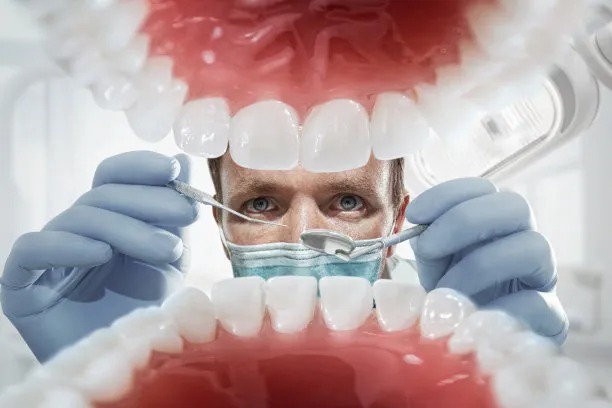
One of the primary benefits of dental implants is the significant improvement in aesthetics they provide. Dental implants look and feel like natural teeth, allowing individuals to smile confidently again. This aesthetic enhancement can be life-changing for many, restoring not only the visual appeal of their smile but also their self-esteem.
Furthermore, dental implants prevent the facial sagging that often accompanies tooth loss. When teeth are missing, the jawbone can shrink over time, leading to a sunken appearance. By replacing missing teeth with implants, patients can maintain their facial structure and prevent premature aging.
For many people, a confident smile brings about social and professional advantages. Enhanced aesthetics with dental implants can lead to improved interactions, social engagements, and overall life satisfaction. The emotional impact of having a beautiful smile is significant, making dental implants a worthy investment.
2. Promoting Oral Health and Functionality
Dental implants not only enhance appearance but also promote better oral health. Unlike traditional dentures, implants integrate with the jawbone, providing a stable foundation that preserves bone density. This ability to maintain bone integrity is crucial since the jawbone can deteriorate after tooth loss.
Additionally, dental implants improve functionality. They allow patients to chew food more effectively, enhancing their diet and promoting better nutrition. Individuals with implants can enjoy their favorite foods without the discomfort that often comes with using dentures, such as slippage and irritation.
The stability of implants means that they won’t shift in the mouth, ensuring comfort and confidence while speaking and eating. This reliability contrasts with traditional tooth replacement options, making dental implants a superior choice for many patients.
3. Longevity and Durability of Dental Implants
Another key advantage of dental implants is their durability. With proper care and maintenance, implants can last a lifetime—far longer than other tooth replacement options like bridges and dentures, which may require frequent replacements.
This longevity is partly due to the materials used in dental implants. They are typically made of titanium, a biocompatible substance that fuses with the jawbone. This robust integration not only ensures stability but also means that implants are resistant to decay, unlike natural teeth.
Dental implants are also relatively low maintenance. Patients can care for them in the same manner as natural teeth—through regular brushing, flossing, and biannual dental check-ups—making them a convenient option for busy lifestyles. Their durability and ease of care contribute to their appeal as a long-term solution for tooth replacement.
4. The Dental Implant Process Explained
The process of getting dental implants typically begins with a comprehensive consultation. The dentist assesses the patients dental health, discusses the procedure, and develops a personalized treatment plan. This initial step is crucial to inform patients about what to expect and to tailor the approach to their specific needs.
Following the plan, the implant placement involves a minor surgical procedure where a titanium post is inserted into the jawbone. Over time, this post fuses with the bone—a process called osseointegration. This healing period can take several months, during which a temporary restoration may be placed.
Finally, after the successful integration of the implant, the permanent crown is affixed. This last step completes the treatment, resulting in a fully functional and natural-looking tooth replacement. Patients typically find this process manageable, and the benefits far outweigh the temporary discomfort they may experience.
Summary:
In exploring dental implant treatments, we see that they offer significant aesthetic, health, and functional benefits. The process of dental implant placement is straightforward and culminates in a long-lasting solution for tooth loss. Overall, dental implants not only improve smiles but also enhance the quality of life for many individuals.
This article is compiled by Vickong Dental and the content is for reference only.
















