



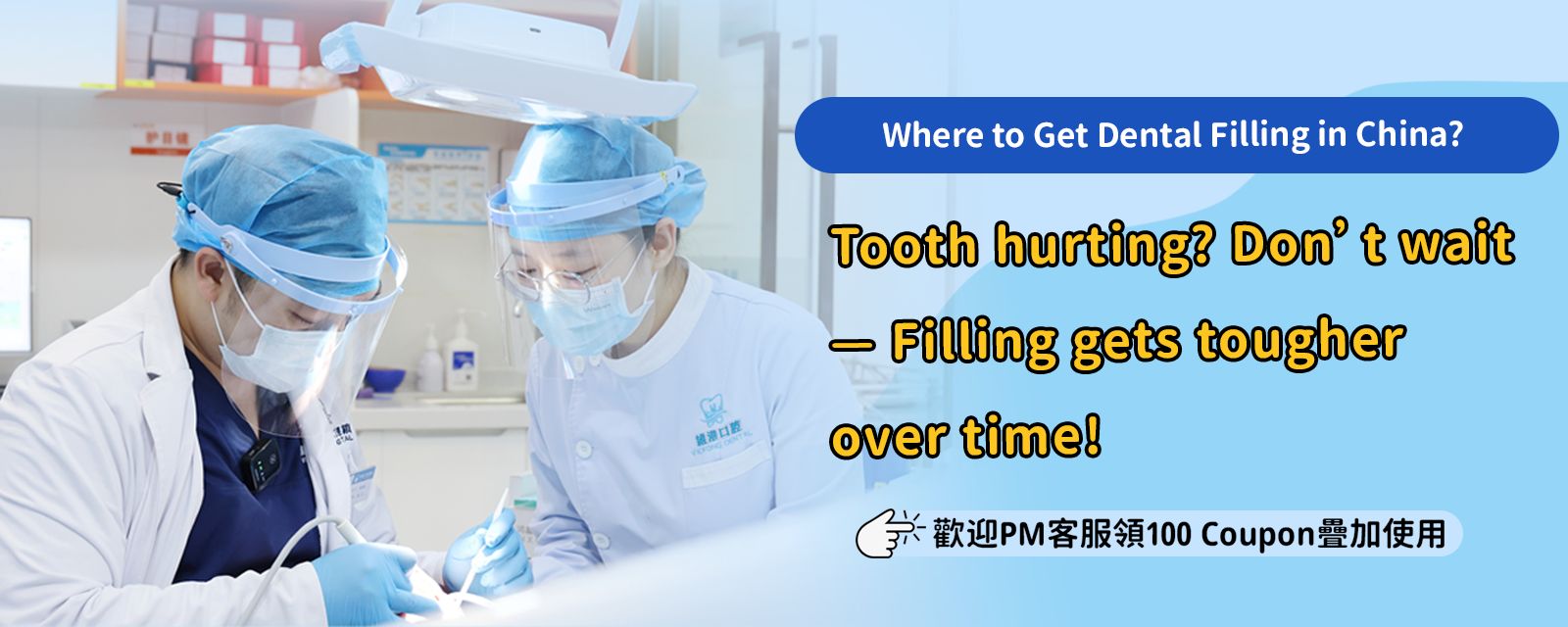
**Efficient Travel Planning for Dental Treatments in Chinese Mainland**
In recent years, many Hong Kong residents have opted to travel to Chinese Mainland for dental treatments. The reasons are numerous, including advancements in dental services and technology, as well as convenient scheduling and transportation. If youre considering visiting Shenzhen or other mainland cities for dental care, how can you organize your travel to save the most time and effort? This article provides practical advice on planning your journey to ensure a smooth experience.
**1. Plan Your Location and Timing Ahead**
First, decide on the dental clinic you wish to visit. Different cities and even different districts within the same city can vary significantly in travel time. Shenzhen is the closest to Hong Kong, offering a plethora of transportation options, making it a popular choice for dental visits. Once youve chosen your clinic, schedule your trip according to its operating hours. Its advisable to book your appointment in advance, either by phone or online, to avoid wasting time waiting for a slot.
**2. Choose the Most Suitable Mode of Transport**
Traveling from Hong Kong to Shenzhen can be done via high-speed rail, subway, or cross-border buses. The high-speed rail is fast and ideal for those who want to reach the city center or major transport hubs quickly. The subway offers frequent services and direct access to areas near Shenzhens border, making it suitable for flexible travel plans. Cross-border buses have diverse routes that can take you directly to certain communities or commercial areas, minimizing transfer times. When selecting your mode of transport, consider which border crossing is closest to your clinic to reduce travel time from the border to the clinic.
**3. Avoid Peak Hours**
Many overlook the importance of choosing the right time to travel. During weekday rush hours (7-9 AM and 5-7 PM), crossing borders and navigating city traffic can be congested. Its recommended to travel after 10 AM or before 2 PM to avoid heavy crowds, making border crossing and city travel more manageable.
**4. Utilize Online Tools for Traffic Updates**
Numerous map applications and transportation platforms provide real-time traffic and schedule updates. For instance, high-speed rail services offer real-time train schedules and ticket availability, while subway apps provide operational status alerts. Before setting out, check the waiting times at border crossings to adjust your route ac
cordingly. Flexible adjustments, such as switching from Lok Ma Chau to Futian or from Lo Wu to another crossing, can save significant waiting time.
**5. Coordinate with Local Transport Networks**
Upon arriving in Shenzhen, the route from the border to your clinic is crucial. Its best to research whether there are nearby subway stations, bus stops, or if taking a taxi would be more convenient. If the clinic is directly accessible via a subway line, it can save transfer time. If local transport is inconvenient, consider arranging for clinic-provided shuttle services or use ride-hailing apps to avoid getting lost or waiting for transportation.
**6. Plan Your Return Journey**
Dont focus solely on your outbound trip; your return journey requires planning too. After dental treatment, you might feel discomfort, so its best to choose a direct and quick route back to Hong Kong. If your appointment is in the afternoon, aim to return before late evening, as border crossings may become busier. If follow-up visits are needed, schedule them during the same time slot to replicate your travel plan and save the effort of re-planning.
**7. Prepare Your Documents for Border Crossing**
Although traveling to Chinese Mainland is convenient, ensure you have all necessary documents for border crossing. Double-check that you have your ID card, Home Return Permit, and other required paperwork to ensure a swift and smooth crossing. Some borders offer electronic and self-service channels, and familiarizing yourself with these can save valuable minutes.
**8. Allow for Flexible Buffer Time**
No matter how well you plan, unexpected events like security checks, traffic incidents, or bad weather can occur. Its wise to allocate an additional 20-30 minutes as buffer time for both the outbound and return trips. This way, even if unforeseen circumstances arise, your schedule remains intact, and you avoid the stress of rushing for transport or border crossings.
In summary, efficient travel planning for dental treatments in Chinese Mainland involves considering clinic location, transportation options, travel timing, border crossing conditions, and return arrangements. Utilizing real-time online traffic information can dynamically adjust your plans. Investing a little extra effort in preparation can ultimately save you time and energy. Next time you plan a dental trip to Chinese Mainland, consider these strategies to ensure a smooth and stress-free experience, balancing treatment with daily life.
















