



Summary: This article provides a detailed overview of dental implant treatment and its transformative benefits for oral health. From improving aesthetics and functionality to offering long-lasting solutions, dental implants revolutionize smiles and contribute significantly to overall well-being. Readers will explore the technological advancements in implant procedures, the critical steps involved in treatment, and the potential complications, alongside the importance of maintaining oral hygiene for implant longevity. By the end of this guide, individuals will understand why dental implants are considered a cornerstone of modern dentistry, ensuring improved life quality through enhanced dental health.
1. Understanding Dental Implants in Modern Dentistry
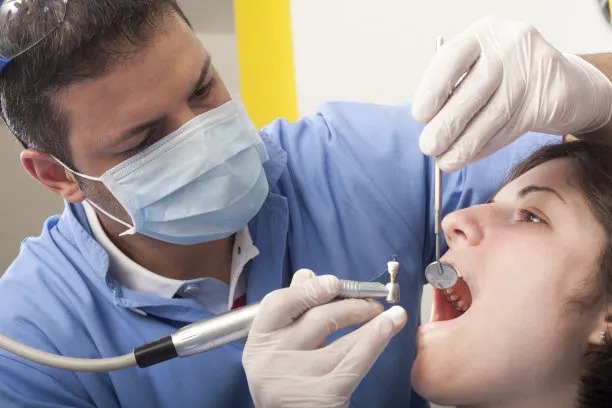
Dental implants are artificial tooth roots, usually made of titanium, that are surgically embedded into the jawbone to support replacement teeth. They are designed to mimic the function and appearance of natural teeth, allowing patients to regain their ability to chew, speak, and smile confidently. The evolution from traditional dentures and bridges to dental implants signifies a major leap in dental technology.
The procedure begins with a thorough evaluation, including X-rays and possibly 3D imaging, to assess bone density and determine the best possible treatment plan. This meticulous planning is crucial as it establishes the overall success of the implant. Understanding the importance of precision in placement can help alleviate patients concerns regarding the surgical aspect of the process.
Additionally, the natural healing process contributes significantly to the stability and durability of the implant. Over time, the surrounding bone integrates with the implant through a process called osseointegration, which boosts both functionality and longevity. This unique feature distinguishes dental implants from other dental restoration options.
2. The Benefits of Dental Implants for Oral Health
One of the primary advantages of dental implants is their ability to restore functionality. Unlike dentures, which can shift and produce discomfort, implants provide a stable solution that allows for normal chewing and biting strength. This reliability directly impacts a patient’s nutrition and ability to enjoy various foods.
Aesthetically, dental implants offer an unmatched advantage as they closely resemble natural teeth. Patients often report increased self-esteem and confidence after receiving implants, enabling them to smile freely without the worry of slipping dentures. This psychological benefit plays a critical role in overall mental well-being.
Furthermore, dental implants contribute positively to oral health by preventing bone loss. When a tooth is lost, the jawbone can begin to deteriorate, leading to a sunken facial appearance. Implants stimulate the jawbone, helping to maintain its density and structure. This aspect not only preserves facial aesthetics but also positions dental implants as a critical investment in long-term oral health.
3. Comprehensive Steps in Implant Treatment Process
The dental implant process involves several steps, beginning with an initial consultation. During this phase, dentists evaluate the patients medical history, assess oral health, and assess the need for additional procedures such as bone grafting if necessary. Planning is paramount, as it sets the groundwork for successfully placing the implant.
Once the planning is finalized, the surgical procedure takes place, where the implant is placed into the jawbone. After this, a healing period of several months is required for osseointegration to occur. Patients are often provided with temporary restorations to maintain appearance and function during this phase.
Finally, once healing is complete, a permanent crown is attached to the implant, completing the process. Post-treatment care is essential, and regular check-ups ensure the implant remains healthy. Through consistent oral hygiene practices, patients can enjoy the benefits of their dental implants for years to come.
4. Potential Complications and Maintaining Oral Hygiene
Although dental implants are generally safe, potential complications can occur. These may include infection at the implant site, damage to adjacent teeth, or issues related to the implant not integrating properly. However, the likelihood of these complications is significantly reduced when patients follow their dentist’s pre- and post-surgical care instructions.
Maintaining optimal oral hygiene is crucial for the longevity of dental implants. Regular brushing, flossing, and routine dental visits play a vital role in preventing peri-implantitis, an infection that can affect the gum surrounding the implant. Adopting good oral habits helps preserve the health of the gums and surrounding teeth, ensuring long-term success of the implants.
Moreover, lifestyle factors such as smoking can severely impact the healing process and ultimately the success of dental implants. Patients are encouraged to discuss their habits with their dental care providers to receive tailored advice on how to care for their implants effectively.
Summary:
In summary, dental implants present a revolutionary option for those seeking to restore their smiles and improve their oral health. By understanding the process and acknowledging the benefits, patients can make informed decisions regarding their dental care. The advancements in implant technology not only enhance functionality but also significantly boost self-esteem and overall life quality.
This article is compiled by Vickong Dental and the content is for reference only.
















