



Summary: In this article, we delve into advanced dental implant treatment options that provide lasting solutions to missing teeth and enhance oral health. We explore different types of implants, the latest advancements in technology, the benefits of choosing implants over traditional prosthetics, and the crucial aspects of post-operative care. Each section is designed to inform readers about how these advanced solutions can transform their dental health and improve their quality of life. By understanding the options available, potential patients can make informed decisions that lead to healthier smiles and overall well-being.
1. Understanding Different Types of Dental Implants
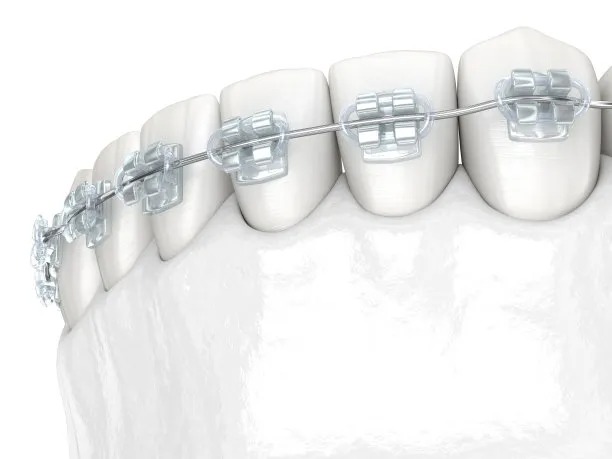
Dental implants come in various forms, tailored to accommodate individual needs. The most common types are endosteal implants, which are inserted into the jawbone, and subperiosteal implants, which are placed under the gum but above the jawbone. Each type has its own set of indications based on factors like bone density, oral health status, and individual preferences.
Moreover, within these categories, implants can be customized as single-tooth solutions or as implant-supported bridges for multiple missing teeth. All-on-4 implants, for instance, offer a way to replace an entire arch of teeth using just four strategically placed implants, making them an efficient option for many patients.
Understanding the differences and selecting the right type of dental implant is crucial. Consulting with an experienced dental professional can help determine which type is best suited to individual circumstances, ensuring optimal results and satisfaction.
2. Innovations in Dental Implant Technology
The field of dental implantology has seen remarkable technological advancements in recent years. Innovations such as 3D imaging and computer-guided surgery techniques have significantly improved the precision and success rates of dental implant placements. These technologies allow for personalized treatment plans that account for bone structure and the location of nerves, enhancing overall safety.
Biomaterials used in implants are also undergoing transformation. Materials such as titanium and zirconia have been found to integrate more effectively with human bone, increasing durability and longevity. Additionally, surface treatments like plasma spraying are improving osseointegration, which is the process of bone fusing with the implant.
Continued research and development in implant technology signify a promising future, providing patients with greater options and more effective treatments. Staying abreast of these innovations can empower patients to seek the best solutions for their needs.
3. Benefits of Dental Implants Over Traditional Options
Dental implants are increasingly favored over traditional dentures or bridges due to their numerous advantages. One significant benefit is durability; with proper care, implants can last a lifetime, whereas dentures typically need to be replaced every five to ten years. This long-term investment saves patients money and provides peace of mind.
Another advantage is the aesthetic appeal of dental implants. They are designed to look and function like natural teeth, enhancing the patient’s smile and confidence. Unlike dentures, which can slip or cause discomfort, implants offer stability that allows for eating and speaking without worry.
Dental implants also contribute positively to oral health. They prevent bone loss that typically occurs when teeth are missing, maintaining jaw integrity and facial structure. This not only supports the remaining teeth but also boosts overall health and appearance.
4. Post-Operative Care for Optimal Success
Post-operative care is a critical component of the dental implant process. After surgery, patients are usually placed on a specific care regimen that includes prescribed antibiotics to prevent infection, as well as pain management medication. Following these guidelines helps ensure a smooth recovery.
Regular follow-up visits with the dental professional are equally important. These appointments provide opportunities to monitor healing, assess osseointegration, and address any concerns that may arise. Maintaining good oral hygiene during this period is also essential, as it promotes healing and protects the investment of the implant.
Moreover, patients are encouraged to avoid certain activities that could jeopardize the healing process, such as smoking and heavy physical exertion. Adhering to this advice fosters a successful outcome and long-lasting results from the dental implant procedure.
Summary: In exploring advanced dental implant treatment options, we have examined the different types of implants, the innovations driving this field, the benefits of choosing implants over traditional methods, and the critical nature of post-operative care. Such knowledge empowers patients to pursue the excellent oral health and beautiful smiles they deserve. Recognizing the importance of each stage, from planning through recovery, enhances the overall experience and outcomes of dental implant treatments.
This article is compiled by Vickong Dental and the content is for reference only.
















