



Summary: Dental implants represent a groundbreaking advancement in modern dentistry, revolutionizing the way we approach tooth replacement. This article explores the latest techniques in dental implant treatment and their multifaceted impact on both oral health and aesthetics. We will delve into the technological innovations that enhance implant success, the importance of individualized treatment planning, rehabilitation protocols that improve patient outcomes, and the remarkable psychological benefits that come with restored smiles. By examining these facets, we aim to highlight the profound ways dental implants not only improve functional aspects but also significantly elevate the quality of life for patients.
1. Innovative Techniques in Implantology
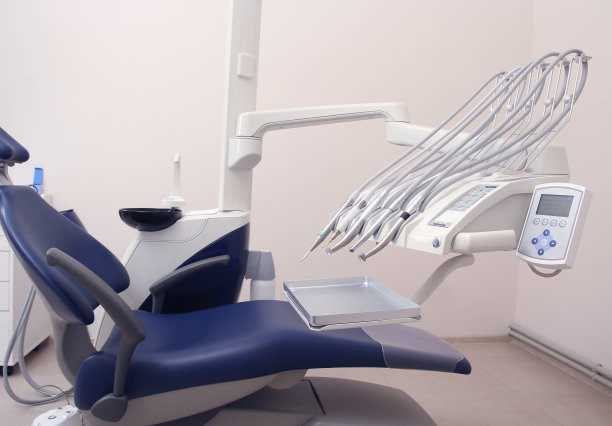
The field of implant dentistry has seen significant advancements in recent years, most notably in the area of surgical techniques and materials used. One of the key innovations includes the utilization of 3D imaging technologies, which provide precise mapping of the patients oral structure. This allows for more accurate placement of dental implants, reducing the risk of complications and enhancing overall success rates.
Moreover, guided implant surgery has emerged as a standard practice. This procedure allows dentists to plan the exact position of the implant before the surgery is performed, further improving surgical outcomes. Patients benefit from shorter procedure times and reduced discomfort, making the experience more user-friendly.
Additionally, new biomaterials like titanium and zirconia are being used extensively to support implants. These materials not only enhance the stability of the implant but also promote better integration with bone tissue, which is crucial for long-term success.
2. Customized Treatment Planning for Success
Every patient has unique dental needs, and a one-size-fits-all approach seldom works in dentistry. Thorough assessment and individualized treatment planning are essential for optimal results in dental implant procedures. Dentists start by performing comprehensive evaluations, including 3D scans and thorough examinations of the patient’s oral and general health.
This detailed planning phase enables the dental team to tailor the implant approach to each patient, accounting for factors such as bone density, gum health, and the patients lifestyle preferences. Custom treatment plans not only improve the likelihood of successful implant integration but also lead to more satisfying aesthetic outcomes.
Moreover, engaging patients in the treatment planning process fosters better communication and trust, making patients feel more comfortable and informed about their choices. This level of personalization enhances the overall care experience, ensuring that patient concerns are addressed promptly.
3. Enhanced Rehabilitation Protocols and Aftercare
The journey to a successful dental implant does not end with the surgical procedure; effective rehabilitation and aftercare are equally vital. Innovative rehabilitation protocols focus on minimizing discomfort and speeding up recovery. Many clinics now employ advanced pain management techniques and minimally invasive approaches to ensure patients have a smoother healing process.
Additionally, prolonged follow-up care is emphasized. Regular check-ups help monitor the implant and surrounding tissues, allowing for early detection of potential issues, which is crucial for maintaining oral health and preventing complications.
The integration of digital technologies, such as telemedicine, has also transformed the aftercare experience. Patients can now receive guidance and consultations remotely, further enhancing convenience and accessibility.
4. Psychological Benefits of Restored Smiles
Beyond the functional advantages, dental implants profoundly impact patients’ psychological well-being. Restoring a lost smile can significantly boost self-esteem and confidence. Patients often report feeling happier and more socially engaged when they have a complete and functional smile.
Furthermore, improved oral aesthetics often leads to better social interactions. Patients are more likely to smile and engage with others, fostering a sense of belonging and improving their overall quality of life. The psychological uplift associated with having a healthy smile is an integral aspect that goes hand-in-hand with physical restoration.
Additionally, knowing that a natural-looking smile is preserved helps mitigate anxiety about social situations. Patients feel more confident in their professional and personal lives, showcasing the overarching benefits of dental implants beyond just oral health.
Summary:
In conclusion, dental implants exemplify the cutting-edge advancements in modern dentistry by improving both oral health and aesthetic appeal. With innovative techniques, individualized treatment planning, enhanced rehabilitation protocols, and notable psychological benefits, dental implants have revolutionized the approach to tooth restoration and patient care. As these technologies continue to evolve, the possibilities for improving smiles and lives remain limitless.
This article is compiled by Vickong Dental and the content is for reference only.
















