



Summary: Dental implants are transforming the landscape of oral health, offering advanced solutions for those with missing teeth. "Revolutionizing Smiles: The Comprehensive Guide to Dental Implant Treatment for a Healthier and Confident You" delves into the intricacies of this transformative dental procedure. The guide not only explains the types and advantages of dental implants but also outlines the entire treatment process, the importance of aftercare, and how implants can significantly enhance a patient’s quality of life. By the end of this article, readers will gain a deeper understanding of dental implants and their role in fostering healthier, more confident smiles.
1. Understanding Dental Implants and Their Types
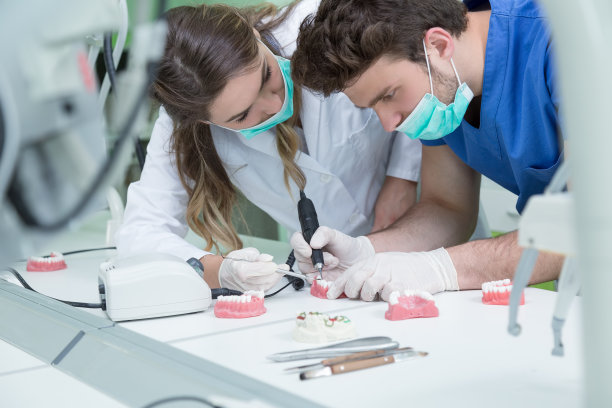
Dental implants are artificial tooth roots made from biocompatible materials that are surgically placed in the jawbone. They serve as a foundation for replacement teeth or bridges, providing a permanent solution for individuals who have lost teeth due to various reasons such as decay, injury, or periodontal disease. There are mainly two types of dental implants: endosteal and subperiosteal. Endosteal implants are inserted directly into the jawbone, while subperiosteal implants are placed on or above the jawbone.
Understanding the different types of implants is crucial for patients in selecting the right option for their specific needs. The choice often depends on the amount of bone available, the patient’s health status, and personal preferences. Consulting with a qualified dental professional will help determine the most appropriate approach to dental implant treatment.
In addition to these types, dental implants can also support various prosthetic options such as single crowns, bridges, and dentures. Each option offers unique benefits, enabling customized solutions tailored to ensure the best fit for individual lifestyles and preferences.
2. The Dental Implant Treatment Process
The treatment process for dental implants can be broken down into several stages, beginning with a thorough evaluation. This includes dental X-rays or 3D imaging that helps assess the jawbones structure and to plan the placement of the implants accurately. After determining candidacy, the next step involves the surgical procedure to place the implant, which may require local anesthesia and sometimes sedation for patient comfort.
After the initial surgery, a healing period follows, known as osseointegration, where the jawbone gradually fuses with the implant. This process can take a few months, during which patients might receive a temporary prosthetic to maintain functionality and aesthetics. Once the healing process is complete, the final restoration is placed, transforming the smile and offering full functionality.
Its important for patients to actively engage in the treatment process by asking questions and addressing any concerns. A well-informed patient is typically more comfortable during treatment and recovery, leading to better overall outcomes.
3. Aftercare and Maintenance of Implants
Aftercare plays a vital role in the lasting success of dental implants. Patients are encouraged to follow a diligent oral hygiene regimen, including brushing and flossing regularly. Maintaining these practices not only helps in preventing infections but also ensures the long-term stability of the implants.
Regular dental check-ups are also critical in monitoring the health of the implants. Dentists will assess the condition of surrounding gums and the implant site to ensure no potential issues arise. Early detection of problems can facilitate timely interventions, better preserving oral health.
Moreover, lifestyle choices greatly influence implant longevity. Avoiding tobacco and moderating alcohol consumption can significantly reduce complications. Healthy eating habits, coupled with sufficient hydration, also contribute to optimal healing and overall oral health.
4. Enhancing Quality of Life with Implants
The impact of dental implants on an individual’s quality of life is profound. They not only enhance aesthetic appearance but also restore functionality, enabling individuals to enjoy a wider variety of foods and participate in social activities without the embarrassment of missing teeth. This newfound functionality can lead to improved nutrition and overall health.
Moreover, the psychological benefits of having a complete smile cannot be overlooked. Many patients report increased self-esteem and confidence, which enhances their interpersonal relationships and professional opportunities. The ability to smile freely again can contribute significantly to ones emotional well-being.
In summary, dental implants represent a significant advancement in dental care, transforming not just smiles, but lives as well. Patients who invest in dental implants often experience an overall enhancement in their quality of life, both physically and emotionally.
Summary:
In conclusion, "Revolutionizing Smiles: The Comprehensive Guide to Dental Implant Treatment for a Healthier and Confident You" serves as an essential resource for individuals considering dental implants. By understanding the types of implants, the treatment process, the importance of aftercare, and the overall benefits to quality of life, patients can make informed decisions about their dental health. Dental implants offer a pathway to restored function and self-esteem, contributing to a healthier and happier smile.
This article is compiled by Vickong Dental and the content is for reference only.
















