



Summary: In the realm of modern dentistry, advanced dental implant techniques are revolutionizing the way smiles are restored and maintained. This article explores four critical aspects of these innovative treatments: the technological advancements behind dental implants, the impact on patient experience, the role of dental implants in overall oral health, and the future of dental care through ongoing research and development. Each section highlights the importance of these techniques and their ultimate goal: a brighter and healthier future for everyone concerned with oral health.
1. Cutting-Edge Technology in Dental Implants
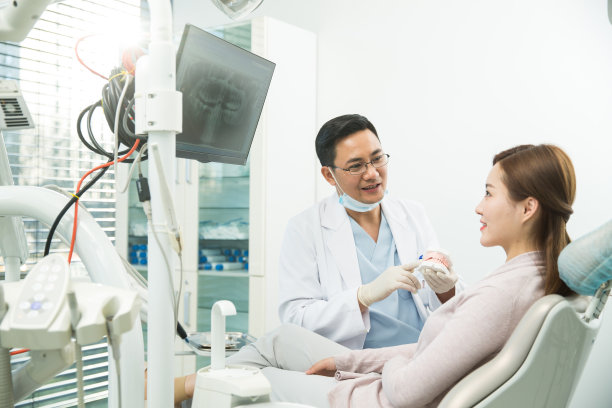
The landscape of dental implants has drastically changed due to remarkable advancements in technology. Innovations such as 3D imaging and computer-guided surgery have made placement more precise than ever. This level of accuracy minimizes the risks associated with traditional methods and enhances the likelihood of successful outcomes.
Moreover, the development of biocompatible materials is a game-changer. Titanium, which is widely used in implants, integrates extremely well with jawbone, offering heightened durability and longer-lasting results. Newer materials like zirconia are also gaining prominence due to their aesthetic properties and reduced visibility compared to metal options.
Additionally, the incorporation of regenerative medicine techniques, such as bone grafting and growth factor treatments, further improves implant success rates. These methods not only expedite healing but also ensure that the structural integrity of the jawbone is maintained, providing a solid foundation for the implant.
2. Enhanced Patient Experience and Comfort
Modern dental implant techniques prioritize the overall patient experience, making the process comparatively more comfortable. One significant improvement is the use of sedation dentistry, which alleviates anxiety and discomfort associated with procedures. This ensures that patients undergo treatment with minimal stress.
The introduction of minimally invasive techniques has also transformed how dental implants are placed. With smaller incisions and less tissue manipulation, recovery times are shortened, allowing patients to resume their daily activities swiftly. This reduction in recovery time minimizes the overall burden of dental surgery.
Moreover, digital consultations and virtual follow-ups have become standard practice, enabling patients to engage in their care without the need for frequent office visits. This convenience contributes to a more positive experience, increasing patient satisfaction above traditional methods.
3. Dental Implants and Oral Health Benefits
Dental implants play a vital role in promoting long-term oral health. First and foremost, they replace missing teeth, preventing adjacent teeth from shifting and maintaining proper alignment. This helps in preserving the structural integrity of the bite and overall dental arch.
Furthermore, dental implants stimulate the jawbone, preventing the bone loss that typically occurs after tooth loss. This stimulation is crucial to maintaining a healthy jawbone structure and preventing complications associated with bone deterioration.
Additionally, the hygiene associated with dental implants is far superior to that of traditional dentures. Patients report that maintaining their oral hygiene routine is simpler and more efficient with implants, ultimately leading to better overall dental health. This facilitates increased confidence in one’s smile and more proactive dental care.
4. The Future of Dental Care Innovations
The ongoing research and development in dental implant technology promise even brighter prospects for oral health care. Scientists are investigating new materials and techniques that could further enhance implant longevity and compatibility with human tissue.
Additionally, regenerative techniques are constantly evolving, potentially reducing the need for extensive grafting or bone augmentation procedures. Innovations such as bioactive implants, which encourage bone growth directly, are under exploration and could offer more immediate and natural integration.
Lastly, the integration of artificial intelligence in treatment planning processes is on the horizon. AI can analyze comprehensive data sets to provide personalized treatment plans, ensuring better outcomes tailored to individual patient needs. This technological leap could redefine dental implant procedures and solidify their position as the gold standard in oral health restoration.
Summary:
Throughout this article, we’ve explored the revolutionary changes that advanced dental implant techniques are bringing to oral care. From cutting-edge technology to enhanced patient experiences and significant benefits for long-term oral health, these innovations are laying the groundwork for the future of dentistry. As we anticipate further developments, its clear that a new era in oral hygiene and dental restoration is dawning, promising healthier smiles for all.
This article is compiled by Vickong Dental and the content is for reference only.
















