



Summary: Dental implants are a revolutionary solution for those struggling with tooth loss, significantly improving oral health and overall quality of life. This comprehensive guide outlines the essentials of dental implant treatments, including the procedure, benefits, recovery, and maintenance. Understanding these aspects is crucial for anyone considering this option, as it not only enhances a person’s smile but promotes better health and functionality. The following sections delve deeper into each area, providing valuable insights into dental implants and how they contribute to a healthier lifestyle.
1. Understanding the Dental Implant Procedure
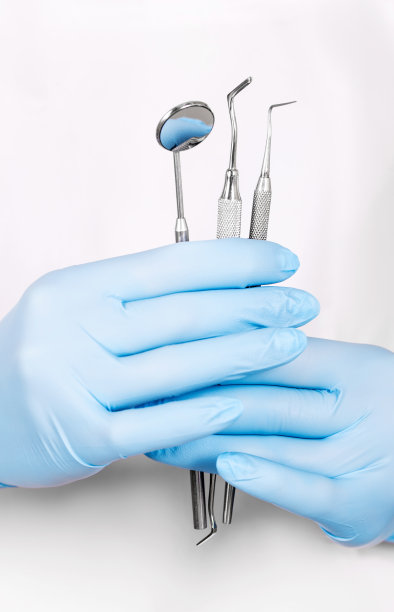
The dental implant process is a multi-step procedure that typically begins with a thorough examination by a dental professional. This evaluation is crucial to determine the patient’s oral health status and to develop a personalized treatment plan. Imaging techniques, like X-rays or 3D scans, may be used to assess bone structure and the positioning of the surrounding teeth.
Once a treatment plan is in place, the surgical placement of the implant can proceed. This phase involves inserting a titanium post into the jawbone, acting as a root for the new tooth. The surgery itself is often performed under local anesthesia, ensuring minimal discomfort during the procedure. After the surgery, patients are advised to follow specific post-operative care instructions to promote healing.
After the implant is placed, a healing period occurs, typically lasting a few months. During this time, the jawbone integrates with the implant through a process called osseointegration. Once adequate healing has occurred, an abutment is attached, followed by a custom-made crown to complete the restoration. This meticulous process ensures the implant functions just like a natural tooth, providing stability and aesthetic improvements.
2. Benefits of Dental Implants for Oral Health
Dental implants offer numerous advantages, significantly contributing to improved oral health. One primary benefit is their ability to prevent bone loss in the jaw, which often occurs after tooth loss. By providing stimulation to the jawbone similar to natural tooth roots, implants help maintain bone density and prevent further deterioration.
Another crucial benefit is the enhancement of chewing function and speech. Patients with missing teeth often experience difficulties while eating and speaking. Dental implants can restore these essential functions, allowing patients to enjoy a diverse diet and communicate effectively without fear or hesitation.
Moreover, dental implants contribute to enhanced oral hygiene. Unlike bridges, which require alterations to adjacent teeth, implants stand alone. This feature makes cleaning around them easier, reducing the risk of decay and gum disease. Proper maintenance of dental implants can lead to long-lasting results and a healthier mouth overall.
3. Recovery Time and Aftercare for Implant Patients
Post-operative recovery following dental implant placement is a critical stage that varies among individuals. Generally, patients can expect some swelling, tenderness, or discomfort in the first few days after surgery. Dentists often recommend pain relief options, along with soft food consumption to aid the healing process.
During the healing period, it is essential to follow aftercare guidelines provided by the dentist. Maintaining good oral hygiene is paramount, as it helps prevent infection at the implant site. Regular teeth brushing, along with gentle flossing around the implant, plays a significant role in ensuring successful integration.
Most patients can return to normal activities within a few days post-surgery, although full integration of the implant into the jawbone may take several months. Regular follow-up appointments with the dentist are crucial during this time to monitor healing progress and address any concerns. Proper recovery and aftercare greatly enhance the success rate of dental implant treatments.
4. Long-term Maintenance of Dental Implants
Effective long-term maintenance is essential for maximizing the lifespan of dental implants. One of the primary maintenance aspects is routine dental check-ups every six months. These check-ups help the dentist monitor the condition of the implants and surrounding gums, allowing for early detection of potential complications.
At-home oral hygiene practices are also vital in maintaining dental implants. Patients should use a soft-bristled toothbrush and non-abrasive toothpaste to clean the implant and surrounding teeth. Additionally, using interdental brushes or water flossers can help reach areas that regular brushing might miss, ensuring optimal gum health.
Finally, lifestyle factors such as quitting smoking and adopting a balanced diet can significantly influence the longevity of dental implants. Smoking is linked to a higher risk of implant failure, while a nutritious diet supports overall oral health. By combining good oral hygiene with healthy habits, patients can enjoy their dental implants for many years.
Summary:
In conclusion, understanding dental implant treatment is crucial for anyone looking to improve their smile and enhance their quality of life. From the detailed procedure to the myriad benefits, recovery, and maintenance methods, knowledge empowers patients to make informed decisions. Investing in dental implants not only regains lost functions but also supports long-term health and happiness.
This article is compiled by Vickong Dental and the content is for reference only.
















