





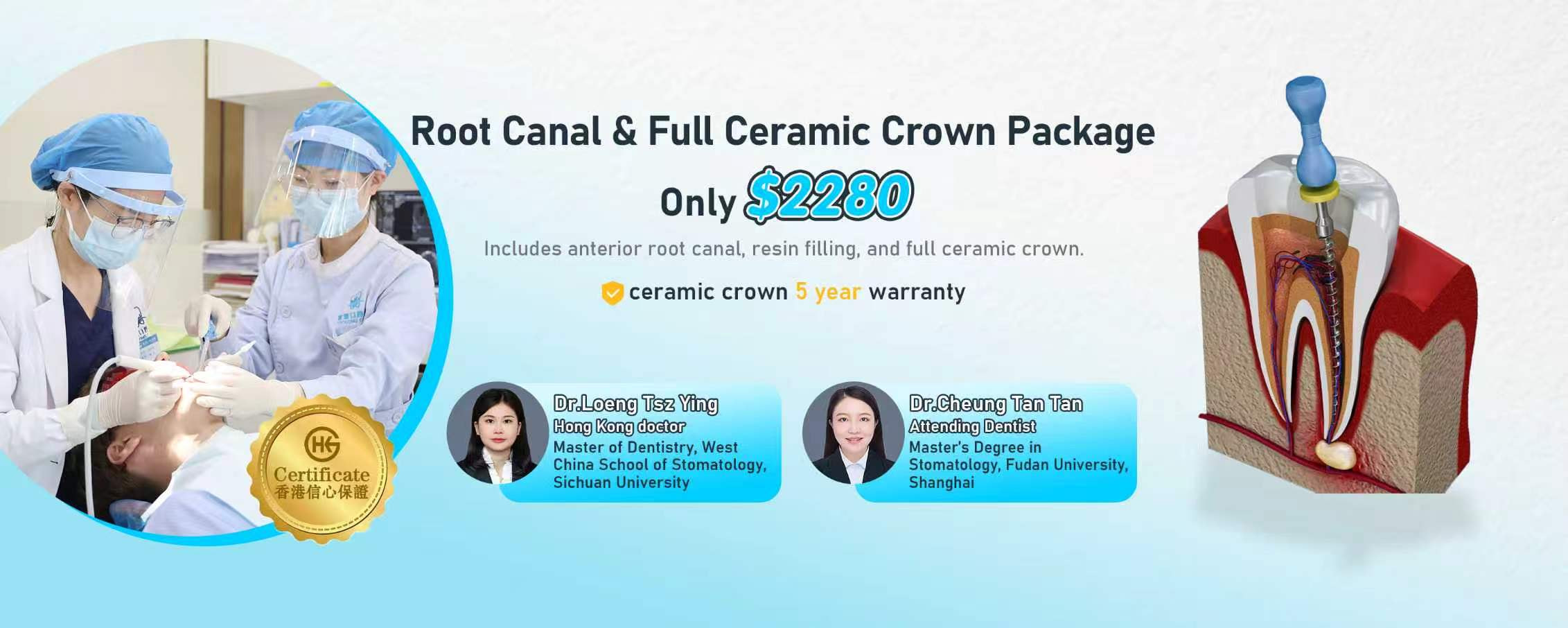


Summary: Dental implants have revolutionized modern oral restoration, offering patients a long-lasting solution to missing teeth. This comprehensive guide delves into the techniques, benefits, and advancements in dental implant technology. It highlights how dental implants serve as a foundational aspect of restorative dentistry, enhancing both function and aesthetics. Patients will discover the different types of implants available, the procedural steps involved, and the remarkable advantages they provide over traditional dentures and bridges. With a focus on patient experience and cutting-edge technology, this guide aims to empower individuals to make informed decisions about their dental health and regain their confidence with transformative smile restoration.
1. Understanding Dental Implant Basics

Dental implants serve as artificial tooth roots, providing a secure foundation for replacement teeth. They are typically made of titanium, a biocompatible material that integrates well with bone. This process, known as osseointegration, is critical for the long-term success of dental implants. Patients often choose implants due to their durability and the natural appearance they offer when compared to other restoration methods.
The types of dental implants vary, including endosteal implants, which are placed directly into the jawbone, and subperiosteal implants, positioned under the gum but above the jawbone. Dentists assess each patients unique situation to determine the most suitable type of implant. This personalized approach ensures effective treatment and satisfaction.
Moreover, dental implants are not just for people who have lost teeth due to injury or decay; individuals with natural teeth can also benefit when facing potential loss. Understanding the fundamental aspects of dental implants empowers patients to discuss options with their dentists confidently.
2. The Procedure Involved in Implant Placement
The dental implant process typically involves several steps, beginning with a comprehensive evaluation. This may include X-rays and 3D imaging to assess bone density and structure, crucial for successful implantation. An individualized treatment plan is then formulated, tailored to the patient’s specific needs.
Following the assessment, the first surgical phase involves implant placement, where the titanium post is inserted into the jawbone. After this procedure, a healing period is essential, allowing the bone to fuse with the implant. This can take a few months, during which a temporary crown may be placed to maintain aesthetics.
After successful integration, the second phase entails attaching an abutment, connecting the implant to the final restoration, such as a crown or bridge. The entire process, while requiring patience, ultimately results in a functional and aesthetically pleasing smile.
3. The Benefits of Choosing Dental Implants
Dental implants offer numerous benefits beyond cosmetic improvement. One of the most significant advantages is improved speech. Unlike dentures, which can slip and affect articulation, implants function like natural teeth, allowing for clear and confident speech.
Furthermore, dental implants restore chewing efficiency. Traditional methods may limit dietary options, but implants provide the stability needed to enjoy a wide variety of foods without discomfort. This enhancement in chewing capability directly contributes to an improved quality of life.
Additionally, dental implants can prevent bone loss, a common consequence of missing teeth. By stimulating the jawbone, they help maintain its structure and prevent facial sagging, which typically occurs with tooth loss. Overall, the long-term benefits of implants significantly surpass those of temporary solutions.
4. Advancements in Dental Implant Technology
Recent advancements in dental implant technology have further elevated the effectiveness and efficiency of the procedure. Innovations such as computer-guided implant surgery allow for precise placement, minimizing discomfort and reducing recovery time. This technology enhances safety and ensures optimal outcomes for patients.
Moreover, developments in implant materials and surface treatments have improved osseointegration rates. State-of-the-art titanium implants with specially designed surfaces promote better bone growth, contributing to a more stable and lasting implant. These advancements have provided patients with a higher success rate and confidence in their restorative journey.
Another area of innovation is the use of 3D printing techniques in creating dental implants and prosthetics. This technology enables personalized designs tailored to each patient’s anatomical needs, leading to more effective and comfortable restorations. The future of dental implants looks promising, with continuous developments enhancing the experience and outcomes for patients.
Summary:
This article has explored the transformative role of dental implants in modern oral restoration, detailing the fundamental aspects of the procedure and its numerous benefits. By understanding the process and advancements in technology, patients can make informed choices for restoring their smiles with confidence.
This article is compiled by Vickong Dental and the content is for reference only.
















