







Summary: Dental implants represent a revolutionary advancement in oral health care, offering an innovative solution for missing teeth. This comprehensive guide delves into the essential phases of successful dental implant treatment, from initial consultation and procedure to post-operative care. By covering the critical steps involved before, during, and after the treatment process, patients can make informed decisions to enhance their oral health. The guide is structured to empower individuals to understand each aspect of dental implants, ensuring long-lasting results and optimal aftercare.
1. Understanding Dental Implants and Their Benefits
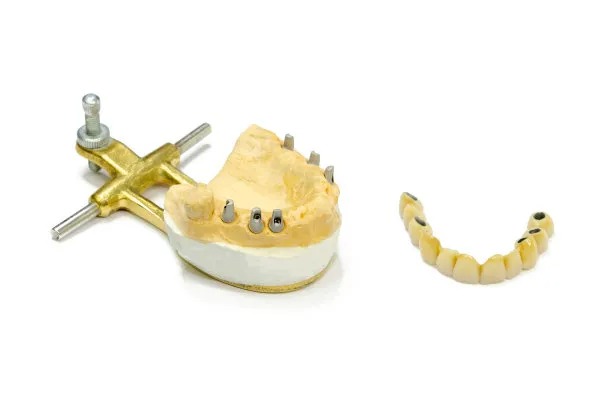
Dental implants are artificial tooth roots, typically made from titanium, that are embedded into the jawbone. They serve as stable foundations for replacement teeth, which are crafted to look and function like natural teeth. One of the primary benefits of dental implants is their durability; with proper care, they can last a lifetime, providing a cost-effective solution over time compared to traditional dentures or bridges.
Another significant advantage is their ability to preserve jawbone density. When a tooth is lost, the surrounding bone can deteriorate over time. Implants stimulate the bone, maintaining its volume and strength, which is crucial for overall oral health. This also helps avoid the sunken appearance often associated with tooth loss. In addition, they enhance aesthetic appeal, allowing individuals to smile with confidence.
Dental implants also improve functional capabilities, enabling patients to chew and speak without discomfort. Unlike removable dentures, implants eliminate the fear of slippage or movement during eating or speaking, contributing to a better quality of life. Overall, understanding these benefits sets the stage for considering dental implants as a viable option for restoring oral health.
2. The Process of Receiving Dental Implants
The process of receiving dental implants begins with a comprehensive dental evaluation, which may include X-rays and 3D imaging to assess the condition of the jawbone. This initial consultation allows the dentist to outline a personalized treatment plan, taking into account factors such as bone density, existing oral health, and patient preferences.
Once the planning phase is complete, the surgical procedure can take place. During this procedure, the implant is surgically placed into the jawbone through a minimally invasive technique. Patients may receive local anesthesia to ensure comfort. After implantation, a healing period is necessary, lasting from a few weeks to several months, allowing the bone to fuse with the implant—a process known as osseointegration.
Finally, after the healing period, the dentist will attach a crown to the implant, completing the restoration. Regular follow-up visits are crucial to monitor healing and ensure the implant is functioning properly. Overall, the entire process requires careful planning, skilled execution, and ongoing maintenance to achieve the best results.
3. Essential Aftercare Steps for Optimal Results
Aftercare is critical to the longevity and success of dental implants. Immediately following the procedure, patients should follow their dentists post-operative instructions, which commonly include pain management and dietary adjustments. Soft foods are typically recommended, along with avoiding hard or sticky items that could jeopardize the healing process.
Maintaining excellent oral hygiene is essential to prevent infections and ensure the success of the implant. Brushing and flossing should continue regularly, and using an antimicrobial mouthwash can further enhance oral cleanliness. Regular dental check-ups are necessary to monitor the health of the implant and surrounding teeth, ensuring any issues are addressed promptly.
Patients should also avoid harmful habits such as smoking or excessive alcohol consumption, which can impair healing and contribute to implant failure. By adhering to these aftercare steps, individuals can significantly enhance their chances of enjoying the full benefits of their dental implants for many years to come.
4. The Long-Term Impact of Dental Implants
The long-term impact of dental implants extends beyond physical health; it profoundly affects emotional well-being. Many patients experience a boost in self-esteem and confidence as a result of having a complete smile that looks natural. This change can enhance personal relationships and professional opportunities, underscoring the holistic benefits of treatment.
Dental implants are also recognized for their economic advantages. Although they may require a higher initial investment compared to traditional dentures, the durability and lower maintenance costs associated with implants often make them a more economical choice in the long run. Patients find that they save money over time by avoiding frequent replacements or repairs associated with removable devices.
Moreover, advancements in dental technology continue to refine the procedures and materials associated with implants, ensuring better outcomes than ever before. As research progresses, the reliability and effectiveness of implants will only increase, solidifying their role as a leading solution for oral health restoration in the future.
Summary:
Dental implants represent a significant evolution in restoring oral health, blending technology, expertise, and comprehensive care. Individuals are encouraged to explore this option, understanding its wide-reaching benefits, procedural requirements, and necessary aftercare steps. This investment in dental health not only enhances quality of life but also sets the foundation for a confident future.
This article is compiled by Vickong Dental and the content is for reference only.
















