






Summary: This article delves into the latest advancements in dental implant treatments that significantly enhance oral health and restore smiles for patients globally. It begins by discussing the technological improvements that have revolutionized the procedures, followed by the effectiveness of different implant materials. The article highlights innovative surgical techniques that ensure better outcomes and patient comfort. Finally, it addresses the role of post-operative care, including the importance of patient education to maintain long-term oral health. Through these perspectives, the article underlines the transformative potential of dental implants in modern dentistry.
1. Technological Innovations in Dental Implants
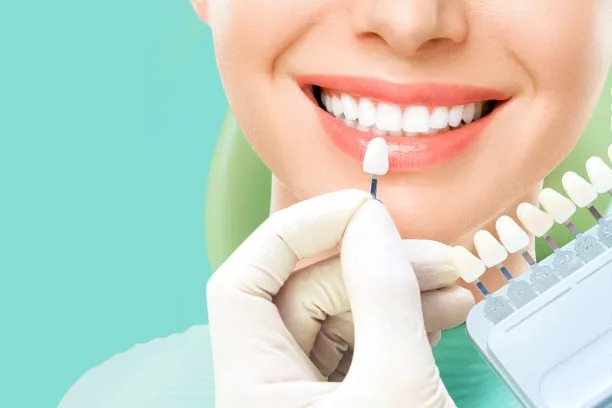
Recent advancements in dental implant technology have been pivotal in improving treatment outcomes. Digital imaging and 3D printing are leading innovations that allow for precise planning and customization of implants. These tools enable dental professionals to create tailored implants that fit perfectly into the patients unique oral anatomy, minimizing complications and enhancing functionality.
Another significant development is the use of computer-guided surgery, which aids in the accurate placement of dental implants. This minimally invasive technique reduces patient discomfort, shortens recovery time, and increases the overall success rate of the procedure. With these technological innovations, patients can expect a more efficient implant process with predictable results.
Furthermore, the advent of artificial intelligence in dentistry is helping clinicians to better analyze patient data and predict treatment outcomes. AI algorithms can assist in diagnosing issues that may not be immediately obvious, ensuring that every aspect of patient care is optimized. These innovations lead to enhanced patient experiences and better long-term results.
2. Materials Enhancing Implant Performance
The choice of materials used in dental implants has evolved greatly, impacting their durability and integration into the jawbone. Titanium remains a popular choice due to its excellent biocompatibility and strength. However, new materials such as zirconia are gaining traction as they offer aesthetic benefits by blending in with natural teeth and providing resistance to corrosion.
Emerging materials and coatings, like hydroxyapatite, promote quicker bone healing and integration, allowing for faster recovery. This is essential for patients who may face time constraints or those who are impatient to restore their smiles. The right materials can greatly enhance the success of the implant and the patients overall satisfaction.
Moreover, the development of bioactive materials is revolutionizing implant research. These materials not only support biological healing but also stimulate bone growth. With continued research into these innovative materials, the future of dental implants looks promising for enhanced effectiveness and improved patient outcomes.
3. Innovative Surgical Techniques for Implant Placement
Innovations in surgical techniques for dental implants have significantly reduced risks associated with traditional procedures. Techniques like guided implant surgery and flapless surgery minimize the trauma to surrounding tissues, resulting in quicker recovery times and less post-operative complications. These methods have gained popularity among practitioners seeking to enhance patient comfort.
Additionally, the use of sedation dentistry has transformed the patient experience. Many patients report anxiety associated with dental procedures, and advancements in sedation techniques allow for a more relaxing environment. Patients can undergo implant surgery without overwhelming stress, making the overall experience much more pleasant.
Furthermore, immediate loading implants, where dental crowns can be placed on the same day as the surgery, represent a significant advancement. This approach decreases the waiting time for patients, allowing them to leave the clinic with a complete smile after a single appointment. These innovative surgical methods are reshaping the landscape of dental implant treatment.
4. Importance of Post-Operative Care and Education
Post-operative care is crucial to the long-term success of dental implants. Patients must adhere to specific aftercare instructions to ensure proper healing and implant integration. This includes guidelines on oral hygiene, dietary restrictions, and the importance of follow-up appointments. Proper education empowers patients to take charge of their oral health post-surgery.
Moreover, regular monitoring and maintenance of dental implants are essential. Dental professionals play a key role in assessing the implants condition and addressing any potential issues early on. This collaborative effort between patients and their dental teams can greatly extend the life of the implants.
Additionally, educating patients about lifestyle factors, such as smoking cessation and diet, is vital for maintaining oral health. These lifestyle changes can improve overall outcomes and ensure that patients enjoy their restored smiles for years to come. The role of education in conjunction with post-operative care cannot be overstated.
Summary: The exploration of advances in dental implant treatment highlights the myriad of improvements that have occurred in recent years. From technological innovations and material advancements to innovative surgical techniques and the critical role of post-operative care, each aspect contributes to more successful outcomes for patients seeking to restore their smiles. The future of dental implants promises continued enhancements, ensuring that individuals worldwide can achieve optimal oral health and aesthetics.
This article is compiled by Vickong Dental and the content is for reference only.
















