




**Does Getting Dental Work Done in Chinese Mainland Affect Your Pronunciation?**
In recent years, many Hong Kong residents have opted to travel to Chinese Mainland cities like Shenzhen for dental treatments. The reasons vary—some find the commute convenient, while others are curious about different dental techniques or have received recommendations from friends. However, a common concern is whether dental work might affect ones pronunciation, especially for those who frequently speak Cantonese, fearing that their articulation might become imprecise or their speech might sound unusual. Today, lets delve into this topic.
**Factors Affecting Pronunciation Post-Dental Work**
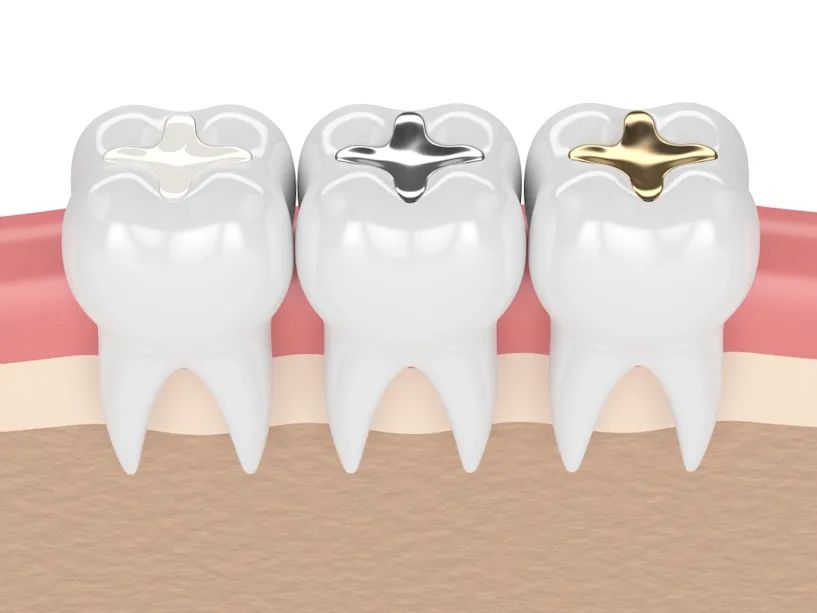
Firstly, its crucial to understand that dental work encompasses various procedures, such as filling cavities, repairing chipped teeth, installing crowns, or bridges. The impact on pronunciation can vary depending on the type of treatment. Generally, dental work on the chewing surfaces or molars has minimal effect on speech. However, procedures involving the front teeth, canines, or teeth closer to the front can slightly alter articulation and pronunciation. This is particularly relevant in Cantonese, where many initial sounds, like "z," "c," and "s," rely on the front teeth.
**Initial Adjustment Period**
Regardless of whether the dental work is done in Hong Kong or Chinese Mainland, there might be an adjustment period post-treatment. The shape and smoothness of the treated teeth differ from before, requiring the tongue and lips to adapt to new contact points. Newly treated teeth, especially crowns or veneers, might feel smoother or slightly different, necessitating a period for the tongue to adjust during speech. Initially, some words might sound peculiar, but typically, within two to three days or a week, speech returns to normal.
**The Relationship Between Pronunciation and Dental Structure**
Cantonese pronunciation heavily relies on the coordination between teeth and tongue. For instance, the "f" sound requires the lower lip to gently touch the upper teeth, while sounds like "z," "c," and "s" need an optimal distance between teeth and
tongue. If dental work alters this distance, initial pronunciation might be slightly off. However, as long as the dentists skills are proficient and the dental work closely mimics the original tooth shape, any impact is usually temporary.
**Considerations for Dental Work in Chinese Mainland**
Some individuals worry about communication barriers when getting dental work done in Chinese Mainland. Fortunately, many dental clinics have professionals who speak Cantonese or Mandarin, facilitating straightforward communication. If precise pronunciation is a priority, inform the dentist about your frequent speaking engagements or work requirements that demand clear articulation. This ensures the dentist pays extra attention to the shape and details of the restoration.
Additionally, follow the dentists post-treatment advice, such as avoiding hard foods immediately, maintaining oral hygiene, and attending regular follow-ups. Keeping your teeth healthy and stable naturally supports good pronunciation.
**Psychological Factors Are Important Too**
Sometimes, individuals perceive a decline in their pronunciation post-dental work due to psychological factors. Increased awareness of ones oral cavity after treatment can make one notice minor differences. However, during everyday conversations, others might not detect any changes. If you feel uneasy, practice commonly used words and sentences to help you adapt more quickly.
**Conclusion**
Does getting dental work done in Chinese Mainland affect pronunciation? The answer is—there might be a slight impact, but its usually temporary during the adjustment period. By selecting a skilled dentist and clearly communicating your needs, the dental work can closely resemble your original teeth, ensuring no long-term effects on speech. The key is to maintain oral health and not delay treatment due to pronunciation concerns. After all, dental health is foundational, and natural pronunciation will follow.
If youre planning dental work in Chinese Mainland soon, prepare by noting key considerations to ensure a smooth treatment process without affecting your daily communication or smile.
















