







**Will Dental Fillings Improve Bad Breath?**
In recent years, many Hong Kong residents have opted to travel to the Chinese Mainland for dental treatments, including fillings. A common concern among them is whether getting a dental filling will significantly improve bad breath. To address this question, its essential to understand the relationship between oral health and halitosis.
Bad breath can be attributed to various factors, including dietary habits and the consumption of strong-flavored foods. However, dental issues like tooth decay are also major contributors. Cavities create spaces where food particles can accumulate, and regular brushing may not completely clean these areas. Over time, bacteria break down these food residues, releasing odorous gases that lead to unpleasant breath.
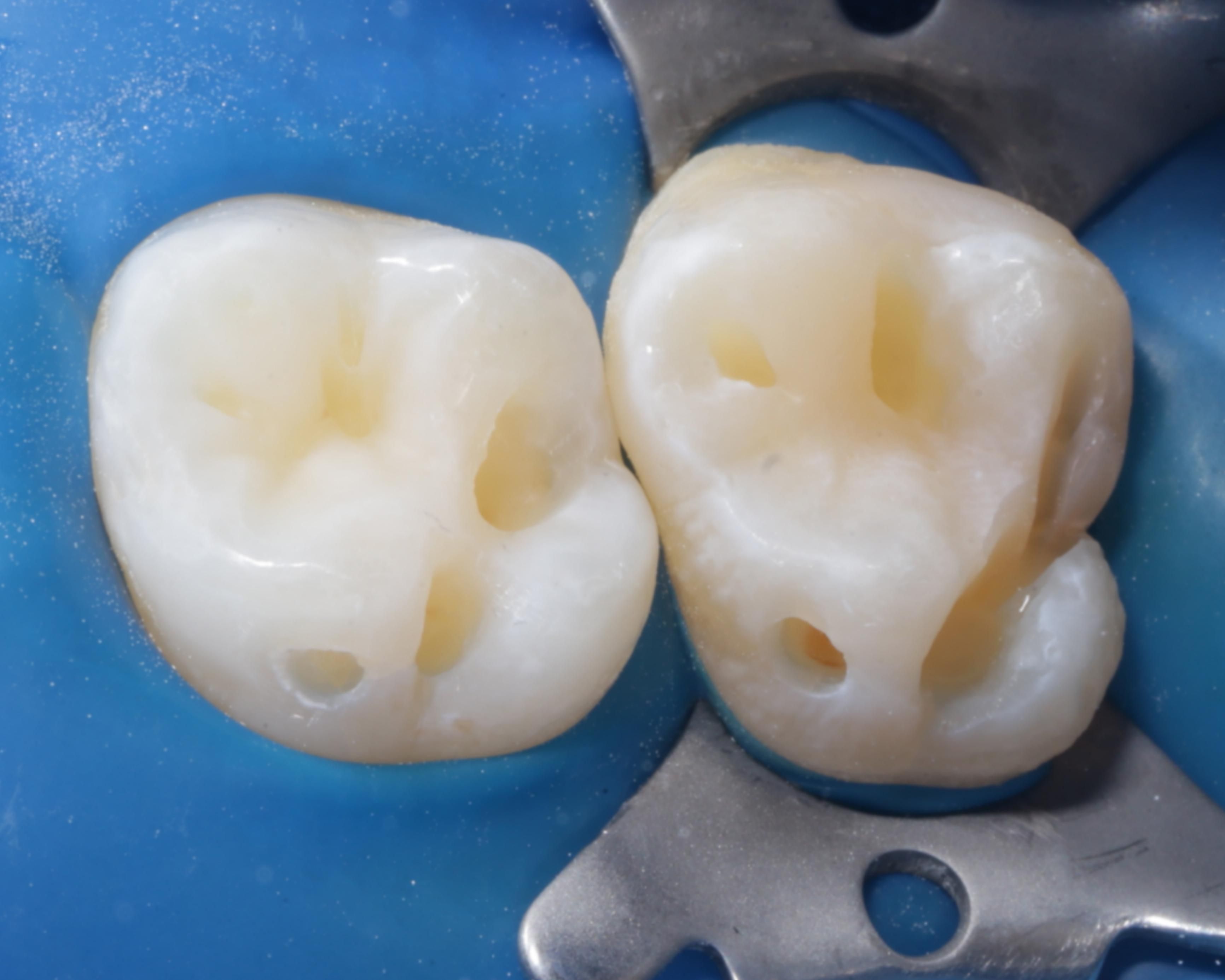
The dental filling procedure involves removing decayed portions of the tooth and filling the cavity with suitable materials to prevent further bacterial invasion. This process reduces the chances of bacteria thriving in the tooth cavity, which can naturally help improve breath. However, the extent of improvement depends on whether the bad breath is primarily caused by tooth decay.
Some individuals notice an immediate improvement in breath after getting fillings, mainly because the affected tooth previously harbored significant debris. Once addressed, the bacterial count in the mouth decreases, resulting in fresher breath. Nonetheless, if bad breath stems from other issues like excessive tartar, gingivitis, thick tongue coating, or digestive problems, fillings alone may not completely resolve the issue.
Post-filling care is crucial. After returning from the Chinese Mainland, maintaining good oral hygiene is essential. Brush your teeth at least twice daily and use dental floss or interdental brushes to remove food particles between teeth. Bad breath often results from small food particles and bacteria lingering in the mouth, especially if oral cleaning is neglected before bedtime, leading to unpleasant odors in the morning.
Furthermore, the difference between dental fillings in the Chinese Mainland and Hong Kong is no
t about the skill level but rather the comprehensive examination that might be scheduled. During these check-ups, dentists may identify other issues requiring attention, such as scaling or treating gingivitis. These additional treatments can aid in improving breath, as periodontal health is closely linked to halitosis.
Its important to note that the choice of filling materials and techniques can impact the outcome. Well-sealed materials effectively prevent food from getting trapped in the filling area, reducing bacterial build-up. Conversely, if the materials seams are not smooth or the shape is not ideal, food may easily become lodged, potentially causing breath issues even after the filling.
Some people worry about the risks associated with dental treatments in the Chinese Mainland. However, choosing a reputable dental clinic ensures that the risks are not higher than those locally. After returning from the Chinese Mainland, its advisable to document examination results for future reference, facilitating follow-up by yourself or local dentists. This way, if bad breath recurs, the cause can be traced, preventing it from developing into more complex dental issues.
In conclusion, if your bad breath is indeed due to tooth decay, getting a filling in the Chinese Mainland may help improve the situation, with potential long-term benefits. However, if other factors contribute to bad breath, a comprehensive approach is necessary, including regular dental cleanings, mindful eating, and increased water intake. While fillings are a step towards fresher breath, they are not the sole solution; a holistic oral care routine is required to maintain lasting freshness.
Therefore, if you plan to travel to the Chinese Mainland for dental fillings, consider undergoing a comprehensive examination to understand the root causes of your bad breath. By improving dental health and oral environment simultaneously, you can confidently interact with friends and colleagues without worrying about bad breath, ensuring a smile and conversation with confidence. After all, dental health and fresh breath are vital aspects of daily life.
















