




**What to Expect One Year After Dental Fillings in Chinese Mainland**
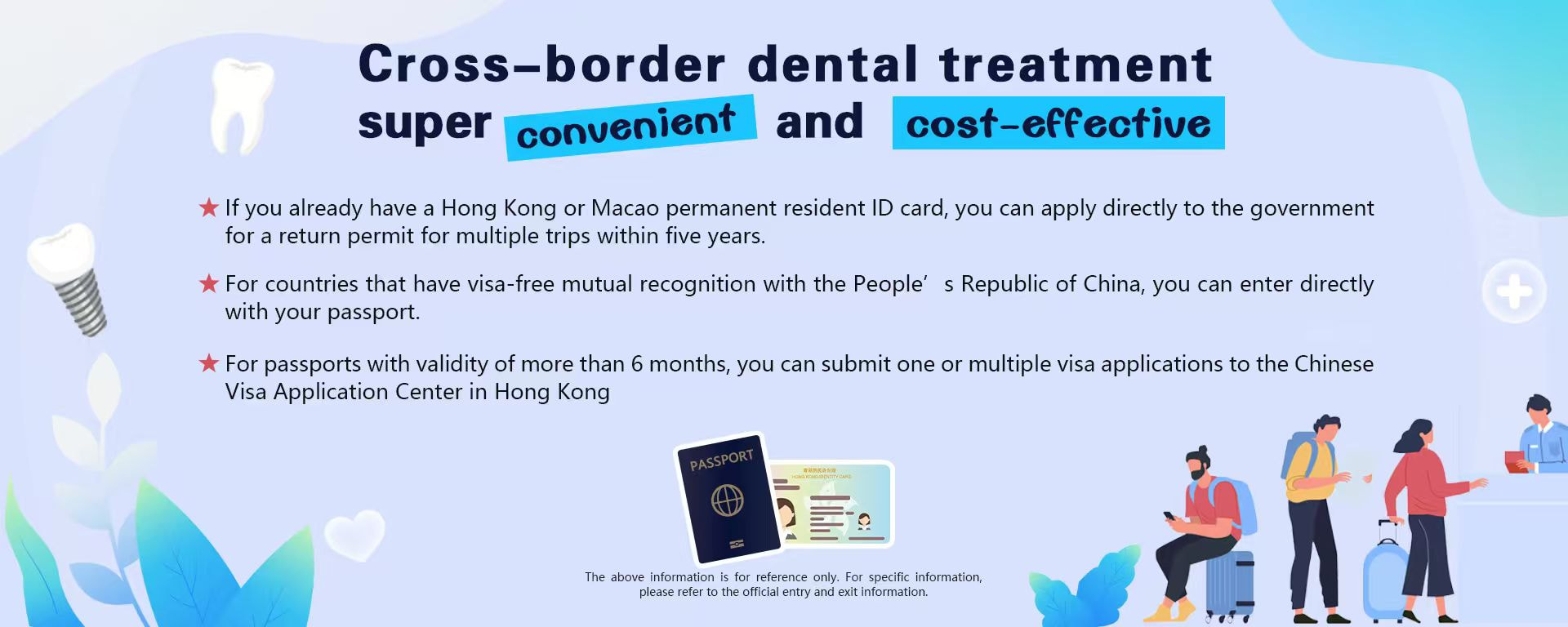
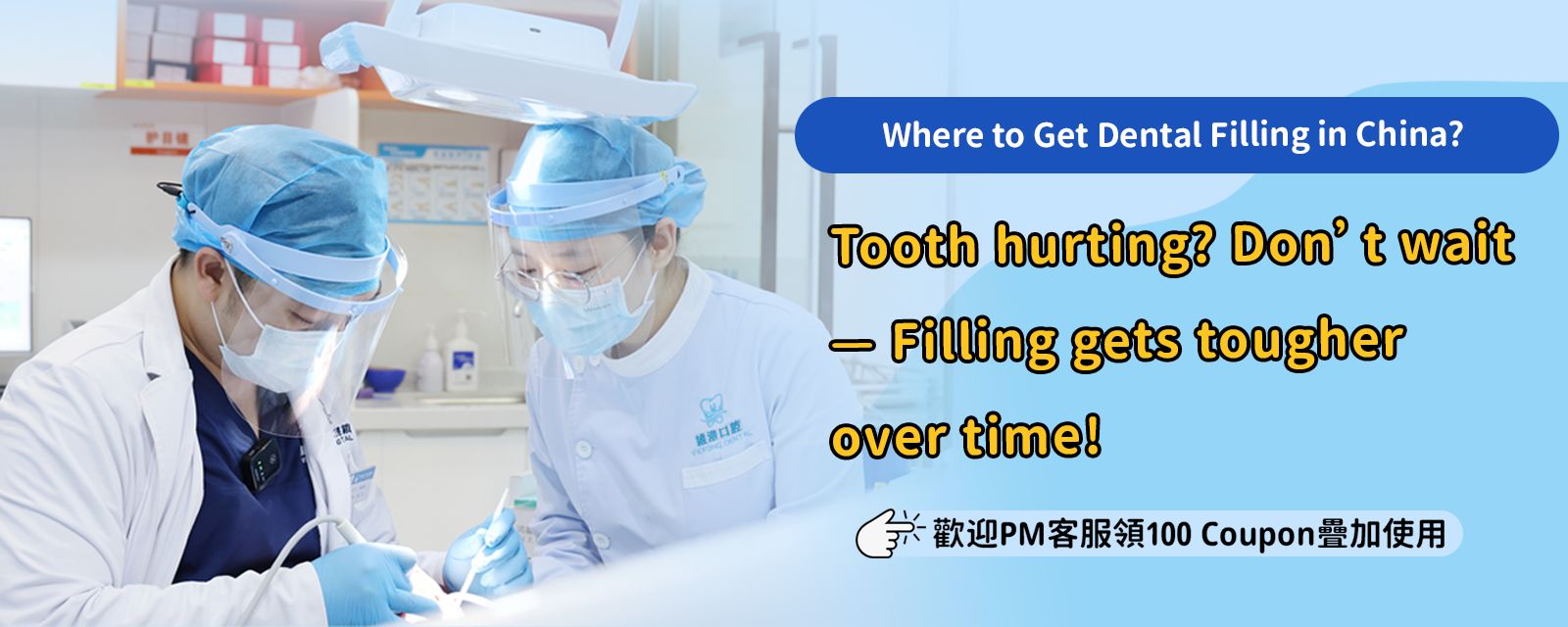
In recent years, many Hong Kong residents have opted for dental treatments in Chinese Mainland, with Shenzhen being particularly popular due to its professional and attentive dentists and state-of-the-art facilities. However, getting a dental filling is not a one-time fix; changes can occur a year after the procedure. If youre considering or have already had dental work done in Chinese Mainland, heres what you need to know about follow-up care one year later.
**Changes in Dental Health One Year Later**
Dental fillings involve removing decayed parts of a tooth and filling the space with dental material. If the initial treatment was performed well and oral hygiene is maintained, the filling should remain stable. However, factors like dietary habits, bite force, and personal hygiene can affect the longevity of the filling. Some people notice slight discoloration, often due to coffee, tea, or tobacco stains, rather than the dentists technique.
Additionally, if the decay was close to the nerve, you might experience minor sensitivity or occasional pain when biting a year later. This could be due to the wear between the filling material and natural tooth tissue or nerve irritation that hasnt fully healed.
**The Importance of Regular Check-Ups**
After a year, its advisable to have a dental check-up, even if you had your filling done in Chinese Mainland. Dental health requires ongoing maintenance, especially after fillings, to ensure the material hasnt dislodged or cracked and that no new decay has formed. Often, the tooth surface may appear fine, but tiny gaps between the filling and the natural tooth can trap food particles, leading to secondary decay.
**Adjusting Dietary Habits**
To maintain the integrity of your dental fillings, pay attention to your diet. Reduce the intake of hard foods, such as nuts with hard shells or ice cubes, which can damage the filling. Foods that are overly acidic or sweet c
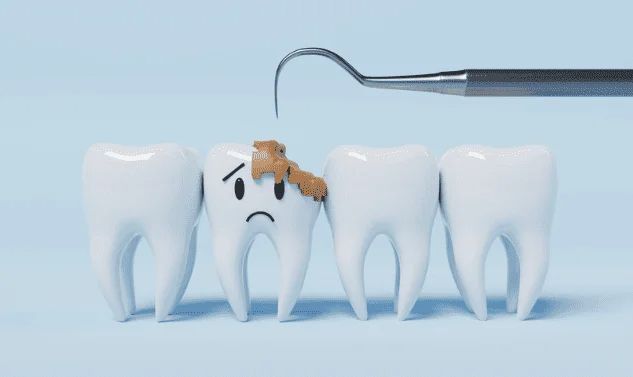
an also cause minor erosion on the tooth surface, potentially affecting the durability of the filling over time.
Drinking plenty of water to keep your mouth moist and rinsing after consuming sweets can lower the risk of acid erosion and decay. These simple habits require minimal effort but greatly benefit dental health.
**Oral Hygiene Practices**
Beyond daily brushing, special attention should be given to the area around the fillings. Use dental floss to clean between teeth and prevent food residue from lingering. Opt for a soft-bristled toothbrush to avoid damaging gums and the edges of the filling. If you use an electric toothbrush, choose a mode with gentle vibrations to maintain the stability of both your teeth and fillings.
**Mindset and Lifestyle Approach**
Minor wear or discoloration of fillings after a year doesnt signify failure; its a normal part of life. Think of your teeth like the flooring in your home, which shows marks over time. The key is regular maintenance and check-ups. Some people delay check-ups due to inconvenience, turning small issues into major problems. Remember, dental issues should be addressed promptly.
**Combining Follow-Up Care in Chinese Mainland and Hong Kong**
While dental treatments in Chinese Mainland offer variety and advanced equipment, follow-up visits may not be convenient for everyone. If you have a busy schedule, consider having basic check-ups in Hong Kong and arrange for repairs in Chinese Mainland if necessary. This approach combines the strengths of both locations, ensuring dental health without wasting time.
In summary, a year after getting dental fillings in Chinese Mainland, maintaining good hygiene habits, regular check-ups, mindful eating, and avoiding hard foods are crucial. By following these practices, your fillings can last for many years, and your overall dental health will remain unaffected. Dental health is a long-term investment; getting a filling is not the end of the story but the beginning of ongoing care.
















