





**Are There Any Side Effects of Dental Fillings in Chinese Mainland?**
In recent years, many Hong Kong residents have opted to travel to Chinese Mainland cities like Shenzhen, Guangzhou, and others for dental treatments, with dental fillings being one of the most common procedures. The reasons are straightforward: flexible scheduling, a wide range of services, and modern clinics with comfortable environments. However, a common concern remains: are there any side effects after getting a dental filling?
**What Does Dental Filling Mean?**
Dental filling involves removing decayed tissue from a tooth and filling the cavity with dental materials to prevent further decay and maintain the tooths functionality. Common materials include resin, amalgam, or advanced composites, each offering different levels of effectiveness and durability.
**The Process of Getting Dental Fillings in Chinese Mainland**
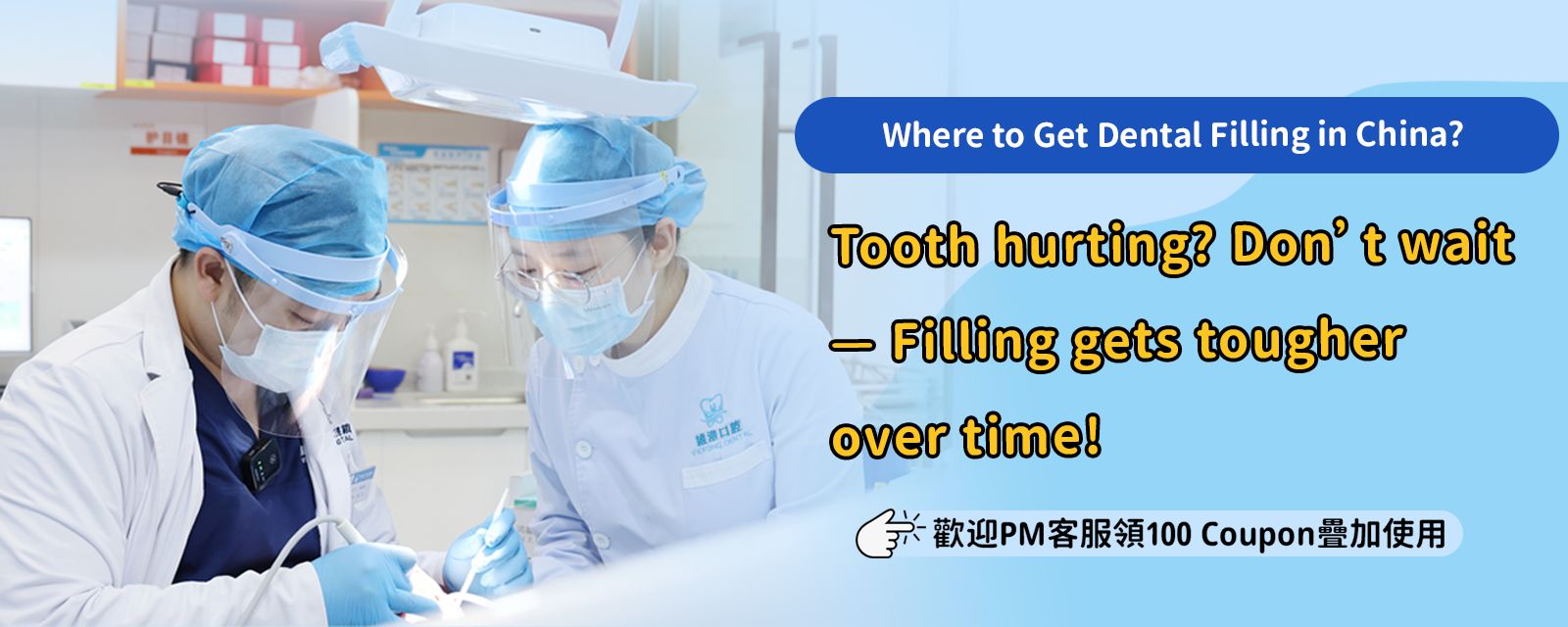
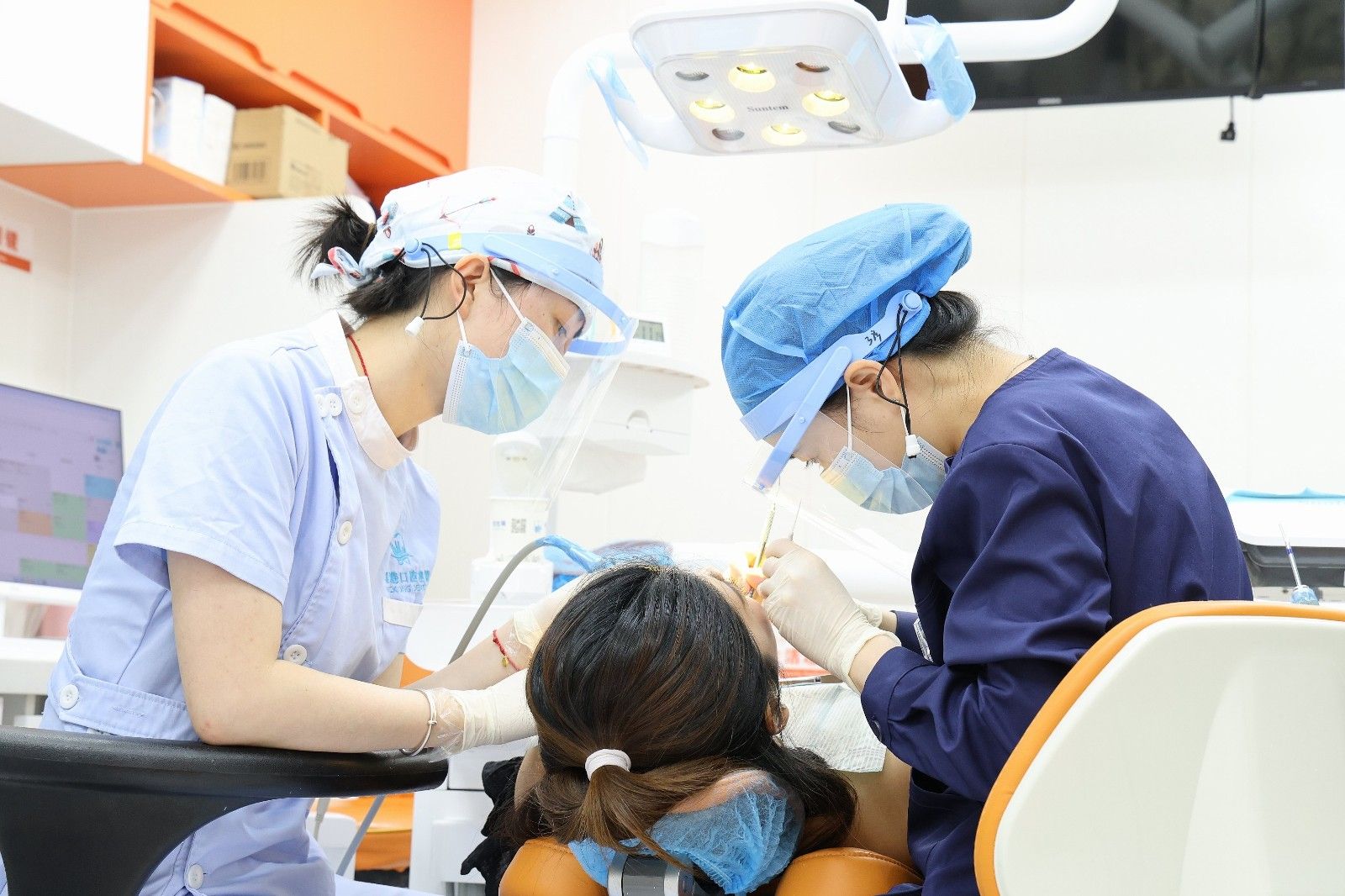
The dental filling process in Chinese Mainland is generally similar to that in Hong Kong. Initially, the dentist examines the teeth and takes X-rays to determine the extent of decay. The decayed area is then cleaned, sometimes requiring anesthesia to minimize discomfort. After cleaning, the dentist fills the cavity with suitable materials, shapes it according to the tooths contour, and polishes the surface to ensure smoothness and prevent bite issues.
**Immediate Discomfort After Dental Fillings**
Post-procedure, some individuals may experience mild soreness or sensitivity to hot and cold, which is a normal reaction that typically subsides within a few days to two weeks. If the filling is deep and near the nerve, the sensitivity may last longer. Persistent or worsening pain should prompt a visit to the dentist, as it could indicate pulpitis or material displacement.
**Understanding "Side Effects"**
In most successful dental fillings, long-term issues are rare. However, complications may arise due to imprecise techniques or complex dental conditions, such as:
1. **Prolonged Sensitivity to Temperature**: This may occur if the material does not adhere well to the too
th surface or if the tooth has pre-existing cracks.
2. **Bite Discomfort**: If the height of the filling is not properly adjusted, it can lead to a sensation of "high tooth" during chewing, which can be corrected with further polishing.
3. **Secondary Decay**: Poor sealing between the filling material and the tooth can trap food particles, leading to further decay.
4. **Pulpitis**: If decay was close to the nerve before filling, inflammation may occur, necessitating root canal treatment.
**Precautions for Getting Dental Fillings in Chinese Mainland**
Before heading to Chinese Mainland for dental fillings, its advisable to verify the clinics credentials, the dentists experience, and the quality of materials used. Some patients bring X-rays for reference to save examination time. After the procedure, avoid biting hard objects or consuming extremely hot or cold foods immediately. Upon returning to Hong Kong, maintain good oral hygiene with regular brushing and flossing to minimize residue buildup.
**How to Minimize Risks**
1. **Choose Reputable Clinics**: Online reviews and personal recommendations are valuable resources.
2. **Communicate Dental History**: Inform the dentist of any sensitivities, cracks, or previous root canal treatments.
3. **Regular Check-ups**: Dental fillings dont mean the end of dental care; biannual check-ups are recommended, even without pain.
4. **Timely Treatment of Decay**: Early intervention leads to smaller cavities, higher success rates, and lower risks.
**Conclusion**
Traveling to Chinese Mainland for dental fillings offers a convenient and varied option for many Hong Kong residents, and is generally safe and effective. However, since dental fillings involve structural repairs, factors like materials, technique, and personal care can impact outcomes. Like any medical procedure, thorough preparation, choosing the right dentist, and post-treatment care can significantly reduce the chances of side effects. Remember, proactive dental care and maintaining good oral hygiene are key to preventing and minimizing dental issues.
















