




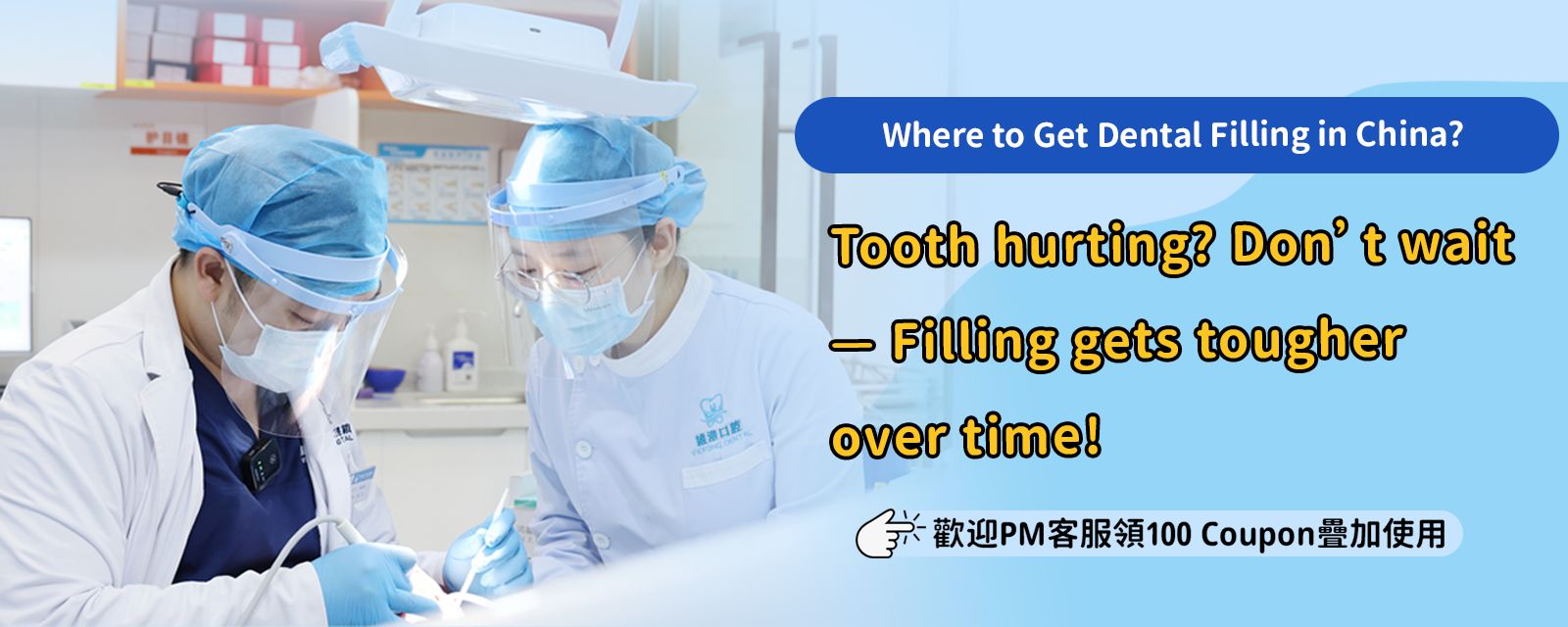
**How Long Should You Eat Soft Foods After Dental Fillings in Chinese Mainland?**
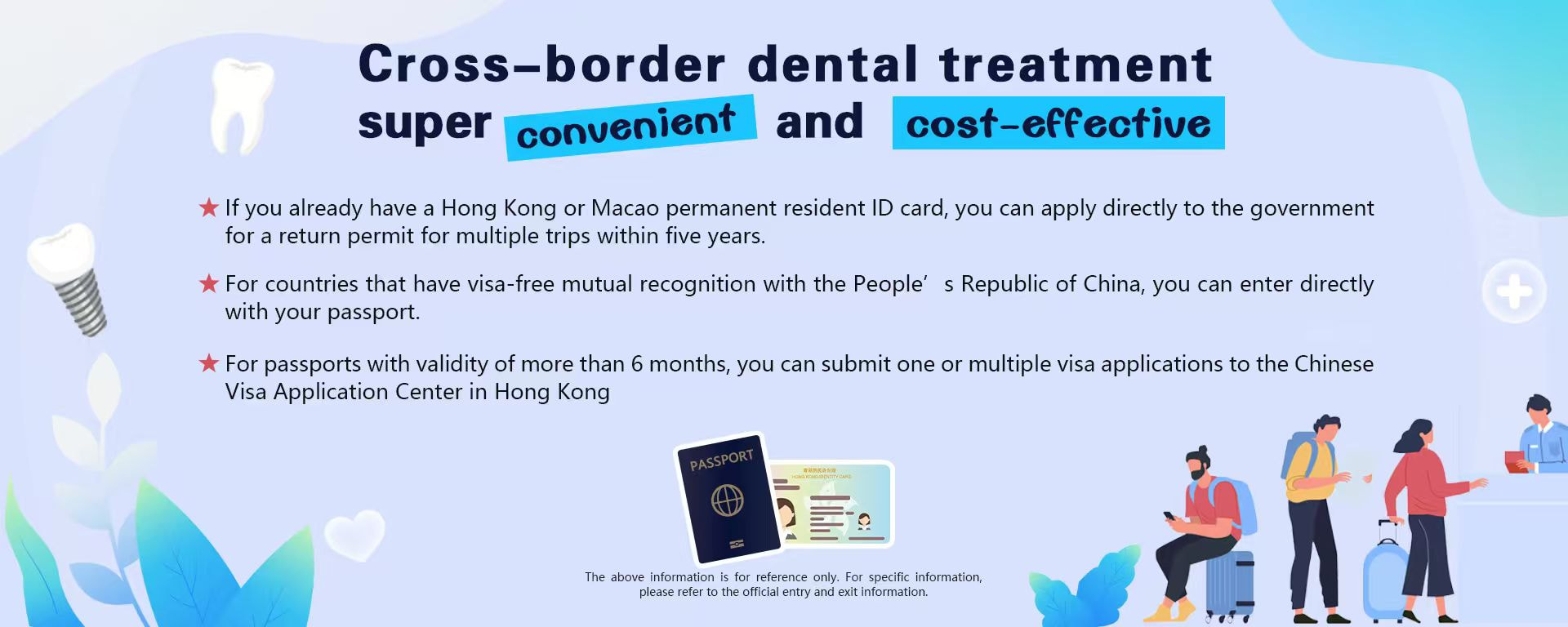
In recent years, many Hong Kong residents have opted to travel to the Chinese Mainland for dental treatments. The reasons are numerous, including convenient transportation, flexible appointment scheduling, and a wide range of service options. Whether youre visiting Shenzhen, Dongguan, or other cities in Guangdong, a dental trip often resolves long-standing dental issues in one go. However, post-filling care is crucial, especially when it comes to diet. Eating the right foods can significantly impact the success of your treatment and protect the investment youve made in your dental health.
**Why Eat Soft Foods After a Filling?**
Dental fillings involve placing restorative materials on your teeth to restore their normal shape and function. Immediately after a filling, especially when composite resin or other materials that require time to harden are used, your teeth and gums may still be sensitive. Additionally, dental procedures can cause mild soreness around the treated area. Consuming hard or chewy foods during this recovery period can put undue pressure on the filled area, affecting how well the material bonds with your tooth. Therefore, dentists typically recommend sticking to a soft food diet for a few days following the procedure.
**How Long Should You Stick to Soft Foods?**
Under normal circumstances, if the filling is for a minor surface cavity, the material hardens quickly, and you can resume normal eating within a few hours. However, to ensure safety and treatment quality, many dentists advise maintaining a soft food diet for at least one to two days. This period allows your teeth to adapt and recover. Soft foods reduce chewing intensity, minimizing the risk of the filling cracking or loosening. For deeper treatments, such as those near the dental pulp, the recovery period may be longer, requiring a soft food diet for three to five days, depending on your personal condition and your dentists advice.
**What Constitutes a Soft Food Diet?**
Soft foods are those that are easy to chew and require minimal effort. Examples include congee, rice porridge, steamed eggs, soft noodles, well-cooked vegetables,
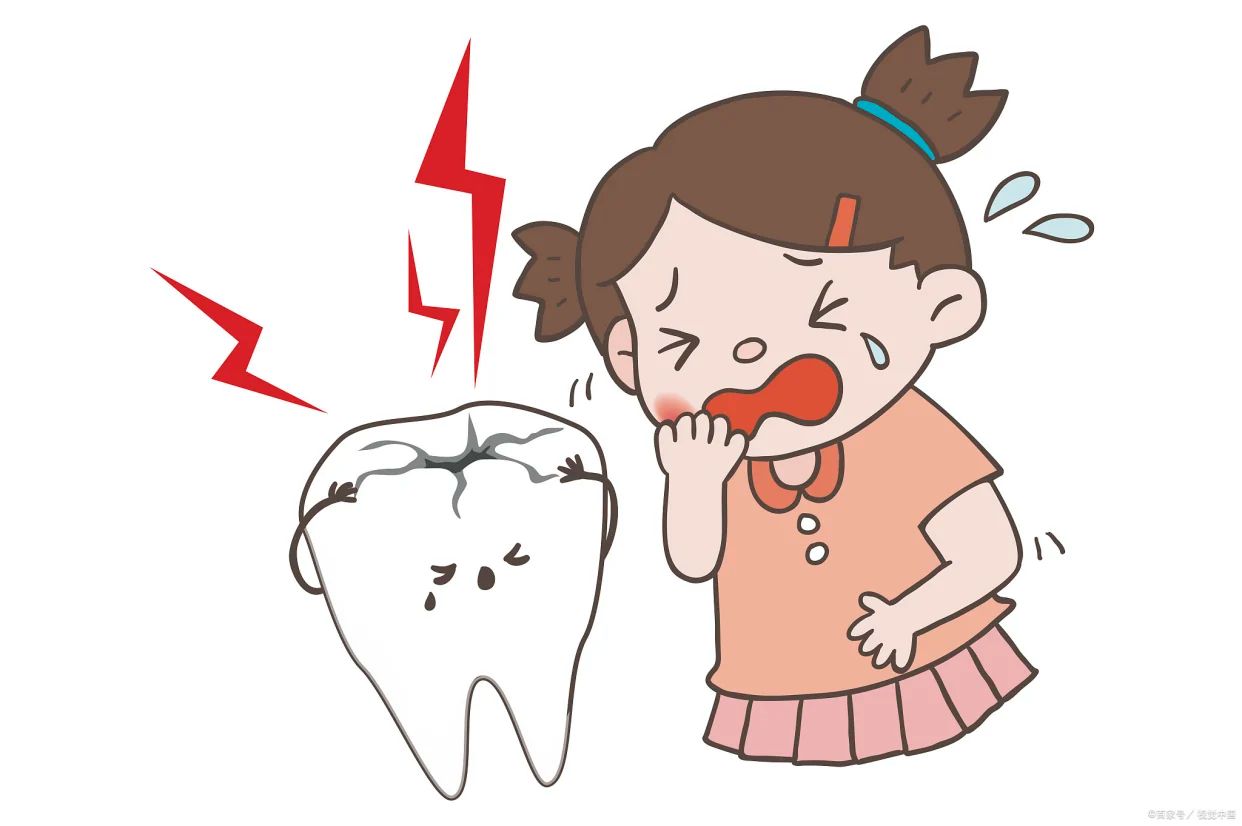
and mashed pumpkin or sweet potatoes. These foods are not only easy to consume but also reduce friction and strain on your teeth, giving the filling material ample time to bond with the tooth structure. If you enjoy eating meat, opt for tender fish or minced meat, avoiding bones or tendons.
**Precautions During the Soft Food Period**
First, avoid foods that are too hot or too cold, as your teeth may be temporarily sensitive to temperature changes, which can cause discomfort. Second, limit sugary and acidic foods, as they can increase tooth sensitivity and the risk of cavities. Lastly, chew slowly and avoid rushing your meals, allowing your mouth to gradually adapt to the changes from the filling.
**Transitioning Back to a Normal Diet**
Once the soft food period ends, you can gradually reintroduce regular foods. However, avoid immediately consuming hard bones, hard candies, or tough jerky. Start by using the side of your mouth with less chewing force, and slowly test your comfort level. If your teeth remain sensitive or painful after the filling, consult your dentist to ensure there are no underlying issues.
**Tips for Getting Dental Fillings in the Chinese Mainland**
Before heading to the Mainland for dental work, plan for a few days when you wont need to eat hard foods, allowing ample recovery time post-treatment. Remember to bring your usual mouthwash and dental floss to maintain oral hygiene and prevent bacterial growth. If you notice any abnormalities in your teeth upon returning to Hong Kong, dont delay seeking follow-up care from your dentist to ensure long-term health.
In summary, getting dental fillings in the Chinese Mainland is a convenient and effective option. However, the duration for which you should eat soft foods post-filling depends on your dental condition and your dentists recommendations. Generally, one to two days is sufficient, but some cases may require a longer period. The key is to follow professional advice, maintain good dietary habits, and uphold oral hygiene to ensure the longevity of your dental work. Remember, dental health is a crucial component of your overall quality of life, so dont compromise your treatment outcomes by indulging in hard foods too soon.
















