




**Exploring Dental Advancements in Chinese Mainland: A Modern Perspective**
In recent years, it has become increasingly common for Hong Kong residents to travel to Chinese Mainland for dental treatments, including fillings. This trend is largely driven by convenient transportation and positive word-of-mouth recommendations. However, a common concern remains: How advanced is the dental technology in Chinese Mainland? Is it safe, reliable, and comparable to, or even better than, what is available in Hong Kong? Lets delve into this topic with a straightforward approach.
Firstly, its important to highlight the rapid development of dental technology in Chinese Mainland. While many people previously associated mainland dental visits with lower costs, the reality today is quite different. Major cities now boast dental clinics equipped with cutting-edge technologies, such as digital imaging, 3D-printed dental models, computer-aided design, and minimally invasive repair techniques. These advancements enhance diagnostic accuracy and precision in treatment, allowing for a seamless process from examination to filling completion in a single day, saving valuable time for work and study.
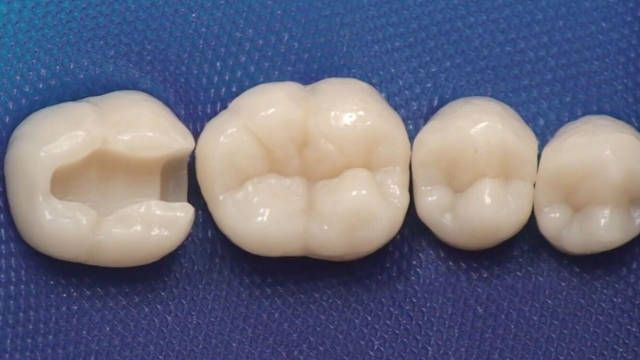
The techniques used for dental fillings have also seen significant upgrades. Traditional fillings often utilized silver amalgam or resin, but many clinics now offer next-generation composite resins and high-grade ceramic materials. These options mimic the natural tooth color, increase durability, and reduce discomfort associated with metal materials. Furthermore, many mainland dentists adhere to international standards, customizing filling plans for patients by carefully analyzing bite force and gum health to ensure the restored tooth is not only aesthetically pleasing but also functionally stable over the long term.
Additionally, advancements in anesthesia and pain management have significantly improved the dental experience. Previously, inadequate anesthesia and pain during procedures were major concerns. Today, many clinics employ precise local anesthesia techniques, adjusting dosages based on the specific tooth location and the patients pain tolerance to ensure a comfortable experience. Modern
 ized clinic environments, often featuring soothing music and warm lighting, further help patients relax, transforming dental visits from a dreaded ordeal to a more pleasant experience.
When it comes to service quality, mainland clinics are comparable to those in Hong Kong. Many dental teams have international training backgrounds and affiliations with global dental organizations, ensuring their techniques and philosophies are up-to-date. Some clinics implement a "one doctor, one assistant" model, where both the dentist and assistant oversee hygiene and safety throughout the treatment, enhancing patient confidence.
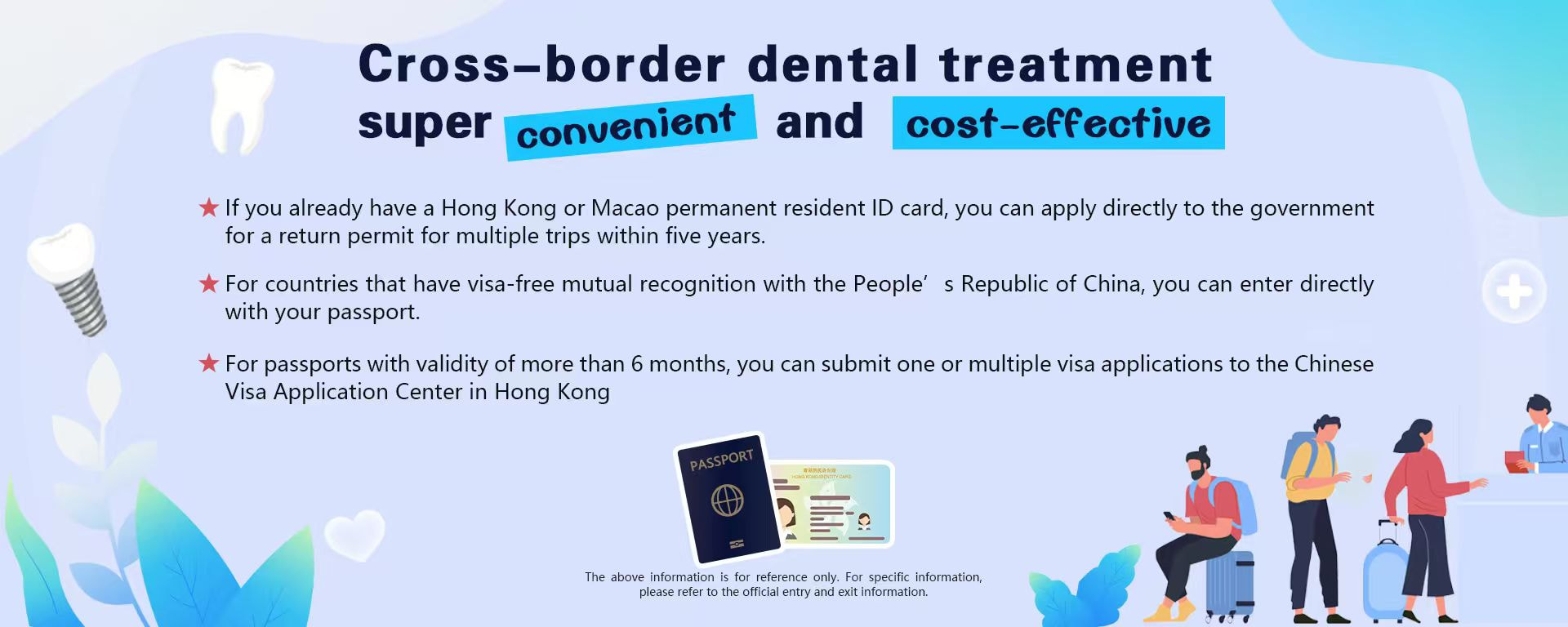
The convenience of traveling to Chinese Mainland for dental care is a significant factor in its popularity. High-speed rail, cross-border buses, and even dedicated car services make it easy to plan a half-day or full-day trip for dental visits. Some clinics offer online consultations to assess dental conditions before scheduling appointments, making the process even more efficient.
However, its crucial not to overlook potential risks and considerations. Despite technological advancements, when visiting a new environment, its wise to choose clinics with good reputations, comprehensive equipment, and proper certifications, rather than relying solely on a friends recommendation. Post-treatment care and follow-up are equally important; even with advanced filling materials, regular check-ups are necessary to maintain dental health and ensure lasting results.
In summary, dental technology in Chinese Mainland has progressed beyond being merely "affordable and fast," aligning closer to international standards. Advanced equipment, precise materials, comfortable experiences, and professional teams make dental trips to Chinese Mainland an increasingly popular choice for Hong Kong residents. Nevertheless, whether you opt for treatment in Chinese Mainland or stay in Hong Kong, remember that dental health requires ongoing care beyond a single procedure. Regular brushing, flossing, and check-ups remain essential for maintaining a healthy smile. This way, you can confidently enjoy the benefits of modern dental technology, wherever you choose to have your dental work done.
ized clinic environments, often featuring soothing music and warm lighting, further help patients relax, transforming dental visits from a dreaded ordeal to a more pleasant experience.
When it comes to service quality, mainland clinics are comparable to those in Hong Kong. Many dental teams have international training backgrounds and affiliations with global dental organizations, ensuring their techniques and philosophies are up-to-date. Some clinics implement a "one doctor, one assistant" model, where both the dentist and assistant oversee hygiene and safety throughout the treatment, enhancing patient confidence.
The convenience of traveling to Chinese Mainland for dental care is a significant factor in its popularity. High-speed rail, cross-border buses, and even dedicated car services make it easy to plan a half-day or full-day trip for dental visits. Some clinics offer online consultations to assess dental conditions before scheduling appointments, making the process even more efficient.
However, its crucial not to overlook potential risks and considerations. Despite technological advancements, when visiting a new environment, its wise to choose clinics with good reputations, comprehensive equipment, and proper certifications, rather than relying solely on a friends recommendation. Post-treatment care and follow-up are equally important; even with advanced filling materials, regular check-ups are necessary to maintain dental health and ensure lasting results.
In summary, dental technology in Chinese Mainland has progressed beyond being merely "affordable and fast," aligning closer to international standards. Advanced equipment, precise materials, comfortable experiences, and professional teams make dental trips to Chinese Mainland an increasingly popular choice for Hong Kong residents. Nevertheless, whether you opt for treatment in Chinese Mainland or stay in Hong Kong, remember that dental health requires ongoing care beyond a single procedure. Regular brushing, flossing, and check-ups remain essential for maintaining a healthy smile. This way, you can confidently enjoy the benefits of modern dental technology, wherever you choose to have your dental work done.
 **Exploring Dental Advancements in Chinese Mainland: A Modern Perspective**
In recent years, it has become increasingly common for Hong Kong residents to travel to Chinese Mainland for dental treatments, including fillings. This trend is largely driven by convenient transportation and positive word-of-mouth recommendations. However, a common concern remains: How advanced is the dental technology in Chinese Mainland? Is it safe, reliable, and comparable to, or even better than, what is available in Hong Kong? Lets delve into this topic with a straightforward approach.
Firstly, its important to highlight the rapid development of dental technology in Chinese Mainland. While many people previously associated mainland dental visits with lower costs, the reality today is quite different. Major cities now boast dental clinics equipped with cutting-edge technologies, such as digital imaging, 3D-printed dental models, computer-aided design, and minimally invasive repair techniques. These advancements enhance diagnostic accuracy and precision in treatment, allowing for a seamless process from examination to filling completion in a single day, saving valuable time for work and study.
The techniques used for dental fillings have also seen significant upgrades. Traditional fillings often utilized silver amalgam or resin, but many clinics now offer next-generation composite resins and high-grade ceramic materials. These options mimic the natural tooth color, increase durability, and reduce discomfort associated with metal materials. Furthermore, many mainland dentists adhere to international standards, customizing filling plans for patients by carefully analyzing bite force and gum health to ensure the restored tooth is not only aesthetically pleasing but also functionally stable over the long term.
Additionally, advancements in anesthesia and pain management have significantly improved the dental experience. Previously, inadequate anesthesia and pain during procedures were major concerns. Today, many clinics employ precise local anesthesia techniques, adjusting dosages based on the specific tooth location and the patients pain tolerance to ensure a comfortable experience. Modern
**Exploring Dental Advancements in Chinese Mainland: A Modern Perspective**
In recent years, it has become increasingly common for Hong Kong residents to travel to Chinese Mainland for dental treatments, including fillings. This trend is largely driven by convenient transportation and positive word-of-mouth recommendations. However, a common concern remains: How advanced is the dental technology in Chinese Mainland? Is it safe, reliable, and comparable to, or even better than, what is available in Hong Kong? Lets delve into this topic with a straightforward approach.
Firstly, its important to highlight the rapid development of dental technology in Chinese Mainland. While many people previously associated mainland dental visits with lower costs, the reality today is quite different. Major cities now boast dental clinics equipped with cutting-edge technologies, such as digital imaging, 3D-printed dental models, computer-aided design, and minimally invasive repair techniques. These advancements enhance diagnostic accuracy and precision in treatment, allowing for a seamless process from examination to filling completion in a single day, saving valuable time for work and study.
The techniques used for dental fillings have also seen significant upgrades. Traditional fillings often utilized silver amalgam or resin, but many clinics now offer next-generation composite resins and high-grade ceramic materials. These options mimic the natural tooth color, increase durability, and reduce discomfort associated with metal materials. Furthermore, many mainland dentists adhere to international standards, customizing filling plans for patients by carefully analyzing bite force and gum health to ensure the restored tooth is not only aesthetically pleasing but also functionally stable over the long term.
Additionally, advancements in anesthesia and pain management have significantly improved the dental experience. Previously, inadequate anesthesia and pain during procedures were major concerns. Today, many clinics employ precise local anesthesia techniques, adjusting dosages based on the specific tooth location and the patients pain tolerance to ensure a comfortable experience. Modern
Vickong Dental
Vickong Dental is a large medical group established in Hong Kong in 2008 by professors from well-known medical universities in Guangdong and Hong Kong, as well as medical doctors from key national '985' universities (including Master's supervisors and senior professors). The chain of branches brings together expert dentists with PhDs and Master's degrees from Hong Kong and Mainland China, committed to providing high-quality dental treatment.
"Vickong Dental Practices the University Motto of 'Healing and Serving Society,' with a Stable Operation for Sixteen Years. It Has Been honored with Hong Kong Enterprise Leaders's Choice,' and is a Global Trusted Implant Center for the Nobel Implant System. Recommended by Hong Kong Metro Broadcast and Guangdong Television, it Serves Customers from Over Thirty Countries and Regions, Gaining the Trust and Favor of Citizens from the Guangdong-Hong Kong-Macau Greater Bay Area and Surrounding Cities.


Thousands of customers' unanimous praise
The most recognized and highly recommended dental service by customers in the Guangdong-Hong Kong-Macau Greater Bay Area









We Ensure You Receive Detailed Care and Attention Here
Hong Kong standards, Shenzhen prices, Your Trusted English-speaking dentists

Vickong Dental Medical-Grade Instrument Disinfection Process

Vickong Dental Medical-Grade Instrument Disinfection Process

Vickong Dental Chain: A Warm and Comfortable Environment for Treatment


Appointment Hours


Q&A
Why choose Vickong Dental?

Vickong Dental practices the university motto 「Medicine to Benefit Society」, with each branch bringing together highly qualified dentists with doctoral and master’s degrees from Hong Kong and the Mainland, and has maintained seventeen years of steady operation。Recipient of 「2024 Hong Kong Enterprise Leaders Brand」, 「2025 Hong Kong Enterprise Leaders Brand」, a Nobel Biocare Global Trusted Implant Center, and a brand recommended by Metro Radio Hong Kong and Guangdong TV。
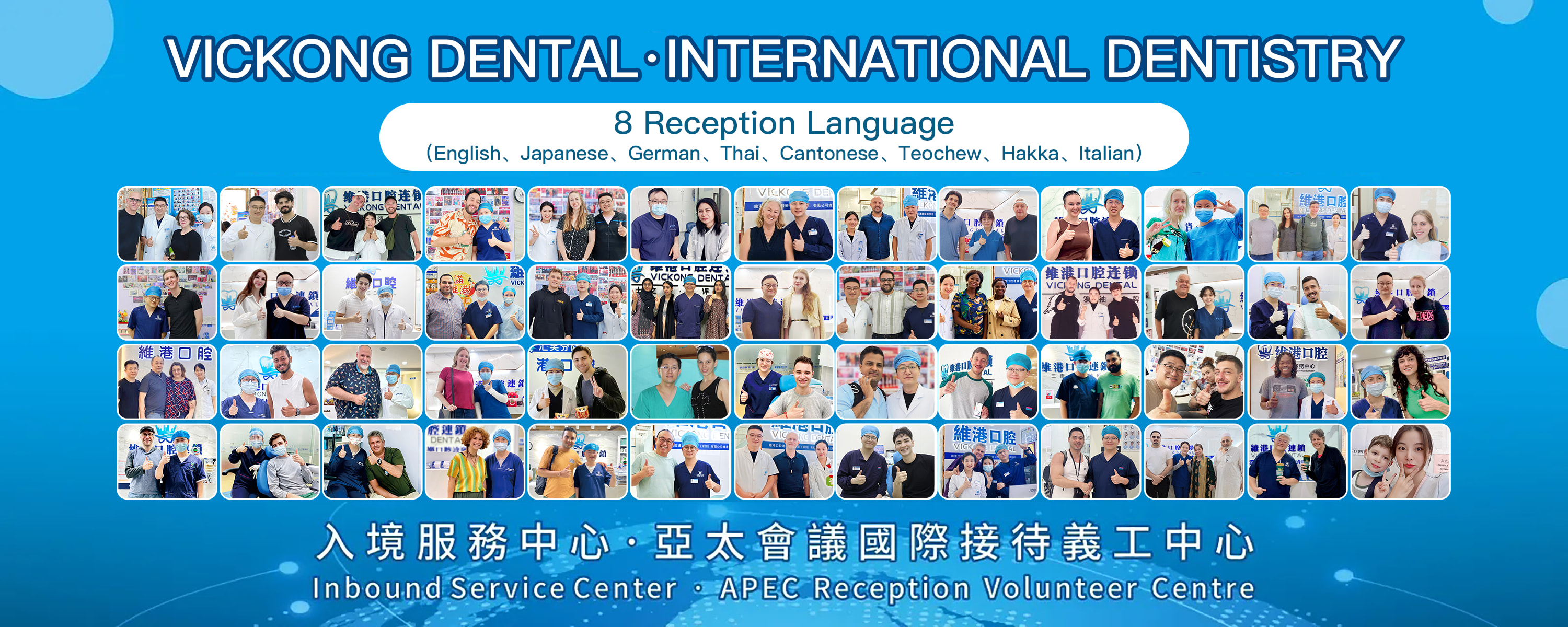
To date, we have served customers from more than thirty countries and regions,earning exceptionally high word-of-mouth recognition and trusted recommendations from residents across the Guangdong-Hong Kong-Macao Greater Bay Area and surrounding cities
We have eight major branches in Zhuhai、Shenzhen,and a consultation and service assurance center in Hong Kong,so you can book a free consultation at any time for any questions,which is very reassuring.
If I do not accept the quotation after the CT scan, will I be charged??
No! As long as the actual treatment has not started, you will not be charged any fees.
Will there be any additional charges during the treatment process?
No, there won’t be any additional charges. Before treatment begins, we will clearly explain the treatment plan and its corresponding fees. Only after the patient agrees and signs the consent form will we proceed with the dental service.
Can I pay in Hong Kong dollars?
Yes. Vickong Dental accepts payment in Hong Kong dollars. The amount will be converted based on the exchange rate of the day, and the applicable rate will be clearly communicated to you in advance.
Can I reschedule my appointment at any time?
Yes. Please contact us via **WeChat** or **WhatsApp** as early as possible, providing your original appointment time and details, along with your preferred new date and time slot for rescheduling.