




**Can Eating Ice After Dental Fillings Harm the Treated Area?**
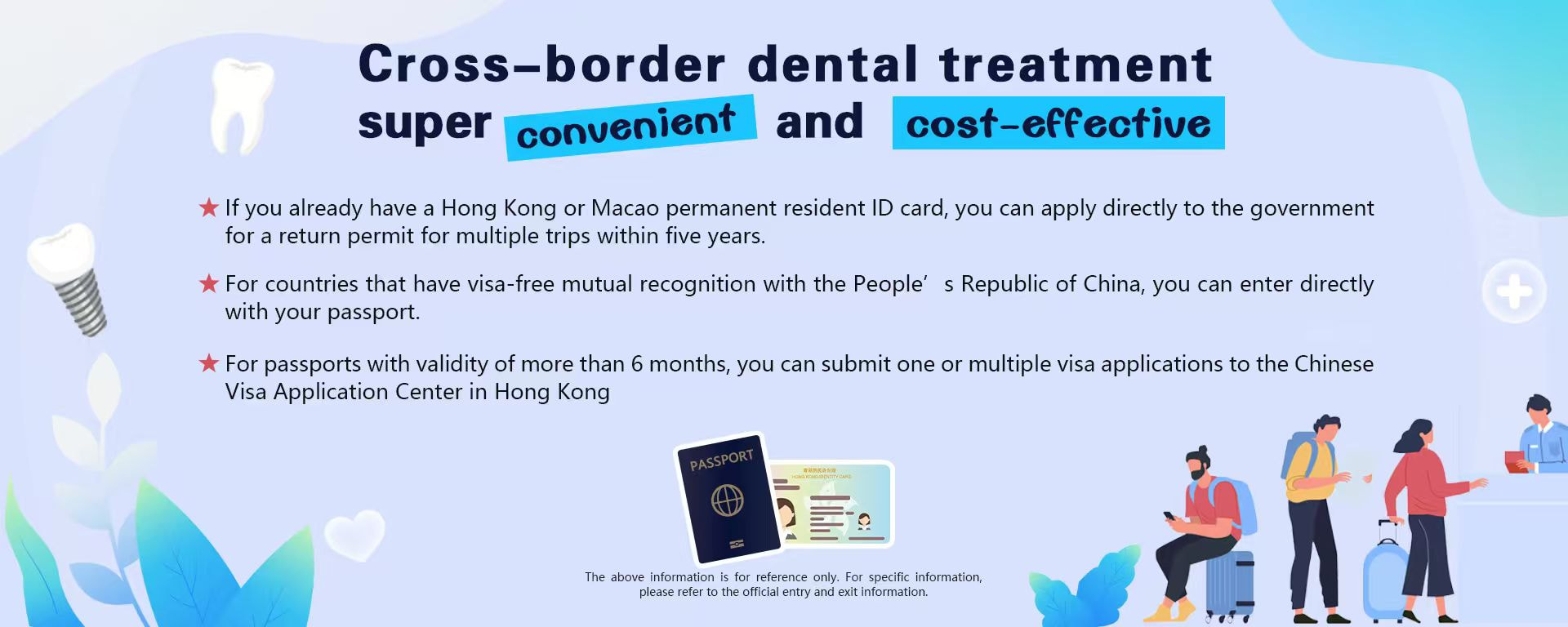
In recent years, many Hong Kong residents have taken advantage of holidays or weekends to travel to Chinese Mainland cities like Shenzhen and Dongguan for dental care and fillings. The reasons are simple: more options, faster service, and generally comfortable procedures. After getting dental work done, its tempting to try local desserts and cold drinks, especially in the summer when icy treats are particularly appealing. But can eating ice immediately after a filling damage the treated area?
**Understanding the Dental Filling Process**
Dental fillings involve cleaning out decayed or damaged areas of the tooth and filling them with suitable restorative materials, typically composite resins or other dental materials. Once the filling is complete, these materials need to adhere securely to your natural tooth and adapt to the oral environment. Generally, you can eat normally right after a filling, but dentists often recommend allowing some time for the filling and tooth to adjust.
**Effects of Cold Temperatures on Dental Fillings**
Ice has a very low temperature, which can cause the surface temperature of your teeth to drop suddenly upon contact. The expansion and contraction rates of filling materials and natural teeth may not be identical. If youve just had a filling, this temperature change could exert extra pressure on the bond between the filling and the tooth. Although the impact is usually minor, repeated exposure to cold and heat in a short period might cause some individuals to experience tooth sensitivity or discomfort.
**Sensitivity After Dental Fillings**
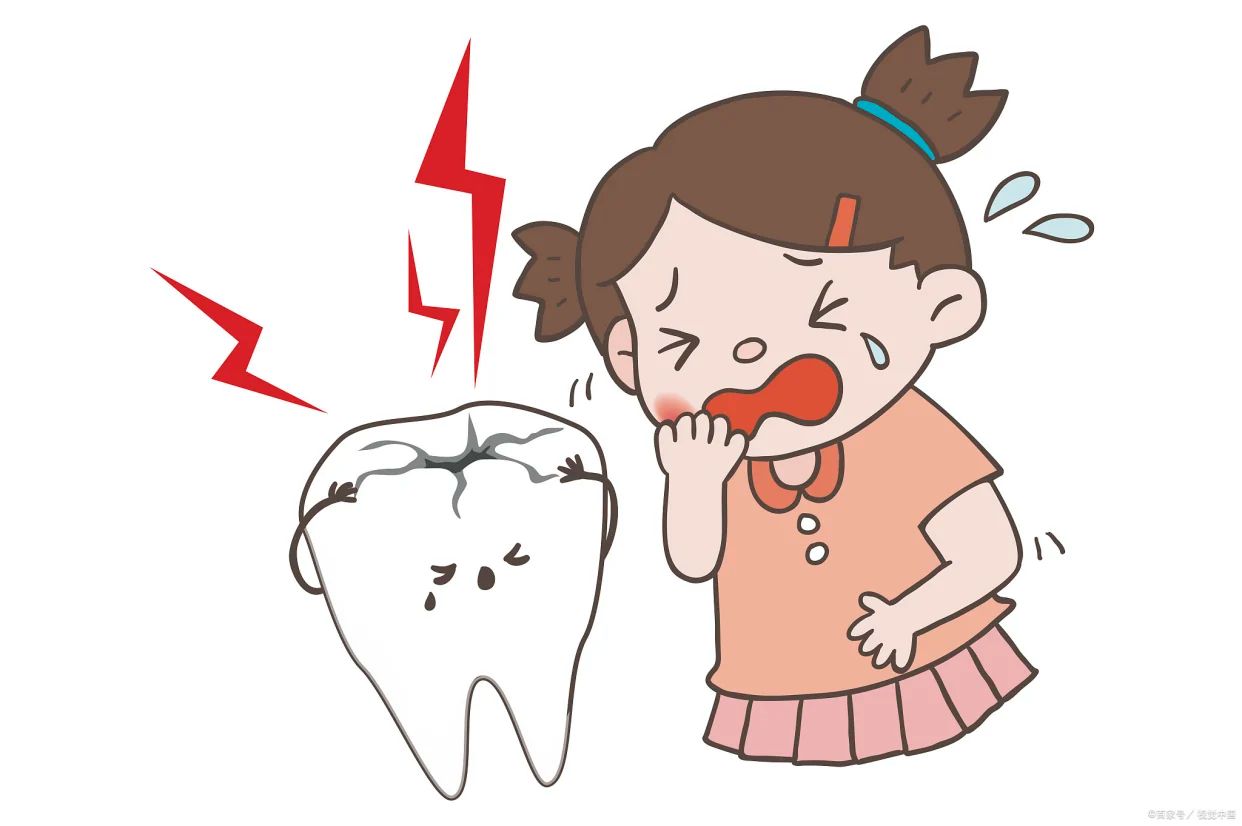
Furthermore, some people may not completely eliminate inflammation around the cavity after a filling, leaving the pulp and nerves in a sensitive state. The low temperature from ice can travel through the tooth to the nerves, triggering a sensation of soreness or brief pain. This doesnt necessarily indicate a problem with the filling but rather a period of adjustment for the tooth.
**When Can You Safely Eat Ice After a Filling?**
There isnt a universal standard for when its safe to eat ice after a filling; it depends on the location of the filling, the materials used, and your tooth sensitivity. In most cases, if your dentist hasnt imposed specific restrictions, trying small amounts of cold foods after a day or two is usually safe. Initially, you can us
 e indirect methods, such as letting cold water warm slightly before drinking or avoiding biting directly with the filled tooth when eating frozen desserts. Gradually test your tooths reaction.
**Maintaining Oral Health Post-Filling**
After returning to Hong Kong post-filling, its crucial to maintain good oral hygiene to ensure the longevity of the filling. Even with a repaired tooth, you should brush twice daily, use dental floss to clean between teeth, and avoid hard foods or extreme temperatures that could stress your teeth. Remember, both filling materials and natural teeth require care; having a filling doesnt make your tooth invincible.
**Addressing Issues with Dental Fillings**
If you cant resist eating ice and suddenly notice cracks, chips, or significant pain near the filling, its best to consult a dentist promptly. Whether in Hong Kong or Chinese Mainland, early intervention is better than waiting for the problem to worsen. Dental materials are durable, but prolonged exposure to temperature fluctuations and mechanical stress can lead to fatigue, so regular check-ups are a good habit for protecting your teeth.
**Final Thoughts on Eating Ice After Dental Fillings**
Additionally, many people overlook a detail: dental materials may continue reacting with saliva initially, taking time to reach their final strength. Although modern materials quickly achieve basic hardness, the best condition is to let them "rest" and adapt in a stable environment. Eating ice immediately after a filling or chewing hard ice cubes can accelerate the formation of micro-cracks on the surface, eventually affecting the seal.
In summary, eating ice after a filling doesnt necessarily harm the treated area immediately, but frequent exposure to low temperatures shortly after the procedure might not be beneficial for newly filled teeth. Its best to wait 1 to 2 days for the tooth to adjust before gradually enjoying cold foods, and start by using the opposite side of the mouth to test flavors. This way, you can enjoy frozen treats without compromising the longevity of your dental work.
Ultimately, the goal of dental fillings is to extend the lifespan of your teeth and maintain oral health. Whether you have dental work done in Hong Kong or Chinese Mainland, dont let the allure of icy treats damage your teeth. Your teeth are lifelong companions, so protect them to continue enjoying life with confidence.
e indirect methods, such as letting cold water warm slightly before drinking or avoiding biting directly with the filled tooth when eating frozen desserts. Gradually test your tooths reaction.
**Maintaining Oral Health Post-Filling**
After returning to Hong Kong post-filling, its crucial to maintain good oral hygiene to ensure the longevity of the filling. Even with a repaired tooth, you should brush twice daily, use dental floss to clean between teeth, and avoid hard foods or extreme temperatures that could stress your teeth. Remember, both filling materials and natural teeth require care; having a filling doesnt make your tooth invincible.
**Addressing Issues with Dental Fillings**
If you cant resist eating ice and suddenly notice cracks, chips, or significant pain near the filling, its best to consult a dentist promptly. Whether in Hong Kong or Chinese Mainland, early intervention is better than waiting for the problem to worsen. Dental materials are durable, but prolonged exposure to temperature fluctuations and mechanical stress can lead to fatigue, so regular check-ups are a good habit for protecting your teeth.
**Final Thoughts on Eating Ice After Dental Fillings**
Additionally, many people overlook a detail: dental materials may continue reacting with saliva initially, taking time to reach their final strength. Although modern materials quickly achieve basic hardness, the best condition is to let them "rest" and adapt in a stable environment. Eating ice immediately after a filling or chewing hard ice cubes can accelerate the formation of micro-cracks on the surface, eventually affecting the seal.
In summary, eating ice after a filling doesnt necessarily harm the treated area immediately, but frequent exposure to low temperatures shortly after the procedure might not be beneficial for newly filled teeth. Its best to wait 1 to 2 days for the tooth to adjust before gradually enjoying cold foods, and start by using the opposite side of the mouth to test flavors. This way, you can enjoy frozen treats without compromising the longevity of your dental work.
Ultimately, the goal of dental fillings is to extend the lifespan of your teeth and maintain oral health. Whether you have dental work done in Hong Kong or Chinese Mainland, dont let the allure of icy treats damage your teeth. Your teeth are lifelong companions, so protect them to continue enjoying life with confidence.
 **Can Eating Ice After Dental Fillings Harm the Treated Area?**
In recent years, many Hong Kong residents have taken advantage of holidays or weekends to travel to Chinese Mainland cities like Shenzhen and Dongguan for dental care and fillings. The reasons are simple: more options, faster service, and generally comfortable procedures. After getting dental work done, its tempting to try local desserts and cold drinks, especially in the summer when icy treats are particularly appealing. But can eating ice immediately after a filling damage the treated area?
**Understanding the Dental Filling Process**
Dental fillings involve cleaning out decayed or damaged areas of the tooth and filling them with suitable restorative materials, typically composite resins or other dental materials. Once the filling is complete, these materials need to adhere securely to your natural tooth and adapt to the oral environment. Generally, you can eat normally right after a filling, but dentists often recommend allowing some time for the filling and tooth to adjust.
**Effects of Cold Temperatures on Dental Fillings**
Ice has a very low temperature, which can cause the surface temperature of your teeth to drop suddenly upon contact. The expansion and contraction rates of filling materials and natural teeth may not be identical. If youve just had a filling, this temperature change could exert extra pressure on the bond between the filling and the tooth. Although the impact is usually minor, repeated exposure to cold and heat in a short period might cause some individuals to experience tooth sensitivity or discomfort.
**Sensitivity After Dental Fillings**
Furthermore, some people may not completely eliminate inflammation around the cavity after a filling, leaving the pulp and nerves in a sensitive state. The low temperature from ice can travel through the tooth to the nerves, triggering a sensation of soreness or brief pain. This doesnt necessarily indicate a problem with the filling but rather a period of adjustment for the tooth.
**When Can You Safely Eat Ice After a Filling?**
There isnt a universal standard for when its safe to eat ice after a filling; it depends on the location of the filling, the materials used, and your tooth sensitivity. In most cases, if your dentist hasnt imposed specific restrictions, trying small amounts of cold foods after a day or two is usually safe. Initially, you can us
**Can Eating Ice After Dental Fillings Harm the Treated Area?**
In recent years, many Hong Kong residents have taken advantage of holidays or weekends to travel to Chinese Mainland cities like Shenzhen and Dongguan for dental care and fillings. The reasons are simple: more options, faster service, and generally comfortable procedures. After getting dental work done, its tempting to try local desserts and cold drinks, especially in the summer when icy treats are particularly appealing. But can eating ice immediately after a filling damage the treated area?
**Understanding the Dental Filling Process**
Dental fillings involve cleaning out decayed or damaged areas of the tooth and filling them with suitable restorative materials, typically composite resins or other dental materials. Once the filling is complete, these materials need to adhere securely to your natural tooth and adapt to the oral environment. Generally, you can eat normally right after a filling, but dentists often recommend allowing some time for the filling and tooth to adjust.
**Effects of Cold Temperatures on Dental Fillings**
Ice has a very low temperature, which can cause the surface temperature of your teeth to drop suddenly upon contact. The expansion and contraction rates of filling materials and natural teeth may not be identical. If youve just had a filling, this temperature change could exert extra pressure on the bond between the filling and the tooth. Although the impact is usually minor, repeated exposure to cold and heat in a short period might cause some individuals to experience tooth sensitivity or discomfort.
**Sensitivity After Dental Fillings**
Furthermore, some people may not completely eliminate inflammation around the cavity after a filling, leaving the pulp and nerves in a sensitive state. The low temperature from ice can travel through the tooth to the nerves, triggering a sensation of soreness or brief pain. This doesnt necessarily indicate a problem with the filling but rather a period of adjustment for the tooth.
**When Can You Safely Eat Ice After a Filling?**
There isnt a universal standard for when its safe to eat ice after a filling; it depends on the location of the filling, the materials used, and your tooth sensitivity. In most cases, if your dentist hasnt imposed specific restrictions, trying small amounts of cold foods after a day or two is usually safe. Initially, you can us
Vickong Dental
Vickong Dental is a large medical group established in Hong Kong in 2008 by professors from well-known medical universities in Guangdong and Hong Kong, as well as medical doctors from key national '985' universities (including Master's supervisors and senior professors). The chain of branches brings together expert dentists with PhDs and Master's degrees from Hong Kong and Mainland China, committed to providing high-quality dental treatment.
"Vickong Dental Practices the University Motto of 'Healing and Serving Society,' with a Stable Operation for Sixteen Years. It Has Been honored with Hong Kong Enterprise Leaders's Choice,' and is a Global Trusted Implant Center for the Nobel Implant System. Recommended by Hong Kong Metro Broadcast and Guangdong Television, it Serves Customers from Over Thirty Countries and Regions, Gaining the Trust and Favor of Citizens from the Guangdong-Hong Kong-Macau Greater Bay Area and Surrounding Cities.


Thousands of customers' unanimous praise
The most recognized and highly recommended dental service by customers in the Guangdong-Hong Kong-Macau Greater Bay Area









We Ensure You Receive Detailed Care and Attention Here
Hong Kong standards, Shenzhen prices, Your Trusted English-speaking dentists

Vickong Dental Medical-Grade Instrument Disinfection Process

Vickong Dental Medical-Grade Instrument Disinfection Process

Vickong Dental Chain: A Warm and Comfortable Environment for Treatment


Appointment Hours


Q&A
Why choose Vickong Dental?

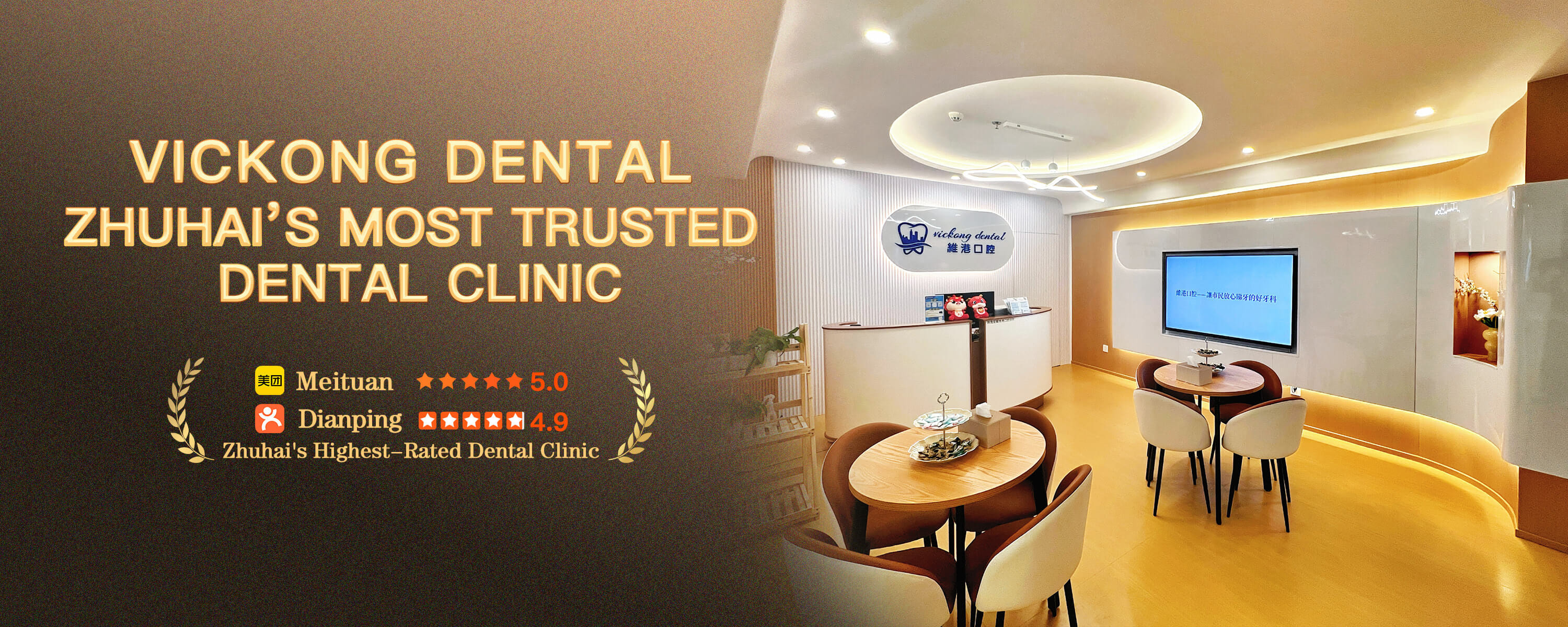
Vickong Dental practices the university motto 「Medicine to Benefit Society」, with each branch bringing together highly qualified dentists with doctoral and master’s degrees from Hong Kong and the Mainland, and has maintained seventeen years of steady operation。Recipient of 「2024 Hong Kong Enterprise Leaders Brand」, 「2025 Hong Kong Enterprise Leaders Brand」, a Nobel Biocare Global Trusted Implant Center, and a brand recommended by Metro Radio Hong Kong and Guangdong TV。
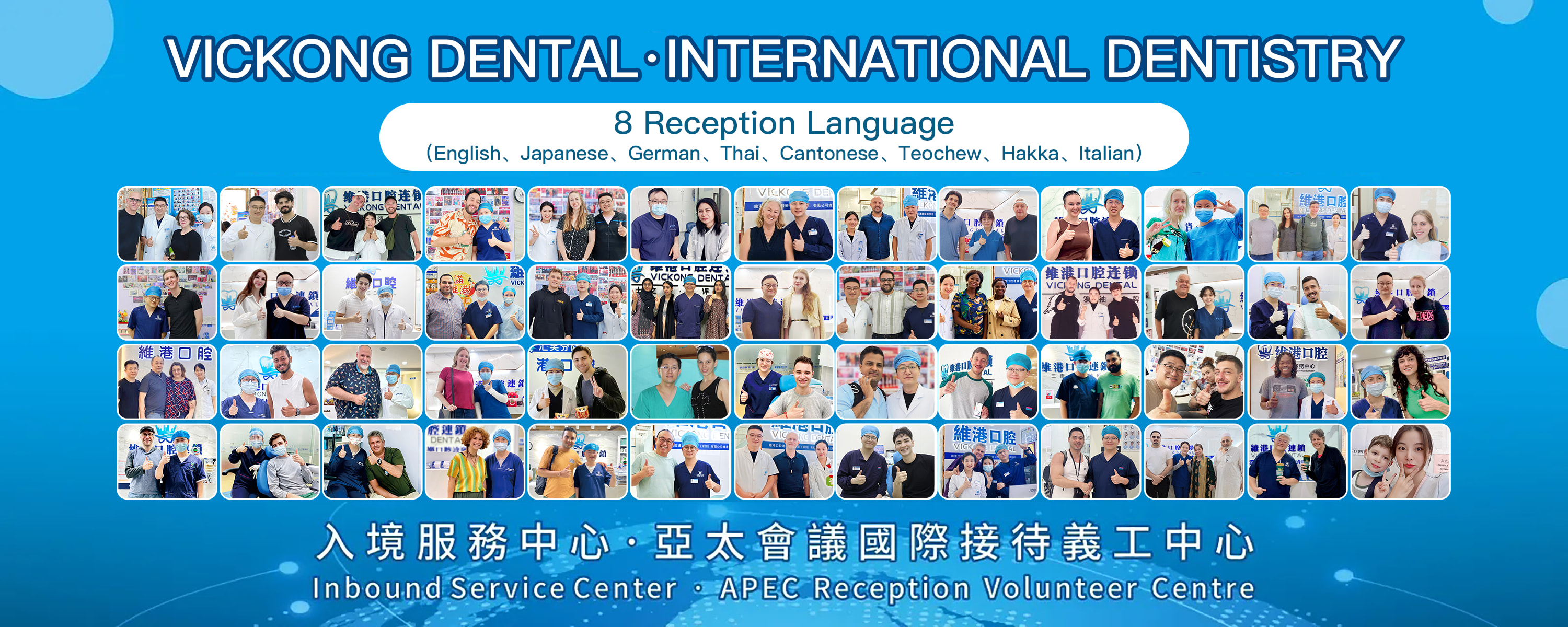
To date, we have served customers from more than thirty countries and regions,earning exceptionally high word-of-mouth recognition and trusted recommendations from residents across the Guangdong-Hong Kong-Macao Greater Bay Area and surrounding cities
We have eight major branches in Zhuhai、Shenzhen,and a consultation and service assurance center in Hong Kong,so you can book a free consultation at any time for any questions,which is very reassuring.
If I do not accept the quotation after the CT scan, will I be charged??
No! As long as the actual treatment has not started, you will not be charged any fees.
Will there be any additional charges during the treatment process?
No, there won’t be any additional charges. Before treatment begins, we will clearly explain the treatment plan and its corresponding fees. Only after the patient agrees and signs the consent form will we proceed with the dental service.
Can I pay in Hong Kong dollars?
Yes. Vickong Dental accepts payment in Hong Kong dollars. The amount will be converted based on the exchange rate of the day, and the applicable rate will be clearly communicated to you in advance.
Can I reschedule my appointment at any time?
Yes. Please contact us via **WeChat** or **WhatsApp** as early as possible, providing your original appointment time and details, along with your preferred new date and time slot for rescheduling.