




**The Essential Role of Water Flossers After Dental Fillings in the Chinese Mainland**
In recent years, many Hong Kong residents have opted to travel to the Chinese Mainland for dental treatments, including fillings. The reasons are numerous, such as convenient transportation, swift services, and easy appointment scheduling. However, post-filling care is crucial, and a water flosser can play a significant role in maintaining oral health. Many people, upon returning to Hong Kong, often ask, "Is it necessary to use a water flosser after getting a filling?" Today, lets delve into this topic from a practical perspective.
**Why Use a Water Flosser After Dental Fillings?**
Firstly, even after a filling, food particles can easily get trapped between teeth and gums. The restored areas might not perfectly match the original tooth shape, making it difficult for a toothbrush to clean thoroughly. A water flosser uses high-pressure water jets to reach deep between teeth and along the gumline, effectively removing debris that a toothbrush might miss. This can significantly enhance the longevity of your dental work.
Secondly, beyond cleaning, water flossers gently massage the gums, promoting blood circulation and reducing gum issues. Many who travel to the Chinese Mainland for dental work are advised by their dentists to pay attention to gum health. Its a misconception that a filling is a permanent fix. Neglecting gum care could lead to periodontal disease, which might compromise the stability of the filling material.
**Proper Use of Water Flossers**
How should you use a water flosser correctly? In the days following a filling, unless otherwise advised by your dentist, its generally safe to use a water flosser. However, ensure the water pressure isnt too strong, especially around newly filled areas, to allow your teeth and gums to adjust. If you experience sensitivity, using warm water instead of cold can help alleviate discomfort. Remember, a water flosser is a supplementary cleaning tool, not a replacement for brushing. Its best used after brushing to ensure both teeth and gaps are thoroughly clean.
**Tailoring Water Flosser Use to Individual Needs**
D
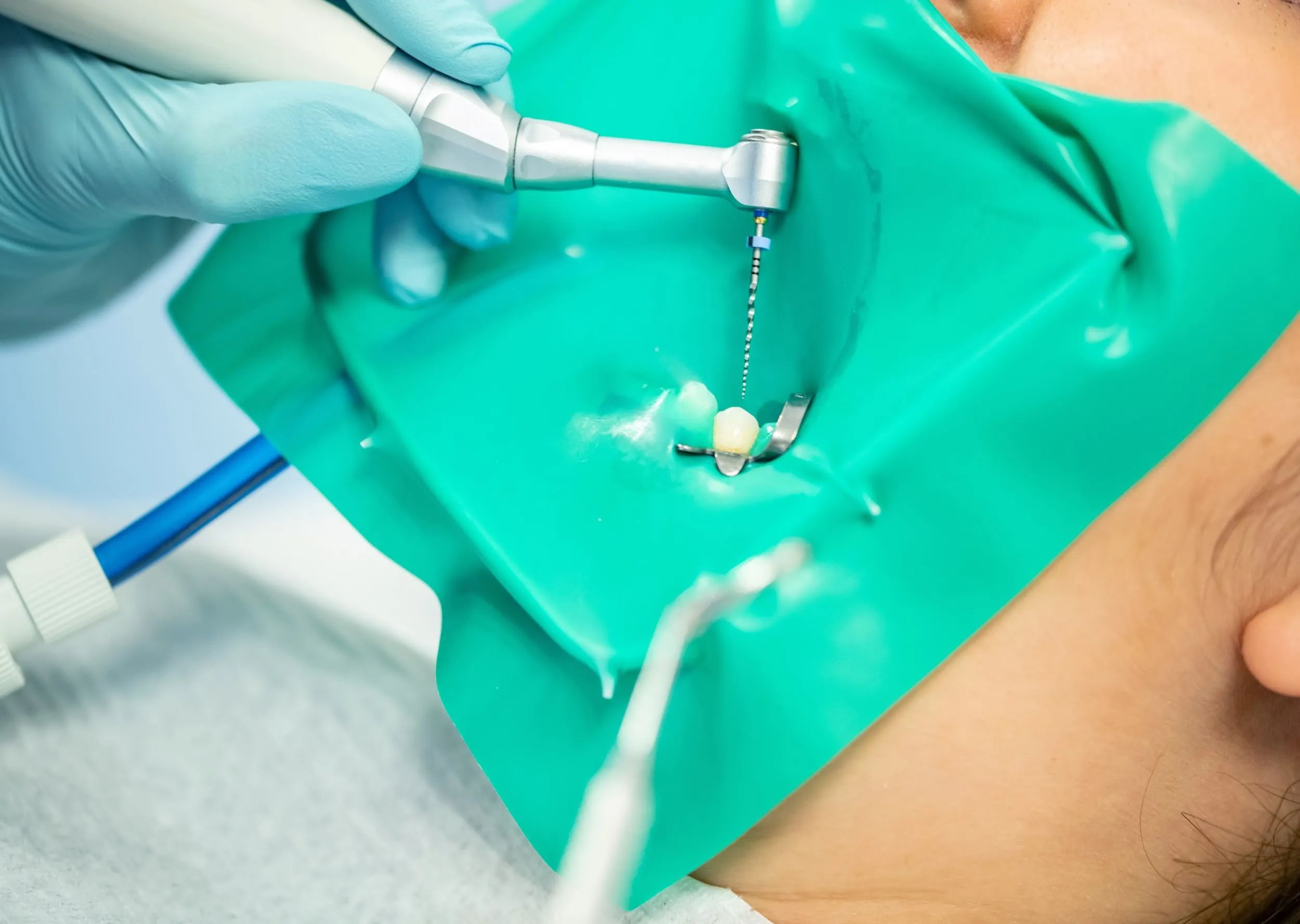 ifferent dental conditions require slight variations in water flosser use. For instance, individuals with braces or dental implants may find water flossers particularly beneficial for cleaning hard-to-reach areas. Those with fillings should focus on gently cleaning around the filled areas, avoiding direct, intense pressure on the gums.
While the process of getting dental work done in the Chinese Mainland is similar to that in Hong Kong, there are specific aftercare tips that Mainland dentists might emphasize, such as avoiding hard foods and chewing on the opposite side. A water flosser is often recommended as it helps establish good oral hygiene practices, reducing the likelihood of needing further dental work.
**Optimal Timing for Water Flosser Use**
For best results, use a water flosser at night after brushing. Throughout the day, food particles can accumulate, and using a water flosser can effectively remove debris, reducing bacterial growth. A simple brush and rinse in the morning, followed by a thorough clean with a water flosser at night, can provide peace of mind.
Concerns about a water flosser dislodging filling material are common, but with appropriate water pressure and correct technique, it is entirely safe. In fact, neglecting to clean between teeth can create an acidic environment from trapped food and plaque, posing a greater risk to fillings.
**Conclusion**
In summary, after returning from the Chinese Mainland with a new filling, dont assume brushing alone is sufficient. Investing in a water flosser is a wise choice for oral care, particularly for those with dental restorations. It helps keep teeth clean, gums healthy, and extends the life of your dental work. Cultivating a daily water flossing habit adds an extra layer of protection for your teeth, reducing the recurrence of dental issues.
Remember, oral care is not a one-time task but a long-term commitment. Traveling to the Chinese Mainland for dental work is just the first step; ongoing cleaning and maintenance are key. Regardless of where you receive dental treatment, dedicating a little time to using a water flosser will ensure your teeth and smile remain bright and healthy.
ifferent dental conditions require slight variations in water flosser use. For instance, individuals with braces or dental implants may find water flossers particularly beneficial for cleaning hard-to-reach areas. Those with fillings should focus on gently cleaning around the filled areas, avoiding direct, intense pressure on the gums.
While the process of getting dental work done in the Chinese Mainland is similar to that in Hong Kong, there are specific aftercare tips that Mainland dentists might emphasize, such as avoiding hard foods and chewing on the opposite side. A water flosser is often recommended as it helps establish good oral hygiene practices, reducing the likelihood of needing further dental work.
**Optimal Timing for Water Flosser Use**
For best results, use a water flosser at night after brushing. Throughout the day, food particles can accumulate, and using a water flosser can effectively remove debris, reducing bacterial growth. A simple brush and rinse in the morning, followed by a thorough clean with a water flosser at night, can provide peace of mind.
Concerns about a water flosser dislodging filling material are common, but with appropriate water pressure and correct technique, it is entirely safe. In fact, neglecting to clean between teeth can create an acidic environment from trapped food and plaque, posing a greater risk to fillings.
**Conclusion**
In summary, after returning from the Chinese Mainland with a new filling, dont assume brushing alone is sufficient. Investing in a water flosser is a wise choice for oral care, particularly for those with dental restorations. It helps keep teeth clean, gums healthy, and extends the life of your dental work. Cultivating a daily water flossing habit adds an extra layer of protection for your teeth, reducing the recurrence of dental issues.
Remember, oral care is not a one-time task but a long-term commitment. Traveling to the Chinese Mainland for dental work is just the first step; ongoing cleaning and maintenance are key. Regardless of where you receive dental treatment, dedicating a little time to using a water flosser will ensure your teeth and smile remain bright and healthy.
 **The Essential Role of Water Flossers After Dental Fillings in the Chinese Mainland**
In recent years, many Hong Kong residents have opted to travel to the Chinese Mainland for dental treatments, including fillings. The reasons are numerous, such as convenient transportation, swift services, and easy appointment scheduling. However, post-filling care is crucial, and a water flosser can play a significant role in maintaining oral health. Many people, upon returning to Hong Kong, often ask, "Is it necessary to use a water flosser after getting a filling?" Today, lets delve into this topic from a practical perspective.
**Why Use a Water Flosser After Dental Fillings?**
Firstly, even after a filling, food particles can easily get trapped between teeth and gums. The restored areas might not perfectly match the original tooth shape, making it difficult for a toothbrush to clean thoroughly. A water flosser uses high-pressure water jets to reach deep between teeth and along the gumline, effectively removing debris that a toothbrush might miss. This can significantly enhance the longevity of your dental work.
Secondly, beyond cleaning, water flossers gently massage the gums, promoting blood circulation and reducing gum issues. Many who travel to the Chinese Mainland for dental work are advised by their dentists to pay attention to gum health. Its a misconception that a filling is a permanent fix. Neglecting gum care could lead to periodontal disease, which might compromise the stability of the filling material.
**Proper Use of Water Flossers**
How should you use a water flosser correctly? In the days following a filling, unless otherwise advised by your dentist, its generally safe to use a water flosser. However, ensure the water pressure isnt too strong, especially around newly filled areas, to allow your teeth and gums to adjust. If you experience sensitivity, using warm water instead of cold can help alleviate discomfort. Remember, a water flosser is a supplementary cleaning tool, not a replacement for brushing. Its best used after brushing to ensure both teeth and gaps are thoroughly clean.
**Tailoring Water Flosser Use to Individual Needs**
D
**The Essential Role of Water Flossers After Dental Fillings in the Chinese Mainland**
In recent years, many Hong Kong residents have opted to travel to the Chinese Mainland for dental treatments, including fillings. The reasons are numerous, such as convenient transportation, swift services, and easy appointment scheduling. However, post-filling care is crucial, and a water flosser can play a significant role in maintaining oral health. Many people, upon returning to Hong Kong, often ask, "Is it necessary to use a water flosser after getting a filling?" Today, lets delve into this topic from a practical perspective.
**Why Use a Water Flosser After Dental Fillings?**
Firstly, even after a filling, food particles can easily get trapped between teeth and gums. The restored areas might not perfectly match the original tooth shape, making it difficult for a toothbrush to clean thoroughly. A water flosser uses high-pressure water jets to reach deep between teeth and along the gumline, effectively removing debris that a toothbrush might miss. This can significantly enhance the longevity of your dental work.
Secondly, beyond cleaning, water flossers gently massage the gums, promoting blood circulation and reducing gum issues. Many who travel to the Chinese Mainland for dental work are advised by their dentists to pay attention to gum health. Its a misconception that a filling is a permanent fix. Neglecting gum care could lead to periodontal disease, which might compromise the stability of the filling material.
**Proper Use of Water Flossers**
How should you use a water flosser correctly? In the days following a filling, unless otherwise advised by your dentist, its generally safe to use a water flosser. However, ensure the water pressure isnt too strong, especially around newly filled areas, to allow your teeth and gums to adjust. If you experience sensitivity, using warm water instead of cold can help alleviate discomfort. Remember, a water flosser is a supplementary cleaning tool, not a replacement for brushing. Its best used after brushing to ensure both teeth and gaps are thoroughly clean.
**Tailoring Water Flosser Use to Individual Needs**
D
Vickong Dental
Vickong Dental is a large medical group established in Hong Kong in 2008 by professors from well-known medical universities in Guangdong and Hong Kong, as well as medical doctors from key national '985' universities (including Master's supervisors and senior professors). The chain of branches brings together expert dentists with PhDs and Master's degrees from Hong Kong and Mainland China, committed to providing high-quality dental treatment.
"Vickong Dental Practices the University Motto of 'Healing and Serving Society,' with a Stable Operation for Sixteen Years. It Has Been honored with Hong Kong Enterprise Leaders's Choice,' and is a Global Trusted Implant Center for the Nobel Implant System. Recommended by Hong Kong Metro Broadcast and Guangdong Television, it Serves Customers from Over Thirty Countries and Regions, Gaining the Trust and Favor of Citizens from the Guangdong-Hong Kong-Macau Greater Bay Area and Surrounding Cities.


Thousands of customers' unanimous praise
The most recognized and highly recommended dental service by customers in the Guangdong-Hong Kong-Macau Greater Bay Area









We Ensure You Receive Detailed Care and Attention Here
Hong Kong standards, Shenzhen prices, Your Trusted English-speaking dentists

Vickong Dental Medical-Grade Instrument Disinfection Process

Vickong Dental Medical-Grade Instrument Disinfection Process

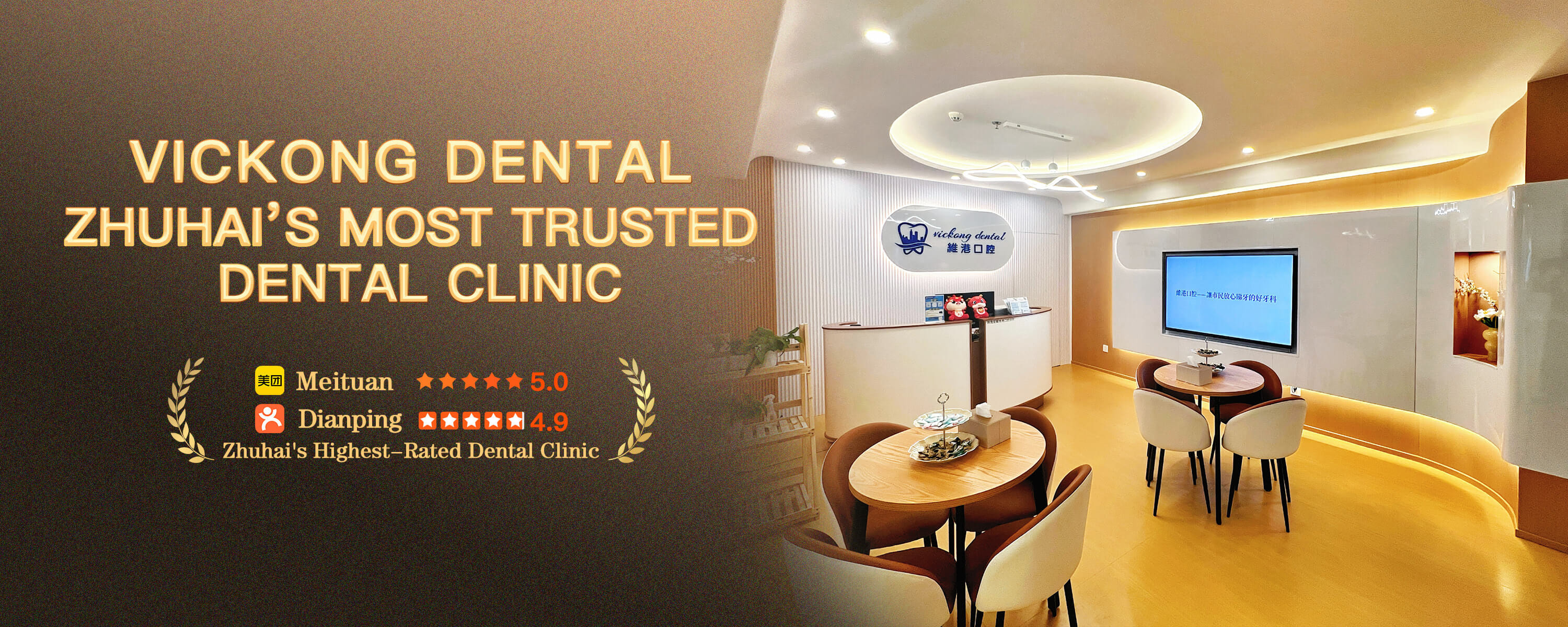
Vickong Dental Chain: A Warm and Comfortable Environment for Treatment


Appointment Hours


Q&A
Why choose Vickong Dental?

Vickong Dental practices the university motto 「Medicine to Benefit Society」, with each branch bringing together highly qualified dentists with doctoral and master’s degrees from Hong Kong and the Mainland, and has maintained seventeen years of steady operation。Recipient of 「2024 Hong Kong Enterprise Leaders Brand」, 「2025 Hong Kong Enterprise Leaders Brand」, a Nobel Biocare Global Trusted Implant Center, and a brand recommended by Metro Radio Hong Kong and Guangdong TV。
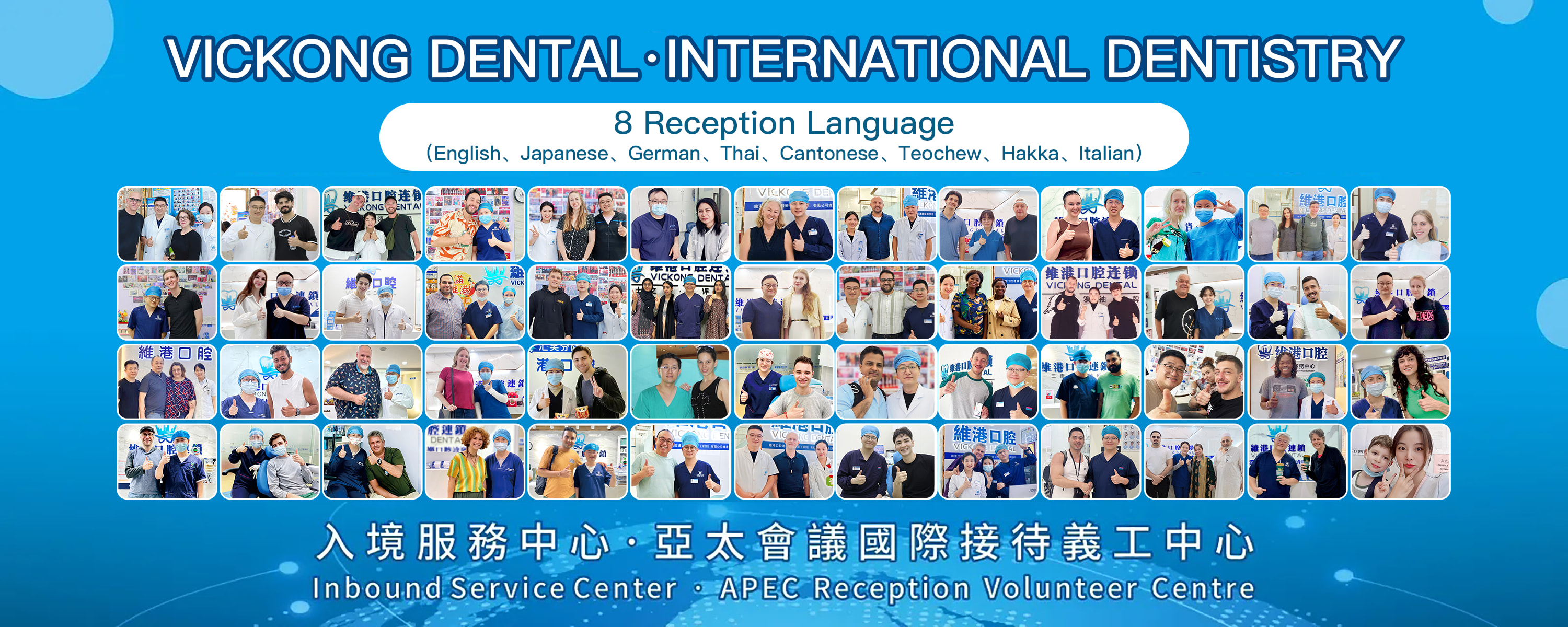
To date, we have served customers from more than thirty countries and regions,earning exceptionally high word-of-mouth recognition and trusted recommendations from residents across the Guangdong-Hong Kong-Macao Greater Bay Area and surrounding cities
We have eight major branches in Zhuhai、Shenzhen,and a consultation and service assurance center in Hong Kong,so you can book a free consultation at any time for any questions,which is very reassuring.
If I do not accept the quotation after the CT scan, will I be charged??
No! As long as the actual treatment has not started, you will not be charged any fees.
Will there be any additional charges during the treatment process?
No, there won’t be any additional charges. Before treatment begins, we will clearly explain the treatment plan and its corresponding fees. Only after the patient agrees and signs the consent form will we proceed with the dental service.
Can I pay in Hong Kong dollars?
Yes. Vickong Dental accepts payment in Hong Kong dollars. The amount will be converted based on the exchange rate of the day, and the applicable rate will be clearly communicated to you in advance.
Can I reschedule my appointment at any time?
Yes. Please contact us via **WeChat** or **WhatsApp** as early as possible, providing your original appointment time and details, along with your preferred new date and time slot for rescheduling.