




**Is the Dental Filling Code Useful After Treatment in Chinese Mainland?**
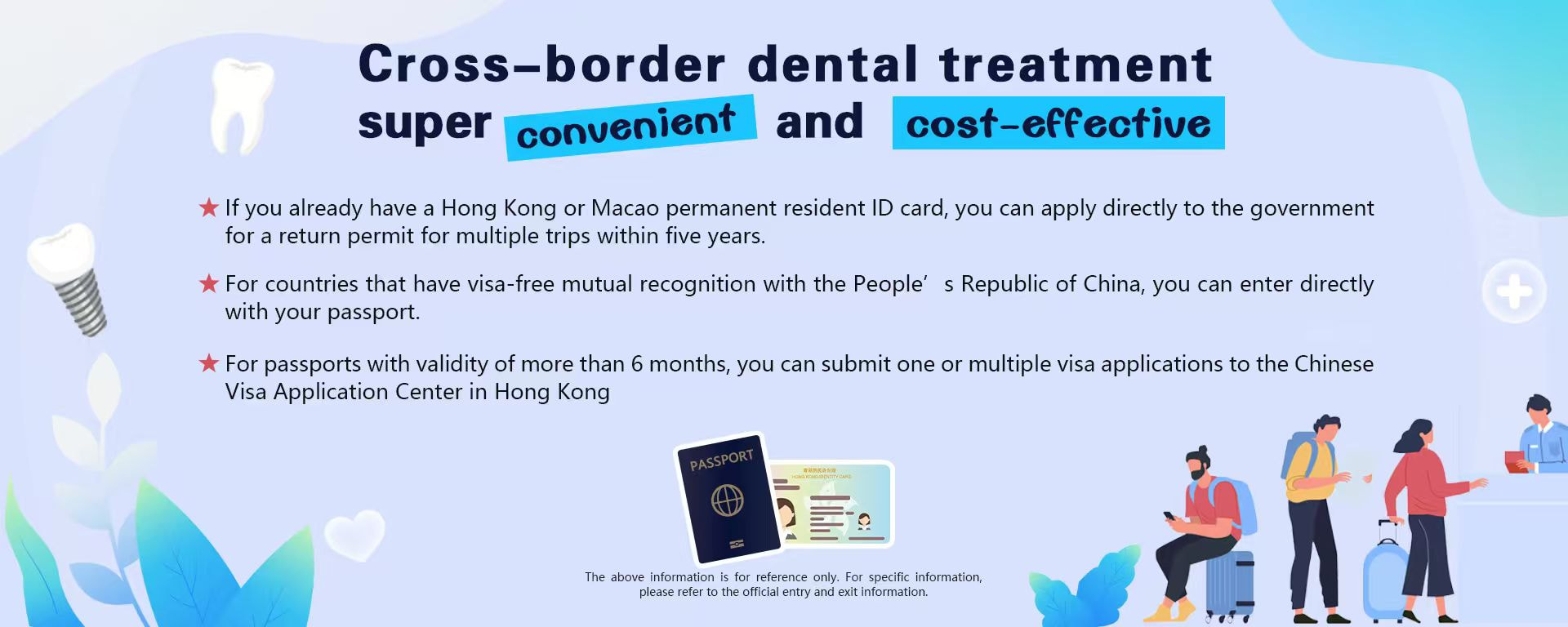
In recent years, many Hong Kong residents have opted to travel to Chinese Mainland, particularly cities like Shenzhen, for dental treatments, including fillings. The reasons are straightforward: convenient transportation, a wide range of options, and typically faster appointment scheduling. After receiving dental care in Chinese Mainland, patients are often given a "filling code" or a "dental treatment record card." But what practical purpose does this code serve? Lets explore this from a practical standpoint.
Firstly, the "filling code" is generally used by dentists to document which tooth was treated, the materials used, and the scope of the treatment. In dental practice, there is a standardized numbering system for teeth, such as different numbers for the first tooth on the upper left and the second tooth on the lower right. The filling code essentially presents this professional numbering system to patients, making it easier to identify previous treatments during future check-ups or further dental work.
However, if you return to Hong Kong for dental care, will local dentists use this code? Honestly, not necessarily, and often they may not adhere to it. The reason is simple: while the numbering systems used by dentists in Chinese Mainland and Hong Kong are similar, there are subtle differences. Some dentists prefer to conduct their own examinations and record the findings to ensure accuracy. Therefore, the filling code can be considered a reference but should not be seen as definitive proof.
On the other hand, some individuals are concerned about potential sensitivity or loosening after a filling, necessitating follow-up with the original dentist. In such cases, the code becomes useful, as the dentist in Chinese Mainland can quickly locate the affected tooth, saving examination time. This convenience is particularly beneficial for those who frequently travel between the two regions.
Additionally, some may wonder, "What if I visit a different dentist?" As long as you keep your treatment records or take images of your teeth, along with th
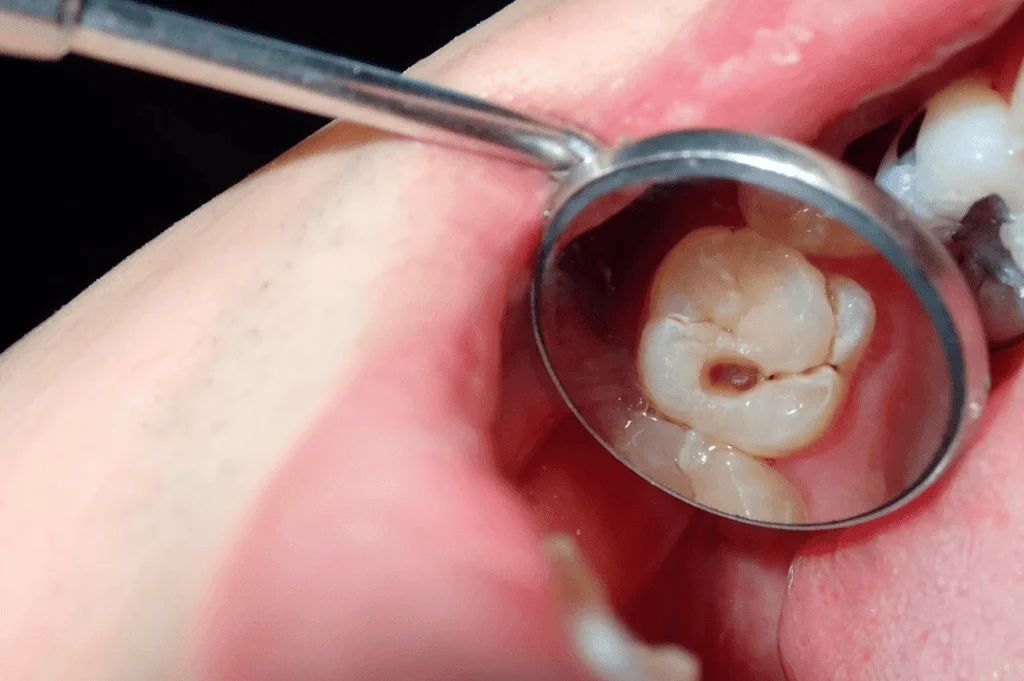 e code, any dentist can deduce the previous treatment location. However, as mentioned earlier, dental practices vary by region, and some dentists may prefer to create new records. Thus, the code serves more as a communication tool between you and the dentist.
Its also important to note that after a filling, its advisable to record the treatment date and the condition of the tooth, rather than relying solely on the code. Sometimes, a written description along with a photo of the tooth can be clearer. For instance, you might write, "Upper left third tooth, filled with resin," which allows any dentist to understand the situation at a glance.
Furthermore, its crucial to protect the filled tooth by avoiding hard foods and being mindful of the edges while brushing. Regular check-ups are essential. Many people assume that once a tooth is filled, it requires no further attention, but the durability of the filling material is influenced by dietary habits and oral hygiene. Whether you receive dental care in Chinese Mainland or Hong Kong, post-treatment care is vital to prolong the lifespan of the filling.
For those who frequently travel to Chinese Mainland, if you find the code useful, consider storing it alongside your dental X-rays. This way, even if you dont return to the original clinic, it can assist a new dentist in quickly understanding your dental condition during follow-up treatments.
In conclusion, while the "filling code" obtained after dental treatment in Chinese Mainland is not without merit, its usefulness is limited and depends on how you utilize it. Follow-up at the original clinic is naturally convenient and swift; if you switch dentists, the code serves as an auxiliary explanation. The most reliable resources are complete treatment records and imaging data. Regardless of where the dental work is performed, maintaining oral health and regular check-ups are key to ensuring the longevity of your teeth. Next time you travel to Chinese Mainland for dental care, consider confirming with your dentist the specific tooth the code represents, so you can communicate confidently with any dentist you visit afterward.
e code, any dentist can deduce the previous treatment location. However, as mentioned earlier, dental practices vary by region, and some dentists may prefer to create new records. Thus, the code serves more as a communication tool between you and the dentist.
Its also important to note that after a filling, its advisable to record the treatment date and the condition of the tooth, rather than relying solely on the code. Sometimes, a written description along with a photo of the tooth can be clearer. For instance, you might write, "Upper left third tooth, filled with resin," which allows any dentist to understand the situation at a glance.
Furthermore, its crucial to protect the filled tooth by avoiding hard foods and being mindful of the edges while brushing. Regular check-ups are essential. Many people assume that once a tooth is filled, it requires no further attention, but the durability of the filling material is influenced by dietary habits and oral hygiene. Whether you receive dental care in Chinese Mainland or Hong Kong, post-treatment care is vital to prolong the lifespan of the filling.
For those who frequently travel to Chinese Mainland, if you find the code useful, consider storing it alongside your dental X-rays. This way, even if you dont return to the original clinic, it can assist a new dentist in quickly understanding your dental condition during follow-up treatments.
In conclusion, while the "filling code" obtained after dental treatment in Chinese Mainland is not without merit, its usefulness is limited and depends on how you utilize it. Follow-up at the original clinic is naturally convenient and swift; if you switch dentists, the code serves as an auxiliary explanation. The most reliable resources are complete treatment records and imaging data. Regardless of where the dental work is performed, maintaining oral health and regular check-ups are key to ensuring the longevity of your teeth. Next time you travel to Chinese Mainland for dental care, consider confirming with your dentist the specific tooth the code represents, so you can communicate confidently with any dentist you visit afterward.
 **Is the Dental Filling Code Useful After Treatment in Chinese Mainland?**
In recent years, many Hong Kong residents have opted to travel to Chinese Mainland, particularly cities like Shenzhen, for dental treatments, including fillings. The reasons are straightforward: convenient transportation, a wide range of options, and typically faster appointment scheduling. After receiving dental care in Chinese Mainland, patients are often given a "filling code" or a "dental treatment record card." But what practical purpose does this code serve? Lets explore this from a practical standpoint.
Firstly, the "filling code" is generally used by dentists to document which tooth was treated, the materials used, and the scope of the treatment. In dental practice, there is a standardized numbering system for teeth, such as different numbers for the first tooth on the upper left and the second tooth on the lower right. The filling code essentially presents this professional numbering system to patients, making it easier to identify previous treatments during future check-ups or further dental work.
However, if you return to Hong Kong for dental care, will local dentists use this code? Honestly, not necessarily, and often they may not adhere to it. The reason is simple: while the numbering systems used by dentists in Chinese Mainland and Hong Kong are similar, there are subtle differences. Some dentists prefer to conduct their own examinations and record the findings to ensure accuracy. Therefore, the filling code can be considered a reference but should not be seen as definitive proof.
On the other hand, some individuals are concerned about potential sensitivity or loosening after a filling, necessitating follow-up with the original dentist. In such cases, the code becomes useful, as the dentist in Chinese Mainland can quickly locate the affected tooth, saving examination time. This convenience is particularly beneficial for those who frequently travel between the two regions.
Additionally, some may wonder, "What if I visit a different dentist?" As long as you keep your treatment records or take images of your teeth, along with th
**Is the Dental Filling Code Useful After Treatment in Chinese Mainland?**
In recent years, many Hong Kong residents have opted to travel to Chinese Mainland, particularly cities like Shenzhen, for dental treatments, including fillings. The reasons are straightforward: convenient transportation, a wide range of options, and typically faster appointment scheduling. After receiving dental care in Chinese Mainland, patients are often given a "filling code" or a "dental treatment record card." But what practical purpose does this code serve? Lets explore this from a practical standpoint.
Firstly, the "filling code" is generally used by dentists to document which tooth was treated, the materials used, and the scope of the treatment. In dental practice, there is a standardized numbering system for teeth, such as different numbers for the first tooth on the upper left and the second tooth on the lower right. The filling code essentially presents this professional numbering system to patients, making it easier to identify previous treatments during future check-ups or further dental work.
However, if you return to Hong Kong for dental care, will local dentists use this code? Honestly, not necessarily, and often they may not adhere to it. The reason is simple: while the numbering systems used by dentists in Chinese Mainland and Hong Kong are similar, there are subtle differences. Some dentists prefer to conduct their own examinations and record the findings to ensure accuracy. Therefore, the filling code can be considered a reference but should not be seen as definitive proof.
On the other hand, some individuals are concerned about potential sensitivity or loosening after a filling, necessitating follow-up with the original dentist. In such cases, the code becomes useful, as the dentist in Chinese Mainland can quickly locate the affected tooth, saving examination time. This convenience is particularly beneficial for those who frequently travel between the two regions.
Additionally, some may wonder, "What if I visit a different dentist?" As long as you keep your treatment records or take images of your teeth, along with th
Vickong Dental
Vickong Dental is a large medical group established in Hong Kong in 2008 by professors from well-known medical universities in Guangdong and Hong Kong, as well as medical doctors from key national '985' universities (including Master's supervisors and senior professors). The chain of branches brings together expert dentists with PhDs and Master's degrees from Hong Kong and Mainland China, committed to providing high-quality dental treatment.
"Vickong Dental Practices the University Motto of 'Healing and Serving Society,' with a Stable Operation for Sixteen Years. It Has Been honored with Hong Kong Enterprise Leaders's Choice,' and is a Global Trusted Implant Center for the Nobel Implant System. Recommended by Hong Kong Metro Broadcast and Guangdong Television, it Serves Customers from Over Thirty Countries and Regions, Gaining the Trust and Favor of Citizens from the Guangdong-Hong Kong-Macau Greater Bay Area and Surrounding Cities.


Thousands of customers' unanimous praise
The most recognized and highly recommended dental service by customers in the Guangdong-Hong Kong-Macau Greater Bay Area









We Ensure You Receive Detailed Care and Attention Here
Hong Kong standards, Shenzhen prices, Your Trusted English-speaking dentists

Vickong Dental Medical-Grade Instrument Disinfection Process

Vickong Dental Medical-Grade Instrument Disinfection Process

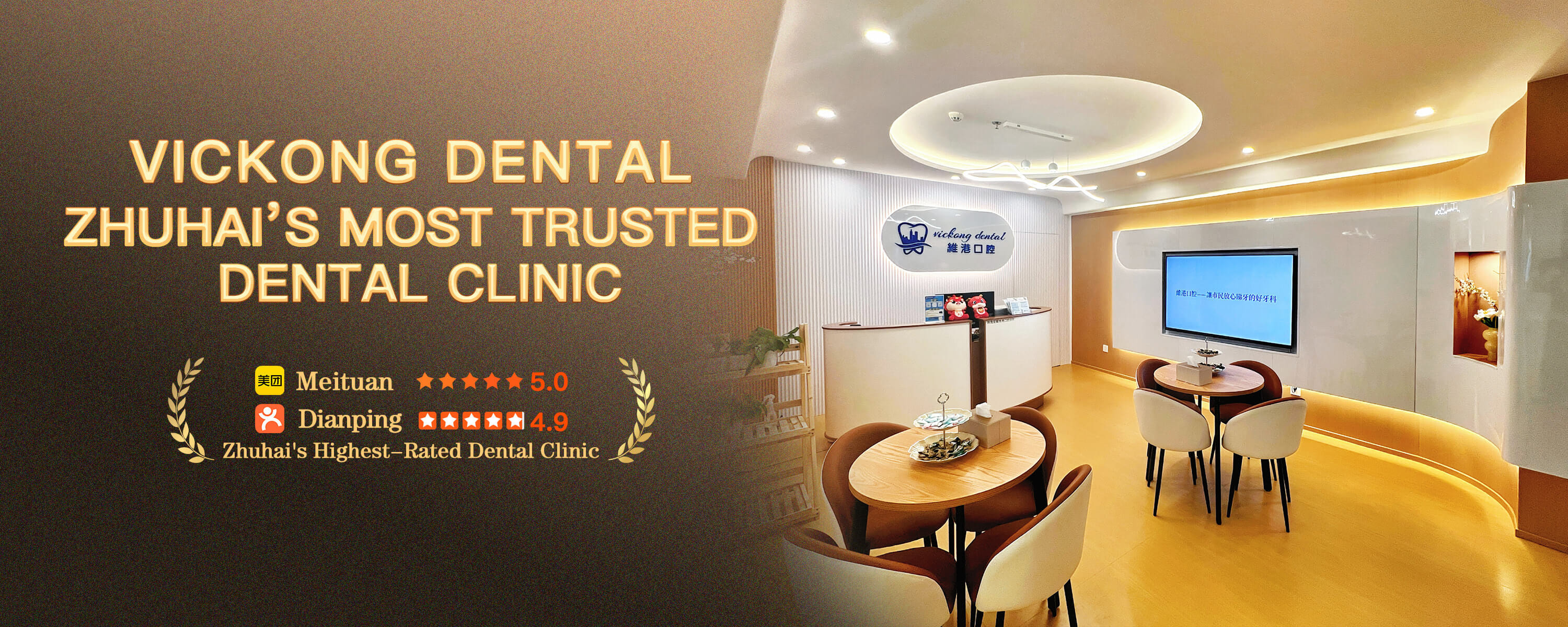
Vickong Dental Chain: A Warm and Comfortable Environment for Treatment


Appointment Hours


Q&A
Why choose Vickong Dental?

Vickong Dental practices the university motto 「Medicine to Benefit Society」, with each branch bringing together highly qualified dentists with doctoral and master’s degrees from Hong Kong and the Mainland, and has maintained seventeen years of steady operation。Recipient of 「2024 Hong Kong Enterprise Leaders Brand」, 「2025 Hong Kong Enterprise Leaders Brand」, a Nobel Biocare Global Trusted Implant Center, and a brand recommended by Metro Radio Hong Kong and Guangdong TV。
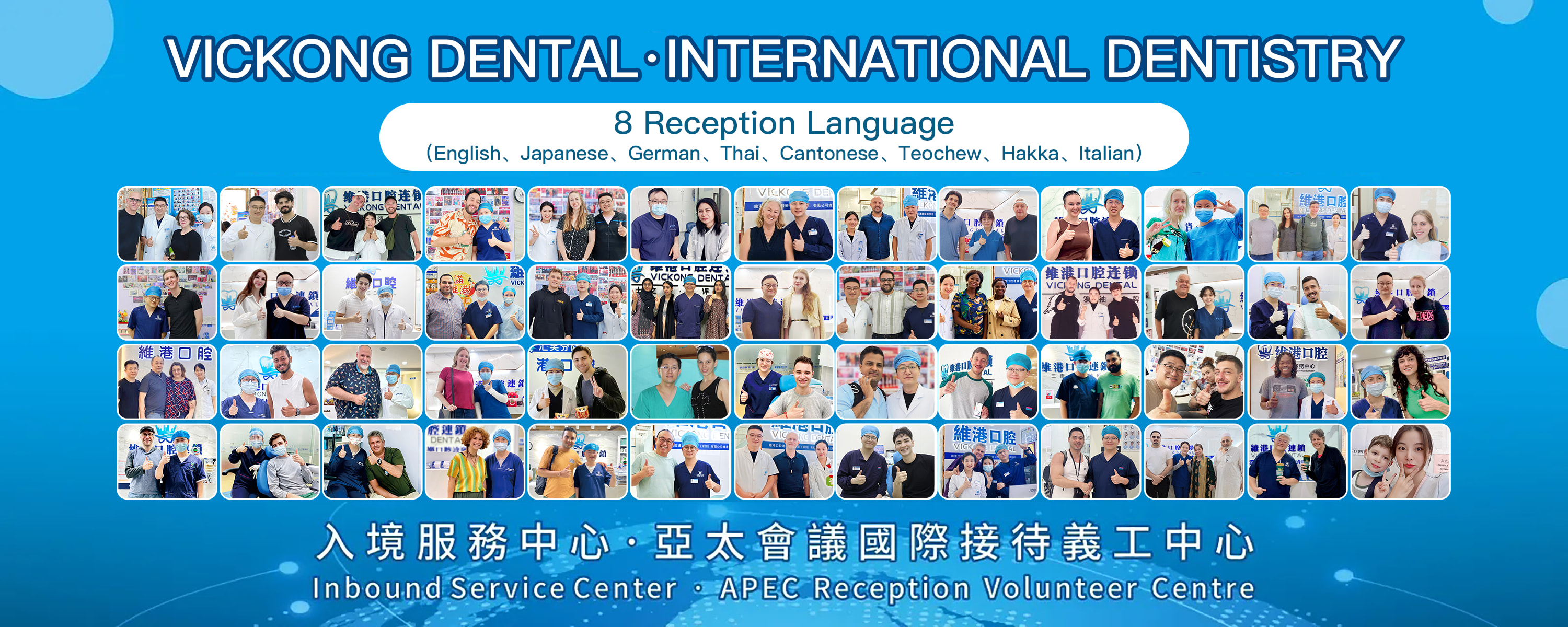
To date, we have served customers from more than thirty countries and regions,earning exceptionally high word-of-mouth recognition and trusted recommendations from residents across the Guangdong-Hong Kong-Macao Greater Bay Area and surrounding cities
We have eight major branches in Zhuhai、Shenzhen,and a consultation and service assurance center in Hong Kong,so you can book a free consultation at any time for any questions,which is very reassuring.
If I do not accept the quotation after the CT scan, will I be charged??
No! As long as the actual treatment has not started, you will not be charged any fees.
Will there be any additional charges during the treatment process?
No, there won’t be any additional charges. Before treatment begins, we will clearly explain the treatment plan and its corresponding fees. Only after the patient agrees and signs the consent form will we proceed with the dental service.
Can I pay in Hong Kong dollars?
Yes. Vickong Dental accepts payment in Hong Kong dollars. The amount will be converted based on the exchange rate of the day, and the applicable rate will be clearly communicated to you in advance.
Can I reschedule my appointment at any time?
Yes. Please contact us via **WeChat** or **WhatsApp** as early as possible, providing your original appointment time and details, along with your preferred new date and time slot for rescheduling.