




**Assessing the Durability of Dental Fillings and Crowns When Traveling to Chinese Mainland**
In recent years, many individuals have opted to travel to Chinese Mainland for dental treatments, including fillings and crowns (commonly referred to as dental bridges or crowns). One of the primary concerns is the durability of these dental restorations and whether investing time and effort in such treatments is worthwhile. Evaluating durability involves more than just considering materials and techniques; it also requires attention to daily oral care and personal dental health. Here, we share key insights to ensure a successful dental journey.
**1. Understanding Your Dental Health**
The foundation of durability begins with your dental health. If your gums are healthy and your teeth are stable, dental restorations tend to last longer. Conversely, severe periodontal disease or loose teeth can compromise even the finest dental work. Before heading to Chinese Mainland, consider a comprehensive dental check-up locally to identify any underlying issues. This allows the dentist to offer precise recommendations.
**2. Quality of Materials**
The choice of materials significantly impacts the longevity of dental restorations. Common options include porcelain, porcelain-fused-to-metal crowns, and zirconia crowns. Generally, materials with high hardness and wear resistance are more durable, though they may be brittle when biting hard foods. When opting for dental work in Chinese Mainland, inquire about the type of materials used, their origin, and quality certifications to ensure compliance with regional standards.
**3. Expertise and Craftsmanship**
Even with top-notch materials, poor craftsmanship can lead to issues like improper fit or bite alignment, resulting in debris accumulation, gum inflammation, or even restoration detachment. Prior to your visit, research the clinics reviews online, paying attention to comments about meticulous work and comfortable bite. After installation, dentists typically conduct bite tests; ensure there are no discomforts or misalignments.
**4. Personal Habits and Usage**
Your daily habits also influence durability. Avoid using restored teeth to bite hard objects like bottle caps, hard candies, or bones, and
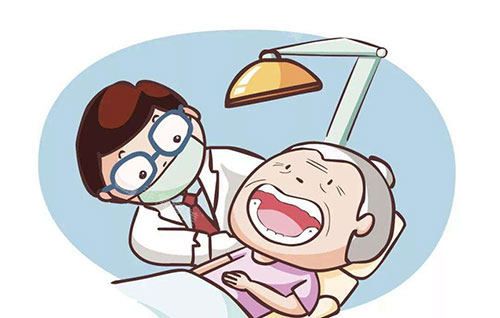 refrain from using teeth to open packages. After eating, rinse and brush to minimize plaque and stains, thus extending the lifespan of restorations. Regular check-ups are crucial, even if theres no pain, to assess the condition of restorations and surrounding teeth.
**5. Oral Hygiene Maintenance**
Post-treatment, maintaining oral hygiene is vital. The junction between restorations and natural teeth is prone to debris accumulation and bacterial growth. Use dental floss or water flossers for thorough cleaning. Ensure comprehensive brushing before bed to reduce bacterial activity, promoting gum health and prolonging restoration life.
**6. Regular Follow-Up Examinations**
Dont assume that once restorations are done, they require no further attention. Regular follow-up exams are essential, whether done locally or in Chinese Mainland. Ideally, visit the dentist every six months to a year for assessments. Dentists can check for wear, displacement, or new issues with adjacent teeth. Early detection of cracks or minor chips can prevent more significant problems.
**7. Adaptation Period Considerations**
After receiving new restorations, there will be an adaptation period, potentially causing mild foreign body sensations or altered bite. During this time, avoid biting hard foods. Start with soft foods to allow teeth and gums to adjust to the new shape and hardness. Proper adaptation facilitates better integration and enhances durability.
**8. Mindset and Confidence**
When traveling to Chinese Mainland for dental work, its crucial to maintain a relaxed mindset and trust professional advice. Avoid being swayed by isolated negative online reviews, as many clinics boast exceptional technology and professional management. With thorough preparation and finding the right dentist, the durability of restorations can match local standards.
In summary, the durability of dental restorations in Chinese Mainland depends on multiple factors, including personal dental health, material selection, dentist expertise, daily care habits, and regular follow-ups. By paying attention to each step and maintaining proper care, cross-border dental treatments can ensure lasting restorations, enhancing your smile and allowing you to enjoy life with confidence.
refrain from using teeth to open packages. After eating, rinse and brush to minimize plaque and stains, thus extending the lifespan of restorations. Regular check-ups are crucial, even if theres no pain, to assess the condition of restorations and surrounding teeth.
**5. Oral Hygiene Maintenance**
Post-treatment, maintaining oral hygiene is vital. The junction between restorations and natural teeth is prone to debris accumulation and bacterial growth. Use dental floss or water flossers for thorough cleaning. Ensure comprehensive brushing before bed to reduce bacterial activity, promoting gum health and prolonging restoration life.
**6. Regular Follow-Up Examinations**
Dont assume that once restorations are done, they require no further attention. Regular follow-up exams are essential, whether done locally or in Chinese Mainland. Ideally, visit the dentist every six months to a year for assessments. Dentists can check for wear, displacement, or new issues with adjacent teeth. Early detection of cracks or minor chips can prevent more significant problems.
**7. Adaptation Period Considerations**
After receiving new restorations, there will be an adaptation period, potentially causing mild foreign body sensations or altered bite. During this time, avoid biting hard foods. Start with soft foods to allow teeth and gums to adjust to the new shape and hardness. Proper adaptation facilitates better integration and enhances durability.
**8. Mindset and Confidence**
When traveling to Chinese Mainland for dental work, its crucial to maintain a relaxed mindset and trust professional advice. Avoid being swayed by isolated negative online reviews, as many clinics boast exceptional technology and professional management. With thorough preparation and finding the right dentist, the durability of restorations can match local standards.
In summary, the durability of dental restorations in Chinese Mainland depends on multiple factors, including personal dental health, material selection, dentist expertise, daily care habits, and regular follow-ups. By paying attention to each step and maintaining proper care, cross-border dental treatments can ensure lasting restorations, enhancing your smile and allowing you to enjoy life with confidence.
 **Assessing the Durability of Dental Fillings and Crowns When Traveling to Chinese Mainland**
In recent years, many individuals have opted to travel to Chinese Mainland for dental treatments, including fillings and crowns (commonly referred to as dental bridges or crowns). One of the primary concerns is the durability of these dental restorations and whether investing time and effort in such treatments is worthwhile. Evaluating durability involves more than just considering materials and techniques; it also requires attention to daily oral care and personal dental health. Here, we share key insights to ensure a successful dental journey.
**1. Understanding Your Dental Health**
The foundation of durability begins with your dental health. If your gums are healthy and your teeth are stable, dental restorations tend to last longer. Conversely, severe periodontal disease or loose teeth can compromise even the finest dental work. Before heading to Chinese Mainland, consider a comprehensive dental check-up locally to identify any underlying issues. This allows the dentist to offer precise recommendations.
**2. Quality of Materials**
The choice of materials significantly impacts the longevity of dental restorations. Common options include porcelain, porcelain-fused-to-metal crowns, and zirconia crowns. Generally, materials with high hardness and wear resistance are more durable, though they may be brittle when biting hard foods. When opting for dental work in Chinese Mainland, inquire about the type of materials used, their origin, and quality certifications to ensure compliance with regional standards.
**3. Expertise and Craftsmanship**
Even with top-notch materials, poor craftsmanship can lead to issues like improper fit or bite alignment, resulting in debris accumulation, gum inflammation, or even restoration detachment. Prior to your visit, research the clinics reviews online, paying attention to comments about meticulous work and comfortable bite. After installation, dentists typically conduct bite tests; ensure there are no discomforts or misalignments.
**4. Personal Habits and Usage**
Your daily habits also influence durability. Avoid using restored teeth to bite hard objects like bottle caps, hard candies, or bones, and
**Assessing the Durability of Dental Fillings and Crowns When Traveling to Chinese Mainland**
In recent years, many individuals have opted to travel to Chinese Mainland for dental treatments, including fillings and crowns (commonly referred to as dental bridges or crowns). One of the primary concerns is the durability of these dental restorations and whether investing time and effort in such treatments is worthwhile. Evaluating durability involves more than just considering materials and techniques; it also requires attention to daily oral care and personal dental health. Here, we share key insights to ensure a successful dental journey.
**1. Understanding Your Dental Health**
The foundation of durability begins with your dental health. If your gums are healthy and your teeth are stable, dental restorations tend to last longer. Conversely, severe periodontal disease or loose teeth can compromise even the finest dental work. Before heading to Chinese Mainland, consider a comprehensive dental check-up locally to identify any underlying issues. This allows the dentist to offer precise recommendations.
**2. Quality of Materials**
The choice of materials significantly impacts the longevity of dental restorations. Common options include porcelain, porcelain-fused-to-metal crowns, and zirconia crowns. Generally, materials with high hardness and wear resistance are more durable, though they may be brittle when biting hard foods. When opting for dental work in Chinese Mainland, inquire about the type of materials used, their origin, and quality certifications to ensure compliance with regional standards.
**3. Expertise and Craftsmanship**
Even with top-notch materials, poor craftsmanship can lead to issues like improper fit or bite alignment, resulting in debris accumulation, gum inflammation, or even restoration detachment. Prior to your visit, research the clinics reviews online, paying attention to comments about meticulous work and comfortable bite. After installation, dentists typically conduct bite tests; ensure there are no discomforts or misalignments.
**4. Personal Habits and Usage**
Your daily habits also influence durability. Avoid using restored teeth to bite hard objects like bottle caps, hard candies, or bones, and
Vickong Dental
Vickong Dental is a large medical group established in Hong Kong in 2008 by professors from well-known medical universities in Guangdong and Hong Kong, as well as medical doctors from key national '985' universities (including Master's supervisors and senior professors). The chain of branches brings together expert dentists with PhDs and Master's degrees from Hong Kong and Mainland China, committed to providing high-quality dental treatment.
"Vickong Dental Practices the University Motto of 'Healing and Serving Society,' with a Stable Operation for Sixteen Years. It Has Been honored with Hong Kong Enterprise Leaders's Choice,' and is a Global Trusted Implant Center for the Nobel Implant System. Recommended by Hong Kong Metro Broadcast and Guangdong Television, it Serves Customers from Over Thirty Countries and Regions, Gaining the Trust and Favor of Citizens from the Guangdong-Hong Kong-Macau Greater Bay Area and Surrounding Cities.


Thousands of customers' unanimous praise
The most recognized and highly recommended dental service by customers in the Guangdong-Hong Kong-Macau Greater Bay Area









We Ensure You Receive Detailed Care and Attention Here
Hong Kong standards, Shenzhen prices, Your Trusted English-speaking dentists

Vickong Dental Medical-Grade Instrument Disinfection Process

Vickong Dental Medical-Grade Instrument Disinfection Process

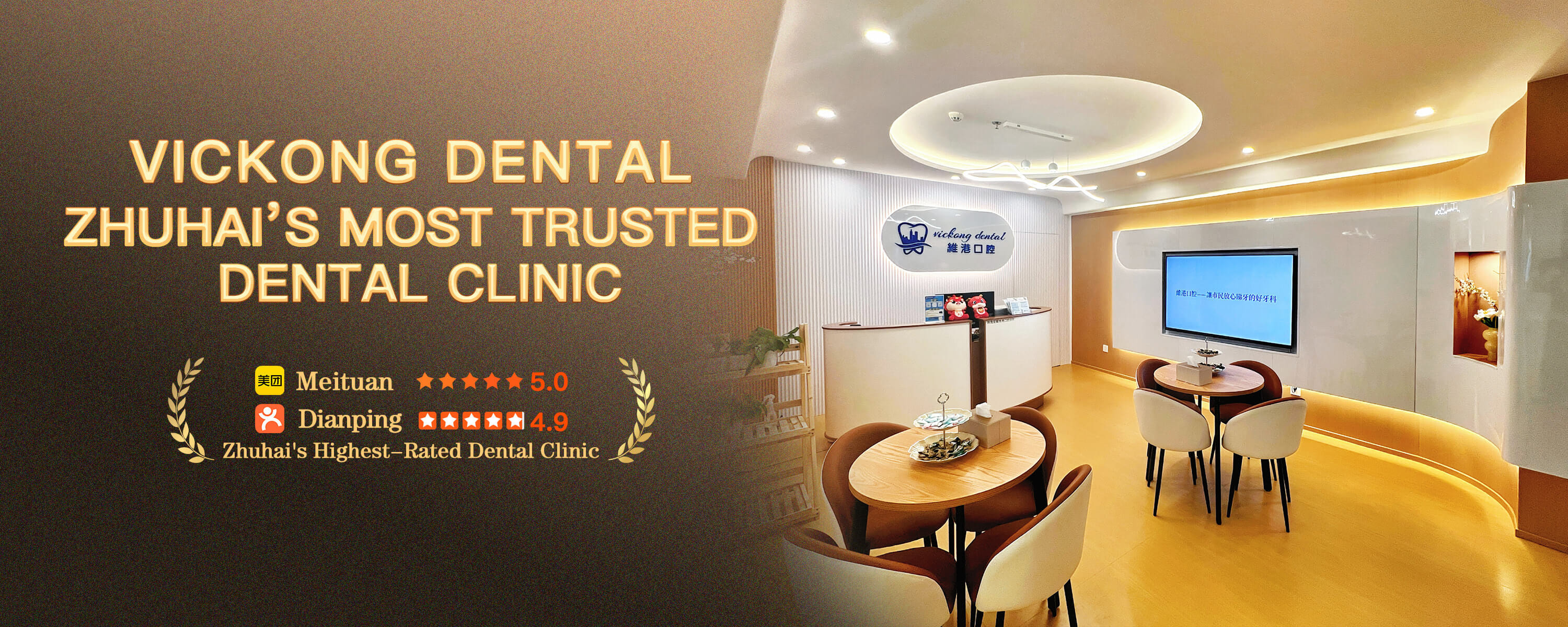
Vickong Dental Chain: A Warm and Comfortable Environment for Treatment


Appointment Hours


Q&A
Why choose Vickong Dental?

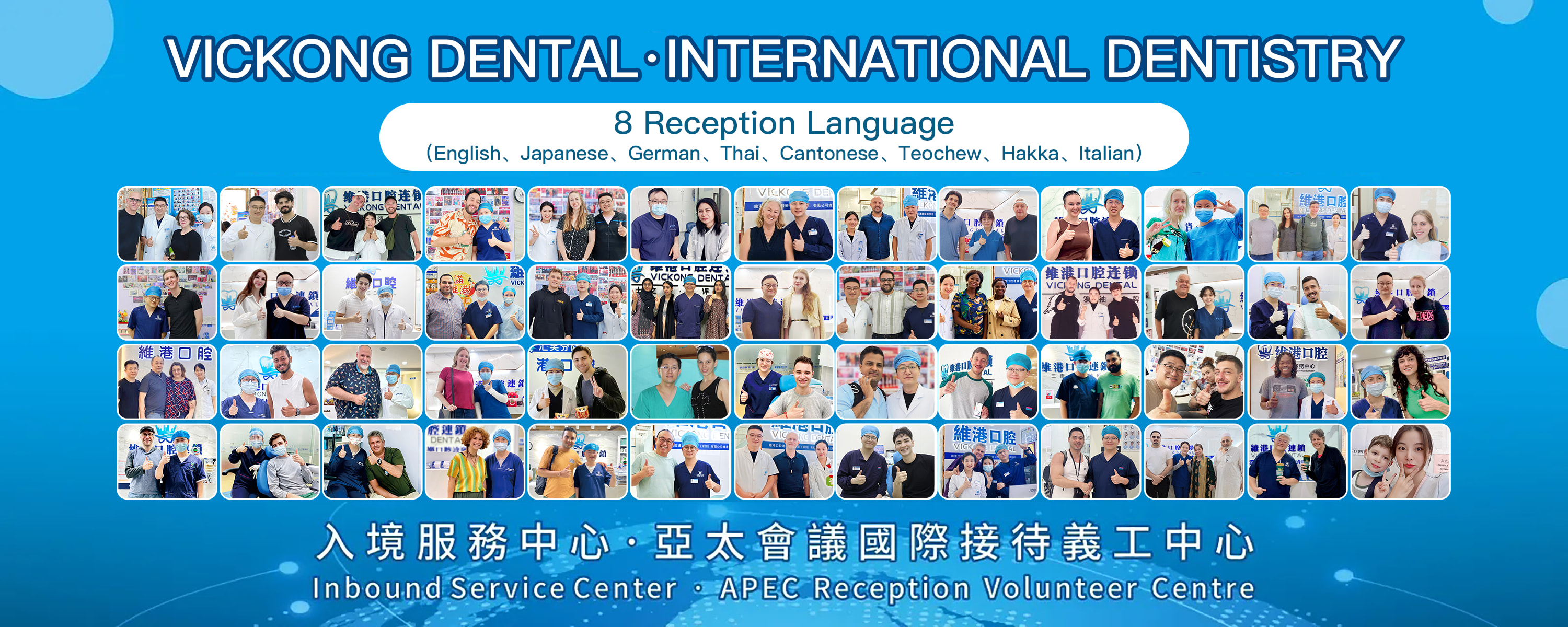
Vickong Dental practices the university motto 「Medicine to Benefit Society」, with each branch bringing together highly qualified dentists with doctoral and master’s degrees from Hong Kong and the Mainland, and has maintained seventeen years of steady operation。Recipient of 「2024 Hong Kong Enterprise Leaders Brand」, 「2025 Hong Kong Enterprise Leaders Brand」, a Nobel Biocare Global Trusted Implant Center, and a brand recommended by Metro Radio Hong Kong and Guangdong TV。
To date, we have served customers from more than thirty countries and regions,earning exceptionally high word-of-mouth recognition and trusted recommendations from residents across the Guangdong-Hong Kong-Macao Greater Bay Area and surrounding cities
We have eight major branches in Zhuhai、Shenzhen,and a consultation and service assurance center in Hong Kong,so you can book a free consultation at any time for any questions,which is very reassuring.
If I do not accept the quotation after the CT scan, will I be charged??
No! As long as the actual treatment has not started, you will not be charged any fees.
Will there be any additional charges during the treatment process?
No, there won’t be any additional charges. Before treatment begins, we will clearly explain the treatment plan and its corresponding fees. Only after the patient agrees and signs the consent form will we proceed with the dental service.
Can I pay in Hong Kong dollars?
Yes. Vickong Dental accepts payment in Hong Kong dollars. The amount will be converted based on the exchange rate of the day, and the applicable rate will be clearly communicated to you in advance.
Can I reschedule my appointment at any time?
Yes. Please contact us via **WeChat** or **WhatsApp** as early as possible, providing your original appointment time and details, along with your preferred new date and time slot for rescheduling.