




**How to Determine If You Need Dental Fillings Before Traveling to Chinese Mainland**
Recently, an increasing number of Hong Kong residents are opting to travel to Chinese Mainland for dental fillings, not only due to convenient transportation but also because of the wider range of options available. However, before making the trip, many people wonder: Do I really need a dental filling? To avoid unnecessary travel, its essential to assess your dental needs beforehand. Here, we discuss simple methods to help you determine if you require a dental filling.
**1. Monitor Tooth Pain and Sensitivity**
Do you experience toothache or sensitivity when biting food or drinking hot or cold beverages? If your teeth feel sharp pain when drinking cold water or eating hot soup, and the pain persists for several seconds, it may indicate tooth decay or enamel damage. Such symptoms often signal the early stages of cavities, and addressing them promptly can prevent further deterioration.
**2. Examine Changes on Tooth Surfaces**
Using a small mirror at home, observe your teeth for noticeable discoloration, dark spots, or tiny holes. Early-stage cavities may not cause pain but can lead to changes in color or surface texture. Pay special attention to areas between teeth, as they are prone to accumulating plaque. If you notice visible cracks or chips, its time to be vigilant.
**3. Changes in Bite and Tooth Alignment**
Some people notice that their bite feels different, or a specific tooth seems loose or feels strange when chewing. Changes in bite can occur due to tooth decay eroding the enamel or a tooth chipping. Ignoring these issues may affect the health of adjacent teeth.
**4. Gum Health**
Red, swollen gums or frequent bleeding may not always indicate cavities but could be signs of periodontal disease. Compromised gum health makes teeth more susceptible to problems. Gum recession exposing tooth roots can increase sensitivity, potentially leading to the need
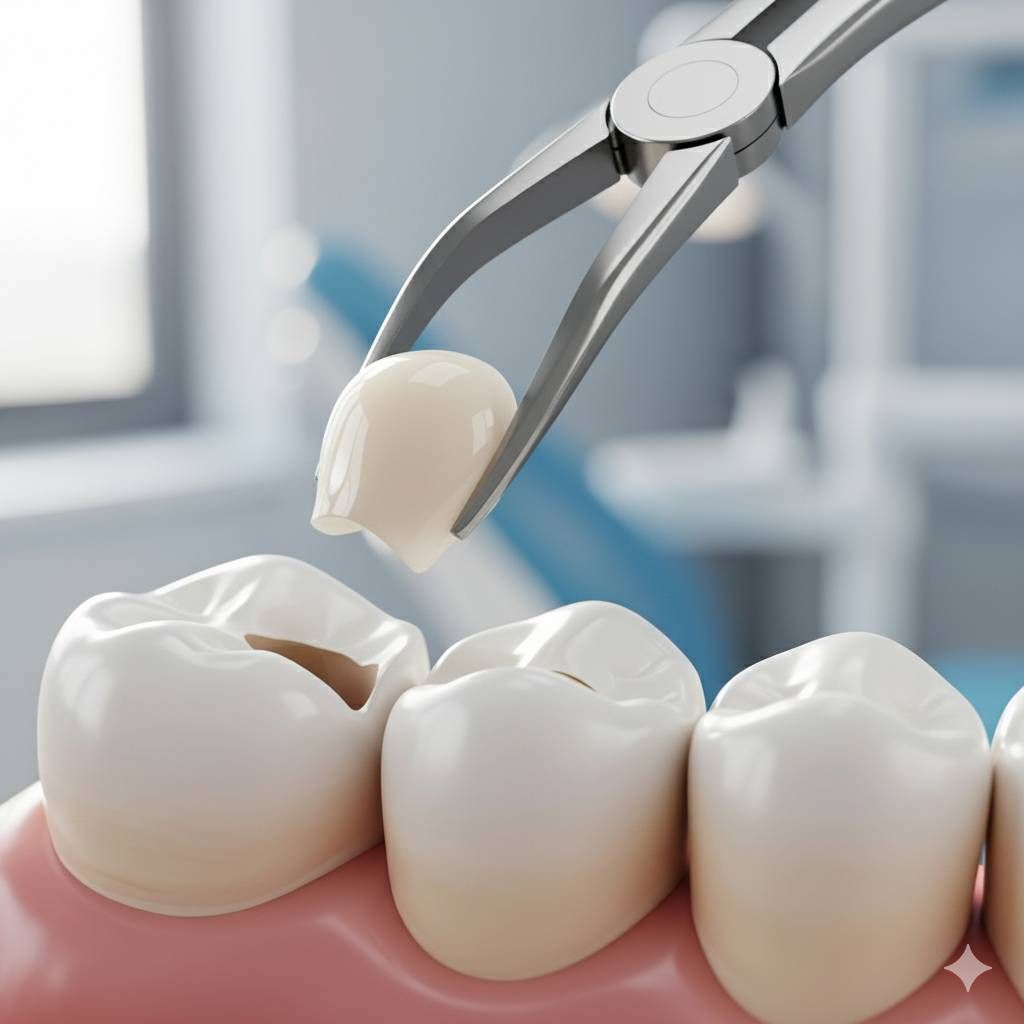 for fillings or other treatments. Always check your gums after brushing.
**5. Unpleasant Smell and Bad Breath**
If you notice a sudden deterioration in your breath that doesnt improve with rinsing or brushing, it might be due to tooth decay or food debris trapped between teeth. Bacteria accumulation in decayed areas can worsen oral odor, which is a signal worth noting.
**6. Importance of Regular Check-Ups**
Many early-stage cavities dont present obvious symptoms, so the absence of pain doesnt guarantee healthy teeth. Regular dental check-ups can help detect minor cavities early, and X-rays can reveal internal tooth damage. Before planning a trip to Chinese Mainland for dental work, its advisable to get a basic check-up in Hong Kong to have a better understanding of your dental health.
**7. Preparation After Assessment**
If your observations suggest dental issues, document details such as the location of pain, duration, and intensity. Presenting this information to a dentist can expedite diagnosis and treatment planning. Before traveling, remember to bring your health records to help local dentists understand your oral history.
**8. Prevention is Better Than Cure**
While dental fillings can resolve tooth issues, prevention is always the first step. Maintaining proper brushing techniques, using dental floss to clean between teeth, and reducing intake of sugary and acidic foods can decrease the likelihood of needing fillings. If you decide to travel for dental work, do your homework in advance, choose reputable clinics, and familiarize yourself with treatment procedures for a smoother experience.
In summary, while traveling to Chinese Mainland for dental fillings is convenient, determining whether you need a filling is best achieved through careful observation of your teeth and gums, along with regular dental check-ups. Early detection and treatment are key to maintaining oral health, ensuring peace of mind whether in Hong Kong or abroad.
for fillings or other treatments. Always check your gums after brushing.
**5. Unpleasant Smell and Bad Breath**
If you notice a sudden deterioration in your breath that doesnt improve with rinsing or brushing, it might be due to tooth decay or food debris trapped between teeth. Bacteria accumulation in decayed areas can worsen oral odor, which is a signal worth noting.
**6. Importance of Regular Check-Ups**
Many early-stage cavities dont present obvious symptoms, so the absence of pain doesnt guarantee healthy teeth. Regular dental check-ups can help detect minor cavities early, and X-rays can reveal internal tooth damage. Before planning a trip to Chinese Mainland for dental work, its advisable to get a basic check-up in Hong Kong to have a better understanding of your dental health.
**7. Preparation After Assessment**
If your observations suggest dental issues, document details such as the location of pain, duration, and intensity. Presenting this information to a dentist can expedite diagnosis and treatment planning. Before traveling, remember to bring your health records to help local dentists understand your oral history.
**8. Prevention is Better Than Cure**
While dental fillings can resolve tooth issues, prevention is always the first step. Maintaining proper brushing techniques, using dental floss to clean between teeth, and reducing intake of sugary and acidic foods can decrease the likelihood of needing fillings. If you decide to travel for dental work, do your homework in advance, choose reputable clinics, and familiarize yourself with treatment procedures for a smoother experience.
In summary, while traveling to Chinese Mainland for dental fillings is convenient, determining whether you need a filling is best achieved through careful observation of your teeth and gums, along with regular dental check-ups. Early detection and treatment are key to maintaining oral health, ensuring peace of mind whether in Hong Kong or abroad.
 **How to Determine If You Need Dental Fillings Before Traveling to Chinese Mainland**
Recently, an increasing number of Hong Kong residents are opting to travel to Chinese Mainland for dental fillings, not only due to convenient transportation but also because of the wider range of options available. However, before making the trip, many people wonder: Do I really need a dental filling? To avoid unnecessary travel, its essential to assess your dental needs beforehand. Here, we discuss simple methods to help you determine if you require a dental filling.
**1. Monitor Tooth Pain and Sensitivity**
Do you experience toothache or sensitivity when biting food or drinking hot or cold beverages? If your teeth feel sharp pain when drinking cold water or eating hot soup, and the pain persists for several seconds, it may indicate tooth decay or enamel damage. Such symptoms often signal the early stages of cavities, and addressing them promptly can prevent further deterioration.
**2. Examine Changes on Tooth Surfaces**
Using a small mirror at home, observe your teeth for noticeable discoloration, dark spots, or tiny holes. Early-stage cavities may not cause pain but can lead to changes in color or surface texture. Pay special attention to areas between teeth, as they are prone to accumulating plaque. If you notice visible cracks or chips, its time to be vigilant.
**3. Changes in Bite and Tooth Alignment**
Some people notice that their bite feels different, or a specific tooth seems loose or feels strange when chewing. Changes in bite can occur due to tooth decay eroding the enamel or a tooth chipping. Ignoring these issues may affect the health of adjacent teeth.
**4. Gum Health**
Red, swollen gums or frequent bleeding may not always indicate cavities but could be signs of periodontal disease. Compromised gum health makes teeth more susceptible to problems. Gum recession exposing tooth roots can increase sensitivity, potentially leading to the need
**How to Determine If You Need Dental Fillings Before Traveling to Chinese Mainland**
Recently, an increasing number of Hong Kong residents are opting to travel to Chinese Mainland for dental fillings, not only due to convenient transportation but also because of the wider range of options available. However, before making the trip, many people wonder: Do I really need a dental filling? To avoid unnecessary travel, its essential to assess your dental needs beforehand. Here, we discuss simple methods to help you determine if you require a dental filling.
**1. Monitor Tooth Pain and Sensitivity**
Do you experience toothache or sensitivity when biting food or drinking hot or cold beverages? If your teeth feel sharp pain when drinking cold water or eating hot soup, and the pain persists for several seconds, it may indicate tooth decay or enamel damage. Such symptoms often signal the early stages of cavities, and addressing them promptly can prevent further deterioration.
**2. Examine Changes on Tooth Surfaces**
Using a small mirror at home, observe your teeth for noticeable discoloration, dark spots, or tiny holes. Early-stage cavities may not cause pain but can lead to changes in color or surface texture. Pay special attention to areas between teeth, as they are prone to accumulating plaque. If you notice visible cracks or chips, its time to be vigilant.
**3. Changes in Bite and Tooth Alignment**
Some people notice that their bite feels different, or a specific tooth seems loose or feels strange when chewing. Changes in bite can occur due to tooth decay eroding the enamel or a tooth chipping. Ignoring these issues may affect the health of adjacent teeth.
**4. Gum Health**
Red, swollen gums or frequent bleeding may not always indicate cavities but could be signs of periodontal disease. Compromised gum health makes teeth more susceptible to problems. Gum recession exposing tooth roots can increase sensitivity, potentially leading to the need
Vickong Dental
Vickong Dental is a large medical group established in Hong Kong in 2008 by professors from well-known medical universities in Guangdong and Hong Kong, as well as medical doctors from key national '985' universities (including Master's supervisors and senior professors). The chain of branches brings together expert dentists with PhDs and Master's degrees from Hong Kong and Mainland China, committed to providing high-quality dental treatment.
"Vickong Dental Practices the University Motto of 'Healing and Serving Society,' with a Stable Operation for Sixteen Years. It Has Been honored with Hong Kong Enterprise Leaders's Choice,' and is a Global Trusted Implant Center for the Nobel Implant System. Recommended by Hong Kong Metro Broadcast and Guangdong Television, it Serves Customers from Over Thirty Countries and Regions, Gaining the Trust and Favor of Citizens from the Guangdong-Hong Kong-Macau Greater Bay Area and Surrounding Cities.


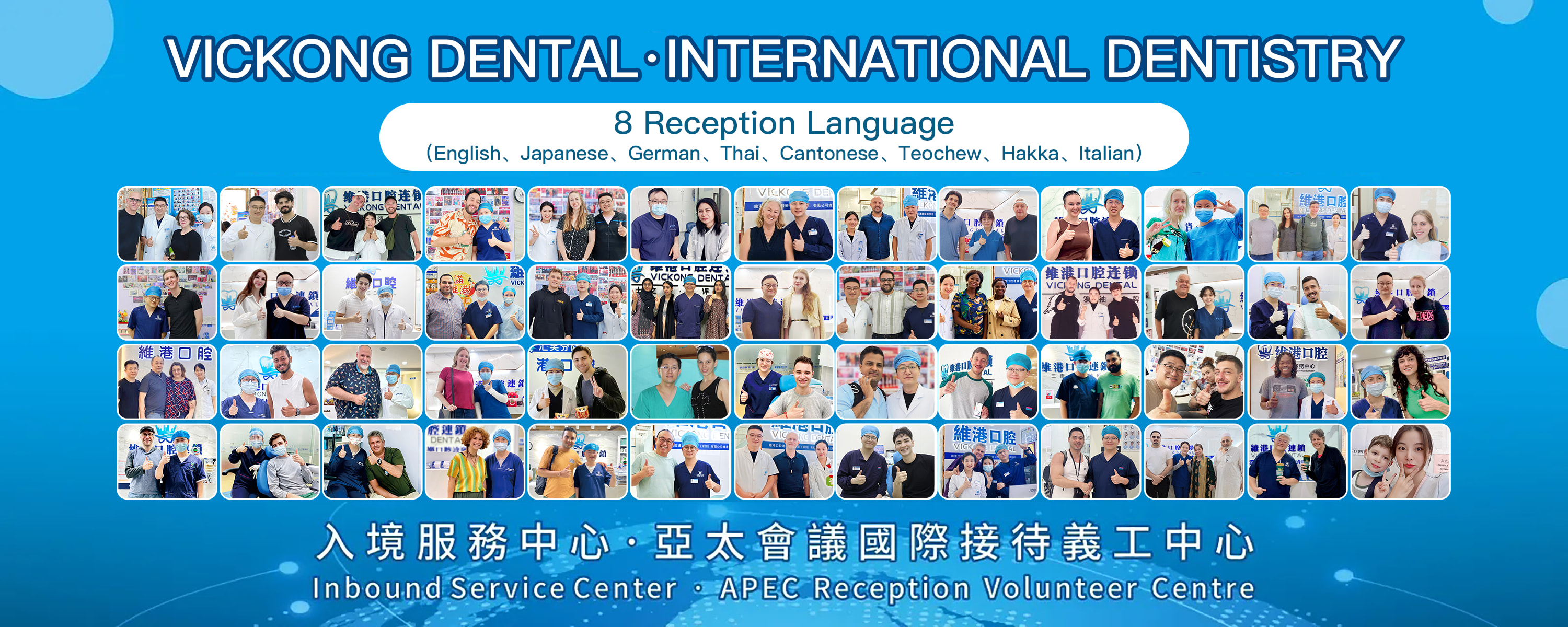
Thousands of customers' unanimous praise
The most recognized and highly recommended dental service by customers in the Guangdong-Hong Kong-Macau Greater Bay Area









We Ensure You Receive Detailed Care and Attention Here
Hong Kong standards, Shenzhen prices, Your Trusted English-speaking dentists

Vickong Dental Medical-Grade Instrument Disinfection Process

Vickong Dental Medical-Grade Instrument Disinfection Process

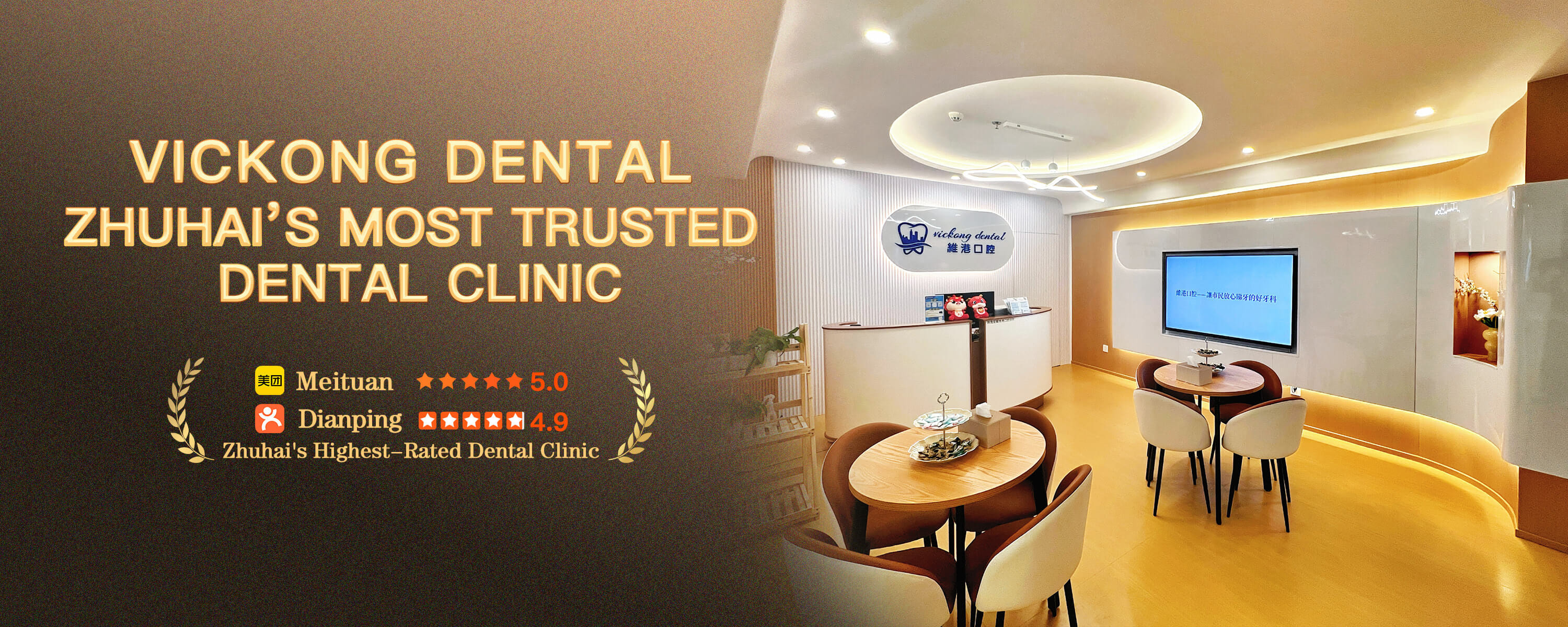
Vickong Dental Chain: A Warm and Comfortable Environment for Treatment


Appointment Hours


Q&A
Why choose Vickong Dental?

Vickong Dental practices the university motto 「Medicine to Benefit Society」, with each branch bringing together highly qualified dentists with doctoral and master’s degrees from Hong Kong and the Mainland, and has maintained seventeen years of steady operation。Recipient of 「2024 Hong Kong Enterprise Leaders Brand」, 「2025 Hong Kong Enterprise Leaders Brand」, a Nobel Biocare Global Trusted Implant Center, and a brand recommended by Metro Radio Hong Kong and Guangdong TV。
To date, we have served customers from more than thirty countries and regions,earning exceptionally high word-of-mouth recognition and trusted recommendations from residents across the Guangdong-Hong Kong-Macao Greater Bay Area and surrounding cities
We have eight major branches in Zhuhai、Shenzhen,and a consultation and service assurance center in Hong Kong,so you can book a free consultation at any time for any questions,which is very reassuring.
If I do not accept the quotation after the CT scan, will I be charged??
No! As long as the actual treatment has not started, you will not be charged any fees.
Will there be any additional charges during the treatment process?
No, there won’t be any additional charges. Before treatment begins, we will clearly explain the treatment plan and its corresponding fees. Only after the patient agrees and signs the consent form will we proceed with the dental service.
Can I pay in Hong Kong dollars?
Yes. Vickong Dental accepts payment in Hong Kong dollars. The amount will be converted based on the exchange rate of the day, and the applicable rate will be clearly communicated to you in advance.
Can I reschedule my appointment at any time?
Yes. Please contact us via **WeChat** or **WhatsApp** as early as possible, providing your original appointment time and details, along with your preferred new date and time slot for rescheduling.