




**Is Using Salt Water Rinse Effective After Dental Fillings in the Chinese Mainland?**
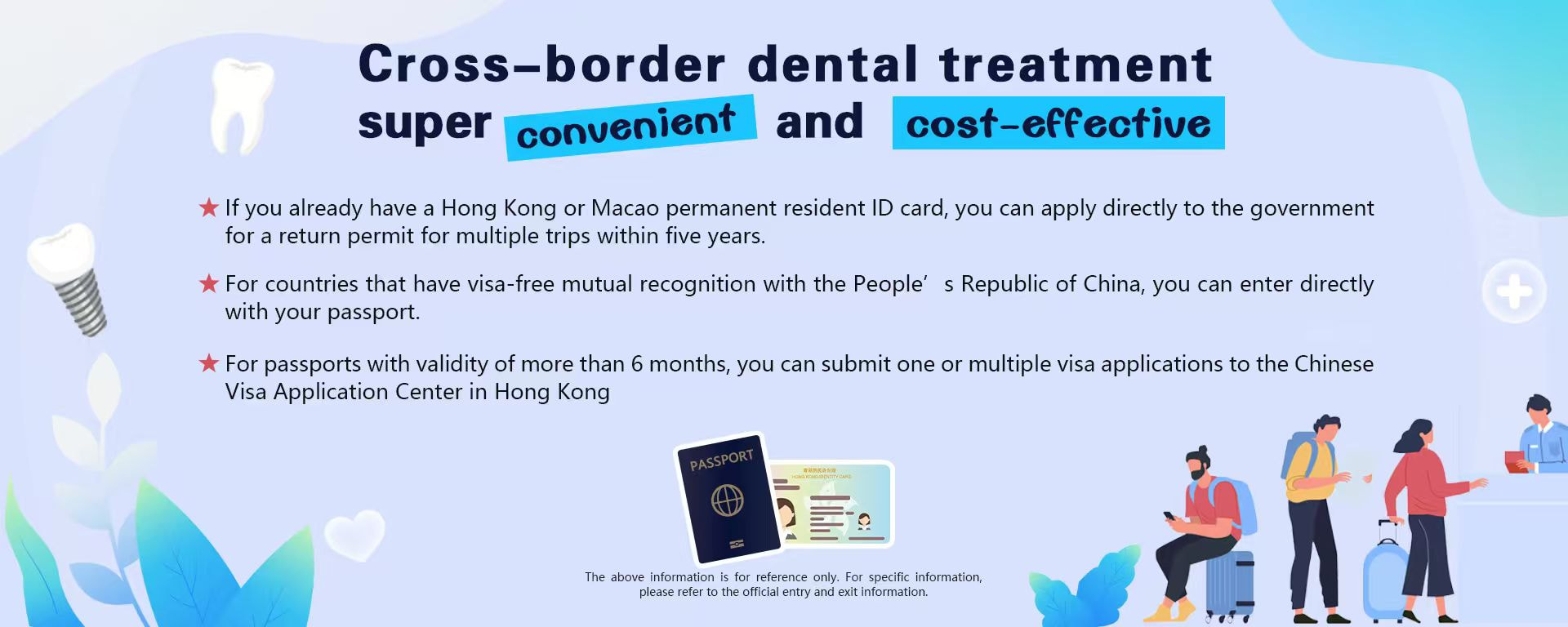
In recent years, many Hong Kong residents have opted to travel to the Chinese Mainland, particularly cities like Shenzhen, for dental treatments such as fillings. The appeal lies in the variety of choices, modern facilities, and competent techniques available. Post-filling care is a common concern among patients. A frequently asked question is, "Is rinsing with salt water beneficial?" Today, well discuss this topic in a conversational tone familiar to Hong Kong residents.
**Post-Filling Oral Care**
Dental fillings restore the shape and function of teeth, but whether resin or other materials are used, both teeth and gums undergo an adaptation period post-procedure. Dentists often advise against chewing hard foods immediately after and emphasize maintaining oral hygiene to prevent food particles from sticking to the filling, which could lead to inflammation. If anesthesia was used, be cautious of biting the inside of your cheek due to temporary numbness.
**The Principle Behind Salt Water Rinse**
In Hong Kong, its common for elders to suggest using salt water for gum inflammation due to its mild antiseptic properties and ease of preparation. The basic method involves mixing warm water with a small amount of table salt, swishing it in the mouth briefly, and then spitting it out. The osmotic pressure of salt water can help reduce bacterial growth and soothe minor gum redness.
**Is Immediate Salt Water Rinse Post-Filling Appropriate?**
Many dental professionals recommend adhering to dentist instructions during the first 24 hours post-filling. Immediately after the procedure, teeth and gums are quite sensitive, and theres no urgent need for salt water rinsing. Its more crucial to avoid irritants. If specific filling materials were used, they need time to stabilize. Once past the initial recovery phase, if theres no gum damage or significant bleeding, gently rinsing with mild salt water can aid in cleaning and maintaining oral freshness.
**How to Properly Use Salt Water for Rinsing**
Firstly, avoid adding too much salt—a cup of warm water wit
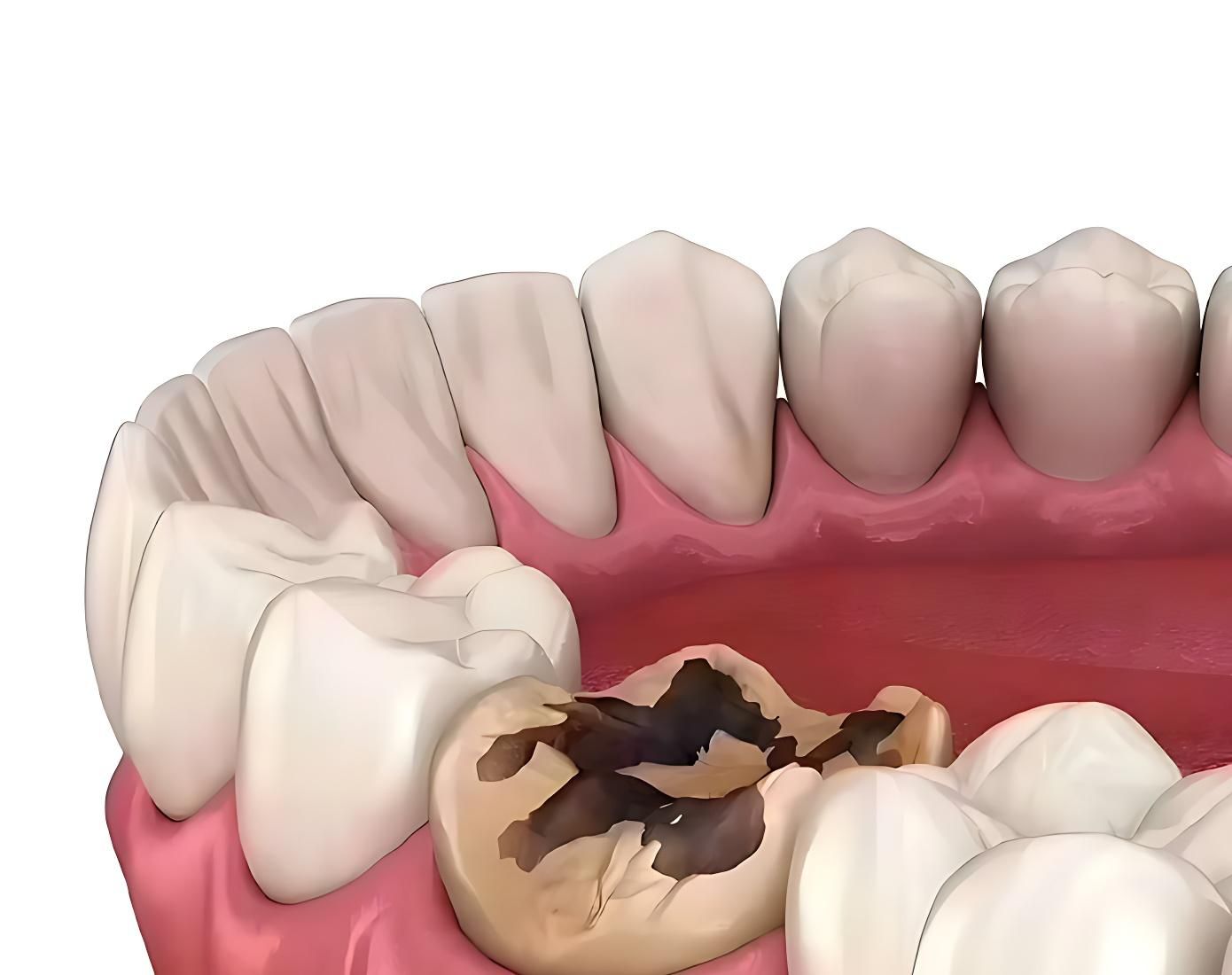 h half a teaspoon is sufficient. Ensure the temperature is warm, not boiling. Rinse gently to avoid irritating the filling or gums. Once or twice daily is adequate, ideally in the morning and after dinner, or before brushing to reduce bacterial load. Remember, this is just one of many daily care methods and cannot replace brushing and flossing.
**Post-Filling Tips for Those Visiting the Chinese Mainland**
1. **Mind Your Diet**: Consume soft, low-residue foods like steamed eggs, porridge, and noodles in the initial days. Avoid extremely hard, hot, or cold foods.
2. **Avoid Strenuous Chewing on the Filling Side**: Allow time for your teeth to adjust to their new shape.
3. **Maintain Cleanliness**: Besides salt water, regular brushing and flossing are essential.
4. **Monitor Reactions**: If persistent pain, sensitivity, or gum swelling occurs, document the situation and seek dental advice promptly.
**Why Do Hong Kong Residents Prefer Dental Visits to the Chinese Mainland?**
Apart from the variety and convenience, traveling to the Mainland has become a lifestyle choice, especially during holidays or weekends. People enjoy shopping, dining, and conveniently scheduling dental visits. However, dental quality varies by location, so its wise to seek recommendations or check reviews before choosing.
**Conclusion**
Using salt water rinse after dental fillings is not an immediate necessity; it should be based on your oral condition and dentists advice. Salt water is a simple, cost-effective daily care method that can help maintain oral hygiene but should not replace other basic cleaning practices. While dental visits to the Mainland are convenient, the responsibility for oral care ultimately lies with the individual. Regardless of where you receive treatment, its crucial to handle your dental health with care.
In summary, if youve recently had dental work done in the Mainland, theres no rush to use salt water. Follow your dentists advice first; once the wound stabilizes and feels normal, gentle salt water rinsing can provide extra oral protection. Remember, healthy teeth are key to enjoying life and delicious food with peace of mind.
h half a teaspoon is sufficient. Ensure the temperature is warm, not boiling. Rinse gently to avoid irritating the filling or gums. Once or twice daily is adequate, ideally in the morning and after dinner, or before brushing to reduce bacterial load. Remember, this is just one of many daily care methods and cannot replace brushing and flossing.
**Post-Filling Tips for Those Visiting the Chinese Mainland**
1. **Mind Your Diet**: Consume soft, low-residue foods like steamed eggs, porridge, and noodles in the initial days. Avoid extremely hard, hot, or cold foods.
2. **Avoid Strenuous Chewing on the Filling Side**: Allow time for your teeth to adjust to their new shape.
3. **Maintain Cleanliness**: Besides salt water, regular brushing and flossing are essential.
4. **Monitor Reactions**: If persistent pain, sensitivity, or gum swelling occurs, document the situation and seek dental advice promptly.
**Why Do Hong Kong Residents Prefer Dental Visits to the Chinese Mainland?**
Apart from the variety and convenience, traveling to the Mainland has become a lifestyle choice, especially during holidays or weekends. People enjoy shopping, dining, and conveniently scheduling dental visits. However, dental quality varies by location, so its wise to seek recommendations or check reviews before choosing.
**Conclusion**
Using salt water rinse after dental fillings is not an immediate necessity; it should be based on your oral condition and dentists advice. Salt water is a simple, cost-effective daily care method that can help maintain oral hygiene but should not replace other basic cleaning practices. While dental visits to the Mainland are convenient, the responsibility for oral care ultimately lies with the individual. Regardless of where you receive treatment, its crucial to handle your dental health with care.
In summary, if youve recently had dental work done in the Mainland, theres no rush to use salt water. Follow your dentists advice first; once the wound stabilizes and feels normal, gentle salt water rinsing can provide extra oral protection. Remember, healthy teeth are key to enjoying life and delicious food with peace of mind.
 **Is Using Salt Water Rinse Effective After Dental Fillings in the Chinese Mainland?**
In recent years, many Hong Kong residents have opted to travel to the Chinese Mainland, particularly cities like Shenzhen, for dental treatments such as fillings. The appeal lies in the variety of choices, modern facilities, and competent techniques available. Post-filling care is a common concern among patients. A frequently asked question is, "Is rinsing with salt water beneficial?" Today, well discuss this topic in a conversational tone familiar to Hong Kong residents.
**Post-Filling Oral Care**
Dental fillings restore the shape and function of teeth, but whether resin or other materials are used, both teeth and gums undergo an adaptation period post-procedure. Dentists often advise against chewing hard foods immediately after and emphasize maintaining oral hygiene to prevent food particles from sticking to the filling, which could lead to inflammation. If anesthesia was used, be cautious of biting the inside of your cheek due to temporary numbness.
**The Principle Behind Salt Water Rinse**
In Hong Kong, its common for elders to suggest using salt water for gum inflammation due to its mild antiseptic properties and ease of preparation. The basic method involves mixing warm water with a small amount of table salt, swishing it in the mouth briefly, and then spitting it out. The osmotic pressure of salt water can help reduce bacterial growth and soothe minor gum redness.
**Is Immediate Salt Water Rinse Post-Filling Appropriate?**
Many dental professionals recommend adhering to dentist instructions during the first 24 hours post-filling. Immediately after the procedure, teeth and gums are quite sensitive, and theres no urgent need for salt water rinsing. Its more crucial to avoid irritants. If specific filling materials were used, they need time to stabilize. Once past the initial recovery phase, if theres no gum damage or significant bleeding, gently rinsing with mild salt water can aid in cleaning and maintaining oral freshness.
**How to Properly Use Salt Water for Rinsing**
Firstly, avoid adding too much salt—a cup of warm water wit
**Is Using Salt Water Rinse Effective After Dental Fillings in the Chinese Mainland?**
In recent years, many Hong Kong residents have opted to travel to the Chinese Mainland, particularly cities like Shenzhen, for dental treatments such as fillings. The appeal lies in the variety of choices, modern facilities, and competent techniques available. Post-filling care is a common concern among patients. A frequently asked question is, "Is rinsing with salt water beneficial?" Today, well discuss this topic in a conversational tone familiar to Hong Kong residents.
**Post-Filling Oral Care**
Dental fillings restore the shape and function of teeth, but whether resin or other materials are used, both teeth and gums undergo an adaptation period post-procedure. Dentists often advise against chewing hard foods immediately after and emphasize maintaining oral hygiene to prevent food particles from sticking to the filling, which could lead to inflammation. If anesthesia was used, be cautious of biting the inside of your cheek due to temporary numbness.
**The Principle Behind Salt Water Rinse**
In Hong Kong, its common for elders to suggest using salt water for gum inflammation due to its mild antiseptic properties and ease of preparation. The basic method involves mixing warm water with a small amount of table salt, swishing it in the mouth briefly, and then spitting it out. The osmotic pressure of salt water can help reduce bacterial growth and soothe minor gum redness.
**Is Immediate Salt Water Rinse Post-Filling Appropriate?**
Many dental professionals recommend adhering to dentist instructions during the first 24 hours post-filling. Immediately after the procedure, teeth and gums are quite sensitive, and theres no urgent need for salt water rinsing. Its more crucial to avoid irritants. If specific filling materials were used, they need time to stabilize. Once past the initial recovery phase, if theres no gum damage or significant bleeding, gently rinsing with mild salt water can aid in cleaning and maintaining oral freshness.
**How to Properly Use Salt Water for Rinsing**
Firstly, avoid adding too much salt—a cup of warm water wit
Vickong Dental
Vickong Dental is a large medical group established in Hong Kong in 2008 by professors from well-known medical universities in Guangdong and Hong Kong, as well as medical doctors from key national '985' universities (including Master's supervisors and senior professors). The chain of branches brings together expert dentists with PhDs and Master's degrees from Hong Kong and Mainland China, committed to providing high-quality dental treatment.
"Vickong Dental Practices the University Motto of 'Healing and Serving Society,' with a Stable Operation for Sixteen Years. It Has Been honored with Hong Kong Enterprise Leaders's Choice,' and is a Global Trusted Implant Center for the Nobel Implant System. Recommended by Hong Kong Metro Broadcast and Guangdong Television, it Serves Customers from Over Thirty Countries and Regions, Gaining the Trust and Favor of Citizens from the Guangdong-Hong Kong-Macau Greater Bay Area and Surrounding Cities.


Thousands of customers' unanimous praise
The most recognized and highly recommended dental service by customers in the Guangdong-Hong Kong-Macau Greater Bay Area









We Ensure You Receive Detailed Care and Attention Here
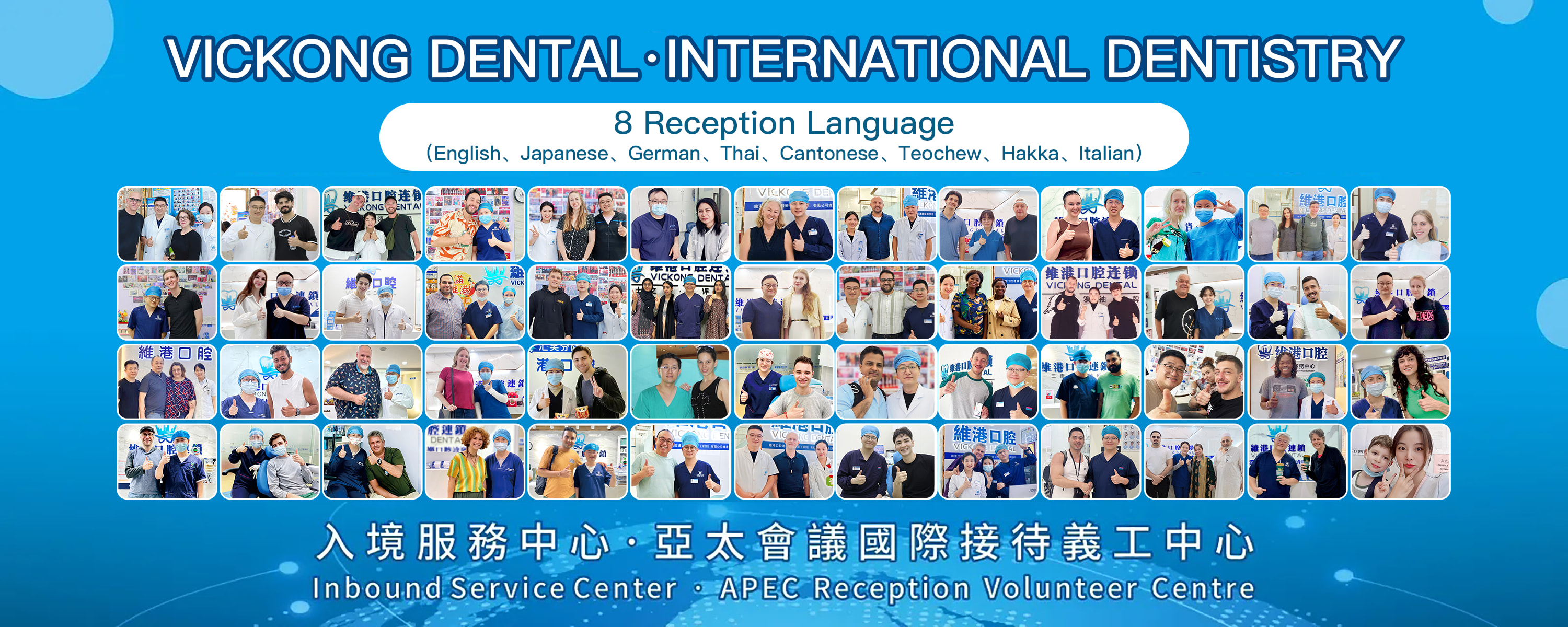
Hong Kong standards, Shenzhen prices, Your Trusted English-speaking dentists

Vickong Dental Medical-Grade Instrument Disinfection Process

Vickong Dental Medical-Grade Instrument Disinfection Process

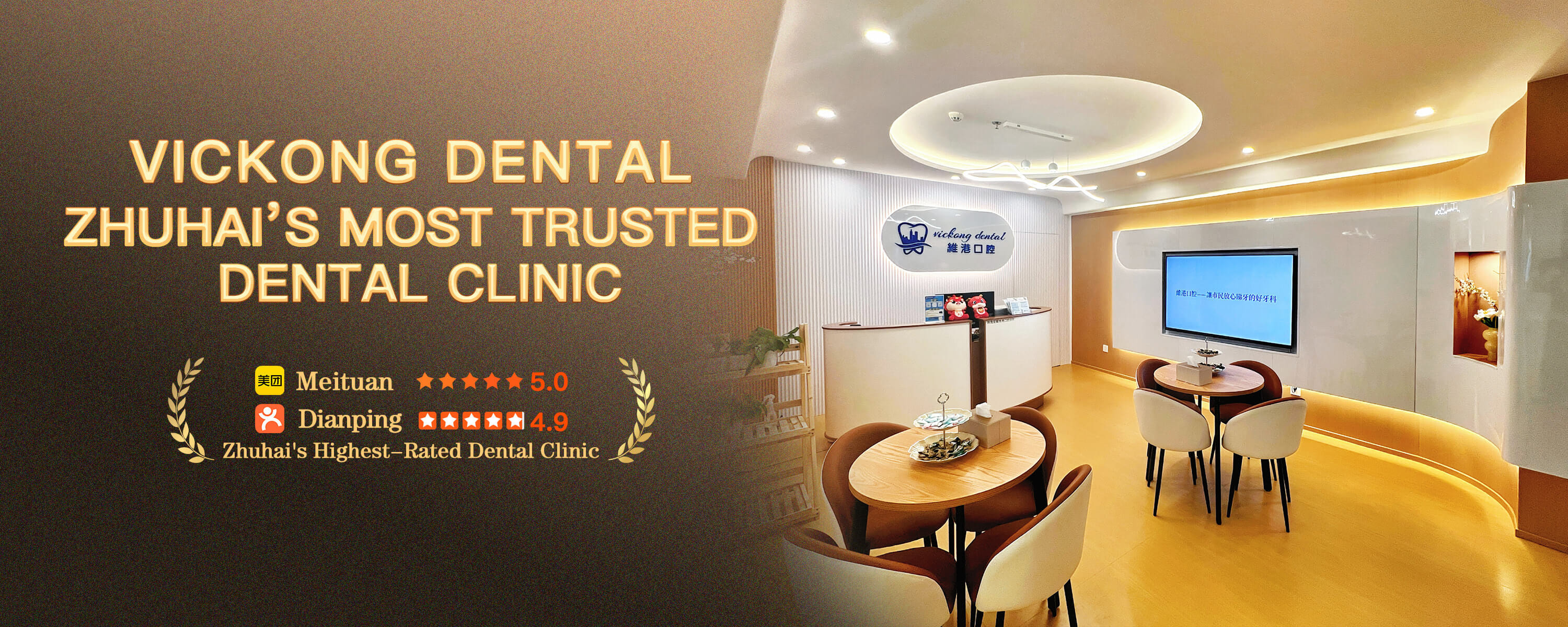
Vickong Dental Chain: A Warm and Comfortable Environment for Treatment


Appointment Hours


Q&A
Why choose Vickong Dental?

Vickong Dental practices the university motto 「Medicine to Benefit Society」, with each branch bringing together highly qualified dentists with doctoral and master’s degrees from Hong Kong and the Mainland, and has maintained seventeen years of steady operation。Recipient of 「2024 Hong Kong Enterprise Leaders Brand」, 「2025 Hong Kong Enterprise Leaders Brand」, a Nobel Biocare Global Trusted Implant Center, and a brand recommended by Metro Radio Hong Kong and Guangdong TV。
To date, we have served customers from more than thirty countries and regions,earning exceptionally high word-of-mouth recognition and trusted recommendations from residents across the Guangdong-Hong Kong-Macao Greater Bay Area and surrounding cities
We have eight major branches in Zhuhai、Shenzhen,and a consultation and service assurance center in Hong Kong,so you can book a free consultation at any time for any questions,which is very reassuring.
If I do not accept the quotation after the CT scan, will I be charged??
No! As long as the actual treatment has not started, you will not be charged any fees.
Will there be any additional charges during the treatment process?
No, there won’t be any additional charges. Before treatment begins, we will clearly explain the treatment plan and its corresponding fees. Only after the patient agrees and signs the consent form will we proceed with the dental service.
Can I pay in Hong Kong dollars?
Yes. Vickong Dental accepts payment in Hong Kong dollars. The amount will be converted based on the exchange rate of the day, and the applicable rate will be clearly communicated to you in advance.
Can I reschedule my appointment at any time?
Yes. Please contact us via **WeChat** or **WhatsApp** as early as possible, providing your original appointment time and details, along with your preferred new date and time slot for rescheduling.