








**Can Using a Water Flosser Dislodge Dental Fillings After Treatment in the Chinese Mainland?**
In recent years, many Hong Kong residents have chosen to travel to the Chinese Mainland for dental treatments such as cleanings, fillings, and even implants. This trend is largely due to the convenience of transportation, ease of appointment scheduling, and a wider selection of clinics. After receiving dental fillings in the Mainland and returning to Hong Kong, many individuals continue to use their regular oral care tools like electric toothbrushes and water flossers. However, there is concern among some that using a water flosser might loosen or even dislodge dental fillings. Today, we will delve into this topic using accessible Hong Kong Cantonese to provide a detailed analysis.
**Changes in Tooth Structure After Fillings**
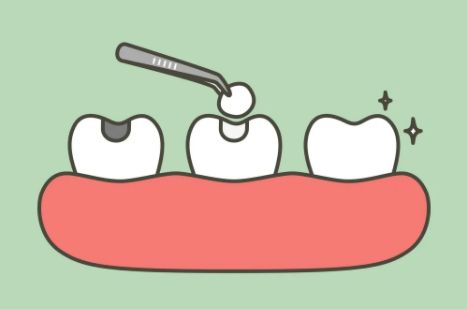
Dental fillings involve the removal of decayed or damaged tooth material, followed by the application of dental materials to restore the tooths shape. Common materials used in fillings include composite resin, glass ionomer, and certain metal alloys. Once these materials harden, they generally bond well with the existing tooth structure, creating a relatively durable composition.
However, the hardness, wear resistance, and water pressure tolerance of these materials can vary. Additionally, teeth with fillings are not identical to natural teeth; certain areas may be more prone to accumulating food debris or plaque.
**Function and Principle of Water Flossers**
Water flossers utilize high-pressure water jets or a combination of air and water to remove food particles and soft plaque from between teeth or on tooth surfaces. They are particularly useful for individuals with braces, implants, or larger gaps between teeth, as they can clean areas that toothbrushes might struggle to reach.
The pressure of the water can typically be adjusted, ranging from gentle to more robust settings. Under normal usage conditions, water flossers primarily remove soft surface debris and do not affect solid dental restorations.
**Can Water Flossers Dislodge Filling Materials?**
In theory, once filling materials have fully hardened and bonded, the water flow from a standard water flosser should not dislodge them. Dental resins and other materials undergo specific light curing or chemical reactions to adhere tightly to the tooth surface. The force exerted by everyday cleaning is insufficient to cause detachment.
However, attention should be paid to the following situations:
1. **Incomplete Hardening of Filling Material**
If the filling was just com
pleted and hasnt had adequate time to set (especially certain temporary filling materials), it is advisable to avoid direct impact from strong water flow to prevent compromising the restoration.
2. **Insufficient Sealing or Wear at Filling Edges**
Over time, some fillings might develop fine cracks or chips at the edges. High-pressure water flow could aggravate these areas, leading to tooth sensitivity or accelerated material loss.
3. **Weak Tooth Structure**
If the tooth was severely decayed before the filling, leaving behind weak tooth material, even after restoration, the overall strength may be lower than that of a healthy tooth. Caution is advised when exposed to strong water pressure and vibrations.
**Tips for Safe Water Flosser Use**
- **Adjust Water Pressure**: Start with a lower pressure setting and gradually adjust as needed.
- **Avoid Direct Impact on Filling Sites**: Especially in the first few days after a filling, focus on cleaning around the gaps rather than directly targeting the newly filled area.
- **Maintain Good Brushing Habits**: Remember that water flossers are supplementary tools and should not replace brushing and flossing.
- **Regular Dental Check-ups**: Schedule at least one annual check-up post-filling to ensure the integrity of the restoration and detect any secondary decay.
**Lifestyle Adjustments After Dental Treatment in the Mainland**
Receiving a dental filling is not a permanent fix. After treatment in the Mainland and returning to Hong Kong, maintaining good dietary and oral care habits is crucial. Try to avoid overly hard or sticky foods like hard candies and beef jerky to minimize stress on the filled area. Clean your teeth promptly after meals, using the water flosser as a helpful tool while ensuring safe and moderate usage.
Additionally, dental materials and techniques may vary slightly between different regions. If you receive dental care in both Hong Kong and Shenzhen, keep a detailed record of your treatments to provide any dentist with sufficient information to assess your dental health accurately.
**Conclusion**
Under normal circumstances, using a water flosser after receiving dental fillings in the Mainland should not dislodge well-bonded filling materials. However, if the filling is newly completed, the edges are compromised, or the tooth structure is weak, exercise caution to avoid direct impact from high-pressure water flow. Whether receiving dental care in Hong Kong or the Mainland, regular check-ups and maintaining good oral hygiene practices are essential for long-lasting dental health.
















